
SEO – Search Engine Optimization Introduction to SEO SEO – Search Engine Optimisation, SEO is nothing but a relationship between Mother & Child. Every time a child asks something they do not know; the mother will search and get it exactly what a child is seeking. In the same way, users search for the information by adding keywords in the Search engine, the crawlers (Web Spiders) will crawl through every website which is present on internet & show you the best relevant result possible. The Mother is Crawler & the child is User, the process of getting the relevant results on what the user is looking for is called the Search Engine Optimisation. People who are conscious about getting their website/blogs more traffic & visibility will be familiar with SEO. But to achieve the goal on SERP (Search Engine Result Page) ranking, one has to learn the insights of the organic method’s in SEO & should know that it is not one-day strategy where you can get your website on top of Google SERP. The SEO is one of a kind where the basic practices should not end, even though your site ranks on the first page of Google SERP. That is how you keep your site/blog on top by doing the basic practices of SEO regularly. You might be wondering what will be the basic practices & how to rank on the first page of Google SERP, to implement your ideas one has to go through the article completely & understands it. Before getting into the implementation of your ideologies, you need to understand the two types of SEO. On – Page SEOOff – Page SEO On – Page SEO As the name itself indicates the strategies of SEO will be within your websites/blogs Are you stuck in understanding SEO or you stuck validating your ideas? This article is the perfect solution for every person who is struggling to get started on SEO. The basic factors of On page SEO are as follows; Title Tag The title tag tells google bots what the page is about and that the page on your website is relevant for that keyword or keyword phrase. Title tags should be very unique for each page. In search engine result page, search engines will highlight your keyword phrases if a user has searched for those terms. This increases visibility and click-through rate. Your title tag should be written like this: Primary Keyword – Secondary Keyword | Brand Name Use a dash in between your keyword phrases and a pipe at the end before your brand name Meta Description Meta descriptions, while not as important in search engine rankings, are extremely important in getting users to click through from the search engine results page (SERP) to your website. Meta descriptions should use keywords wisely, but more importantly they should include a compelling description on which a user would want to click on. More like title tags, the result page will highlight keywords that the user searched for, increasing the chances of the user clicking through to your website. Write compelling meta descriptions 150 to 160 characters would be the perfect length Avoid duplicate meta descriptions Do not use quotes or any non-alpha characters (Google, cuts them out of the meta description) Header Tag A H1 tag, also known as a header tag, is much like the subject line of your website page. You should always use your keyword phrase once in the Header1 tag. This should be included on a page to which you are trying to drive unique traffic to the website. You can also use Header 2 tags if there are multiple sections in the web page. Best Practices to use headers while doing search engine optimisation Use your keyword phrase once in your Header 1(H1) tag Use Header 1(H1) tags on pages you are trying to drive unique traffic to website page Use Header 2(H2) tags if there are multiple sections Internal Links Internal linking refers to a URL on a page that points to another page on the same website domain. Internal linking is very important because it helps strengthen those keywords internally for those pages and website, it allows users (and search engine robots) to navigate through the website, and it tells the search engines that the page is relevant for that keywords used in that page. Internal linking is important for three reasons, strengthening three parts of website funnel. Internal links pass authority from one page to another (search optimization)Internal links guide visitors to high-converting pages, high-value(usability)Internal links prompt visitors to act as calls to action (conversion optimization) Best practices: When linking to another web page on the same site from within content or images, select good anchor text keywords to use in the actual link and do this often. For example: “We offer a wide range of products,” rather than “Click here for our products.” Alt Image Tag An alt tag is basically the name of an particular image. All images should use appropriate and relevant alt tags because Search bots cannot read the image formats like JPEG, PNG. Not only are alt tags good for search engines; they are also good for readability of other AI’s. If someone is using a screen reader, they will be able to hear and get to know about what that image is. You should try to include your keyword in the name of your image using Alt text, if possible, but don’t repeat the keyword. Image filenames should also be SEO friendly. Image search is much more widely used than believed, so traffic from there is also valuable asset.
What is a backlink and how to build?
What is a Backlink and How to Build One Many people do not understand what is a backlink. The World Wide Web is an enormous place where millions of new pages are added every day. If you are one of the many adding contents on the internet, you have to find a way to stand out. After all, to generate an audience base and followers, your content needs to be accessible and visible. So how can one go about it? One of the techniques that you can use to get more eyeballs is by creating ‘backlinks’. What is a Backlink? Before going into the explanation of backlinks, let’s understand how the concept came into existence. One can find numerous web pages and directories online. Most webpages try to establish a connection with other pages in order to draw audience traffic. In other words, different pages ‘converse’ with each other in order to draw the attention of the audience. This happens when one website provides a link to another website. Hope you understood what is a backlink. Consider this example: A fashion brand XYZ has uploaded an article about fashion trends for Summer 2020. In the article, one will find a lot of information on the kind of apparels that trend during the season. Now, you have a website where you write articles on the latest trends of fashion and recently, you wrote a blog on what colours remain trendy during the summer season. In short, your article is an extension of XYZ’s article. If such is the case, the article on XYZ’s website can provide a link to your blog, suggesting its audiences to head over to your article to know more about trending colours during the summer season. In this scenario, you have a backlink from XYZ’s website. Why are Backlinks Important? As explained above, backlinks help direct traffic to your website from other websites. If you have a backlink from another website, audiences find it easier to discover your webpage and read your content. This means that websites can direct audiences to other websites where they can find more information. In a way, backlinking is a way for websites to recommend other websites. And this is extremely important for visibility. Based on the number and quality of backlinks, Google and other search engines decide whether your page should be shown to other people. This means that higher the backlinks and better the quality, greater the chances for your webpage to rank higher on ‘Search Engine Result Page’ or SERPs. So How Do You Generate Backlinks? Here’s the thing about backlinks. They only work to your advantage if they come from a website with good ‘Domain Authority’. This means that you have to carefully choose the backlinks that connect your website. Some of the ways of getting good backlinks are: Creating Great Content: Any content that you create should add value, remain useful and relevant. Only then other websites will be willing to provide a backlink to your page. Infographics, listicles, video-embedded blogs etc. have a higher chance of getting good quality backlinks Building Backlinks: Reach out to website owners with a proposition of linking your pages to theirs. You can also participate in forums and by leaving a comment, replying to comments, you can create a backlink to your page. Find pages relevant to your field and create content that contributes additional value and information and then ask those pages to provide a link of your page. Fixing Broken Links: There are several broken links on the website (Error: 404 Not found!). You can fix the links and then ask the webpages to connect to your link instead of the broken links. There are several other techniques to get great backlinks for your website. We shall discuss this in more detail in the next article.

An entrepreneur is one who conceives and executes a unique business idea
The article was published in the weekend leader.com on july 7, 2014

Align your product with the business model of the customer
The article was published in First few customer.com on December 4, 2014

Bus ticketing site TicketGoose.com offers travel insurance
The Article was published in Travel Biz monitor.com on November 07, 2013
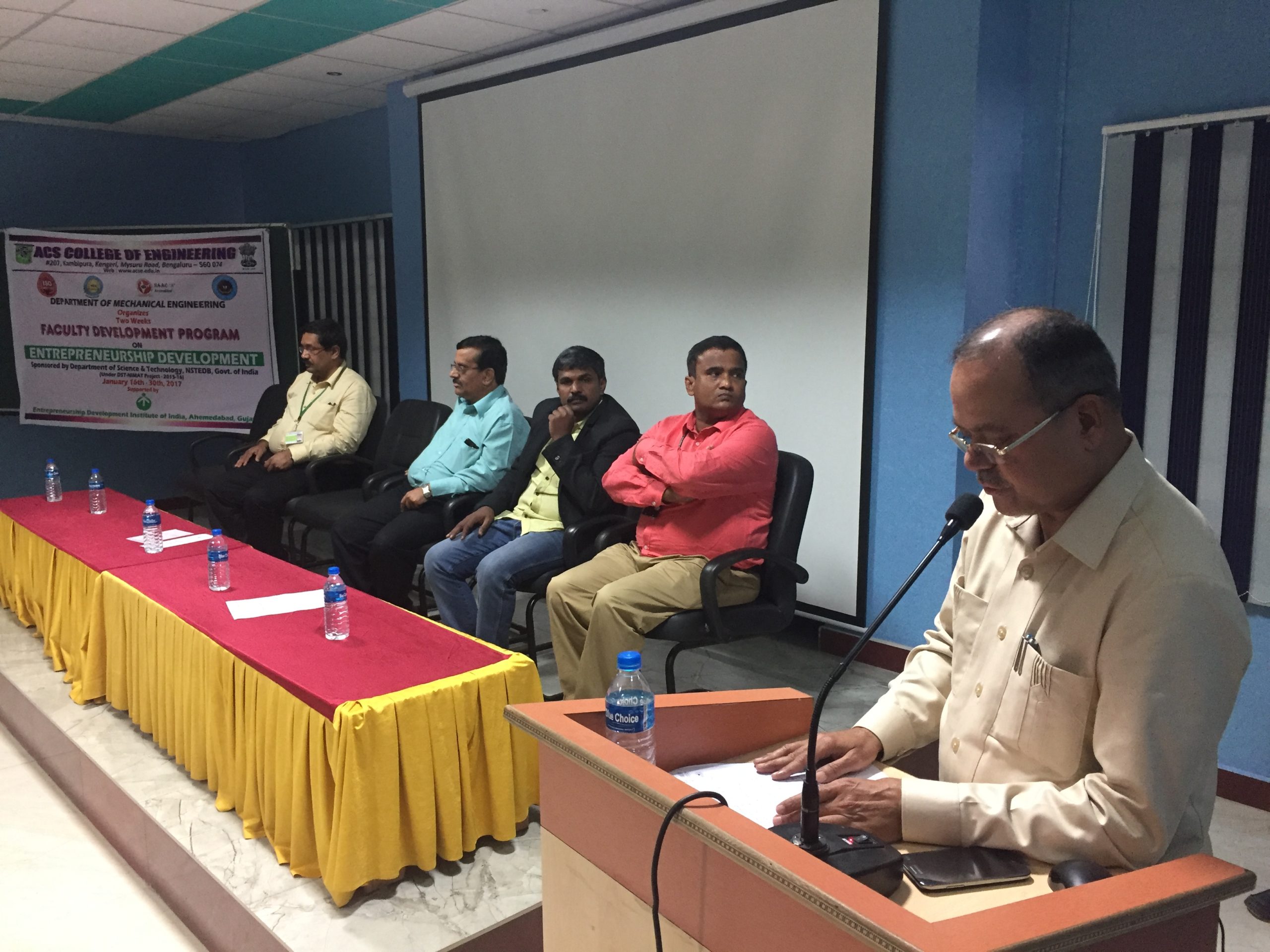
Digital Marketing and Entrepreneurship
A talk on Being Digital Marketing and Entrepreneurship at ACS College Of Engineering, Bangalore on November 14, 2016 by our CEO, Karthi Easwaramoorthy
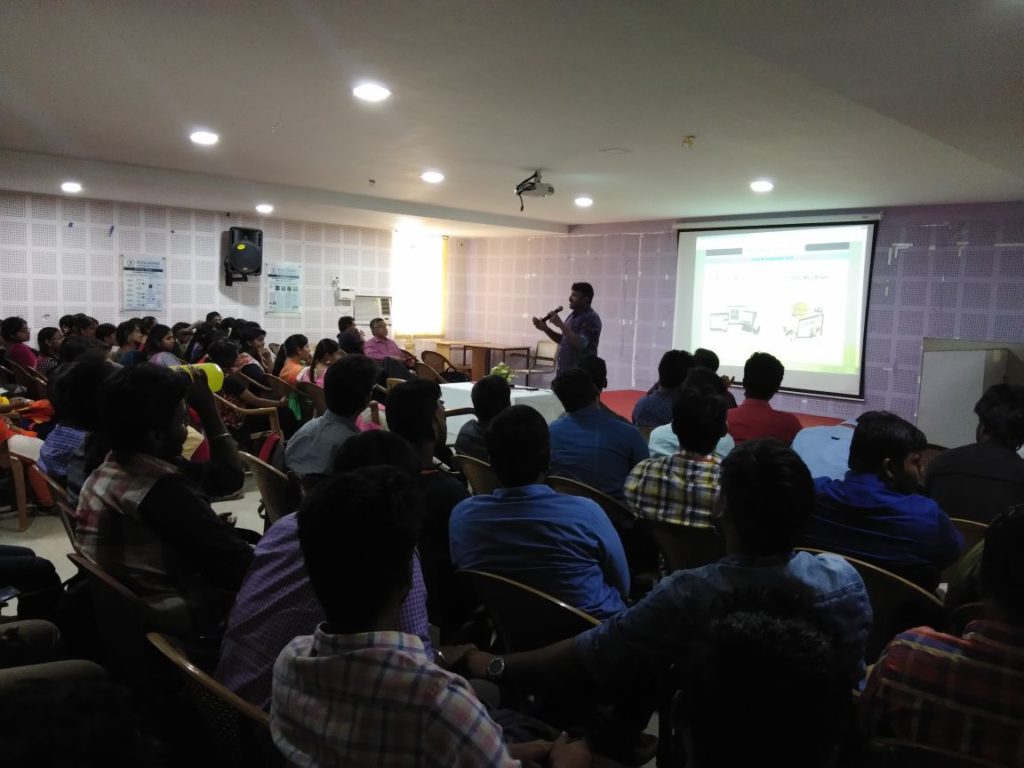
Deep dive on Entreprenure
A talk on Deep dive on Entreprenure at Eswar College of Engineering, Coimbatore on February 13, 2018 by our CEO, Karthi Easwaramoorthy
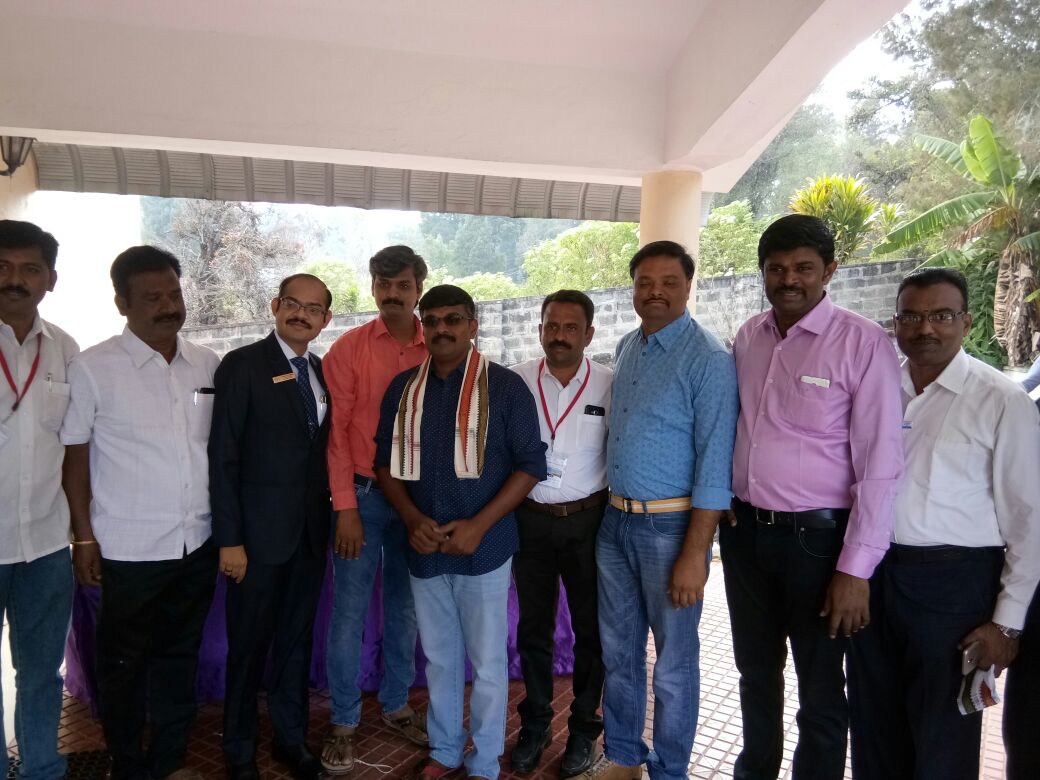
Effective Leadership
A Workshop on Effective Leadership at JCI zonal, Kodaikanal on Febuary 15, 20198by our CEO, Karthi Easwaramoorthy
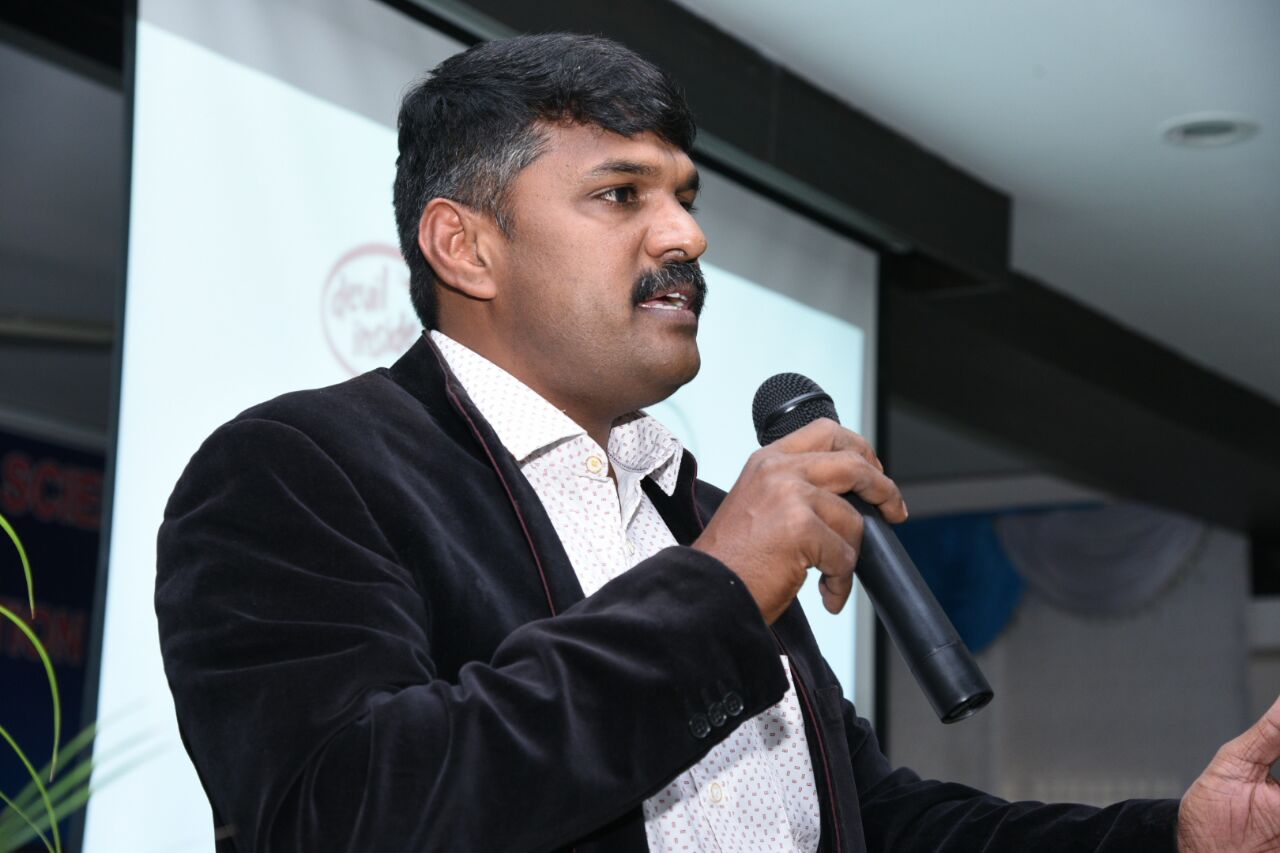
Be an Entrepreneur
A Workshop on Be an Entreprenure at YPgp College Of Engineering And Technology, Namakal on November 01, 2014 by our CEO, Karthi Easwaramoorthy
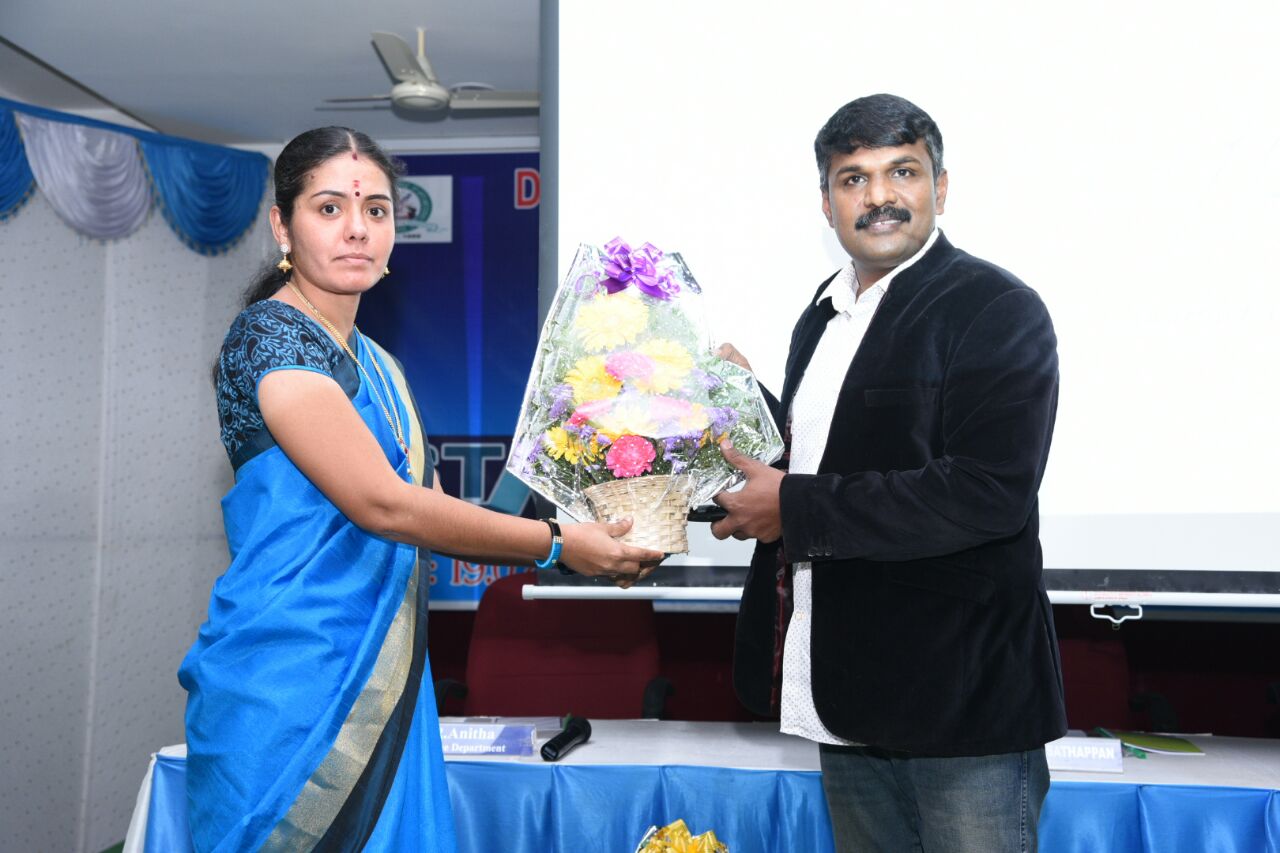
Entreprenure Development program and workshop
A Workshop on EEntreprenure Development program and workshop at PSG Institute of Management, coimbatore on December 11, 2014 by our CEO, Karthi Easwaramoorthy