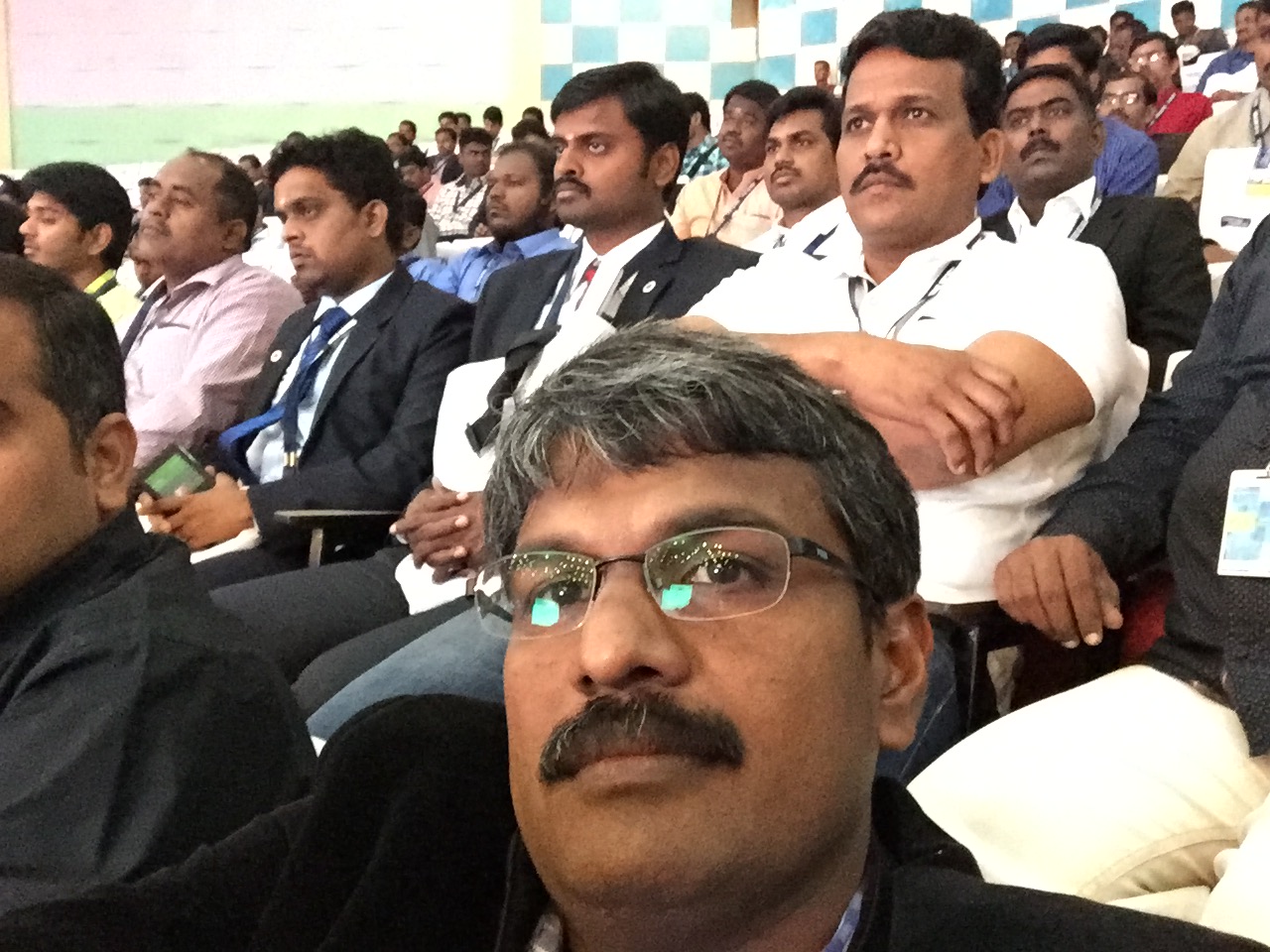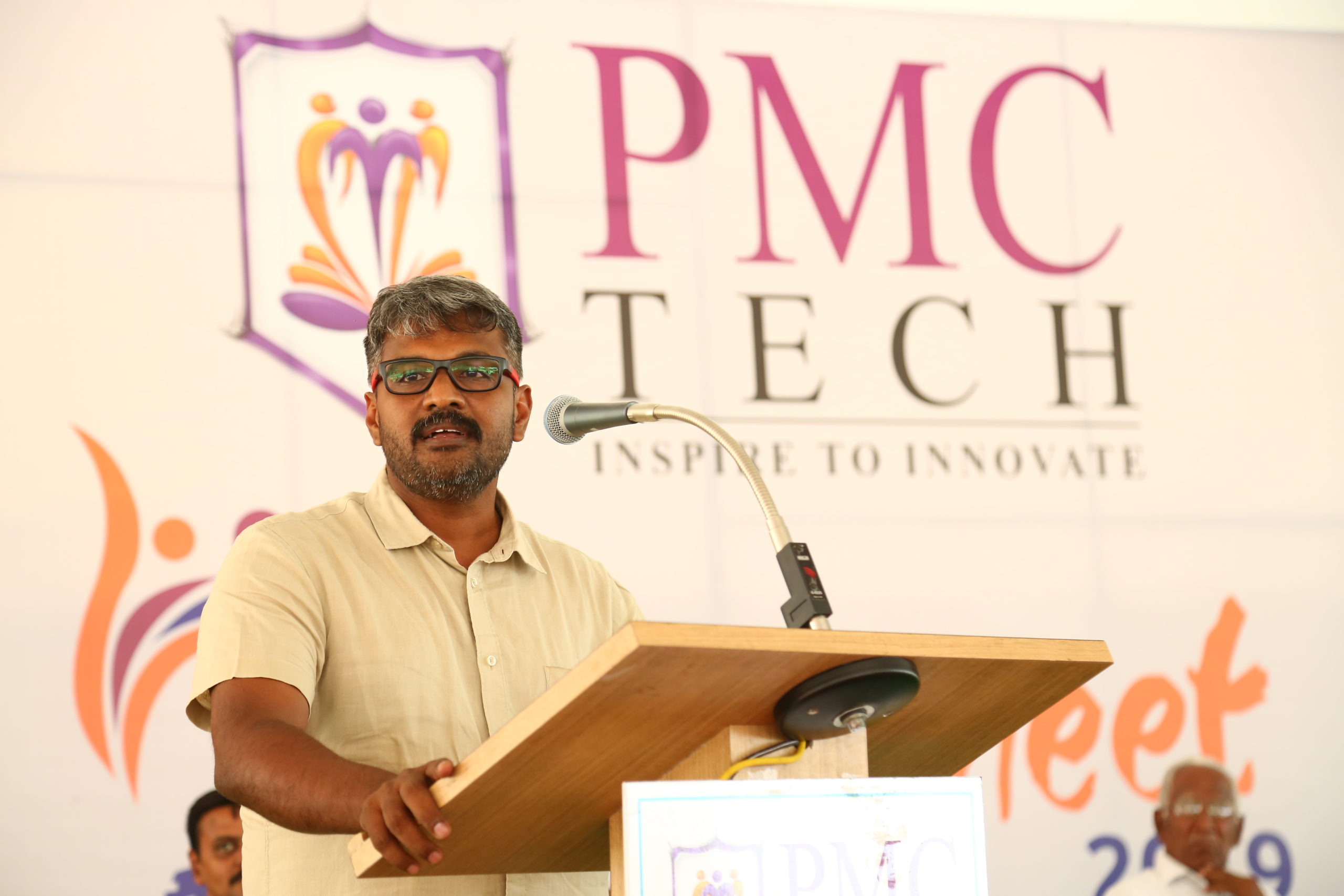
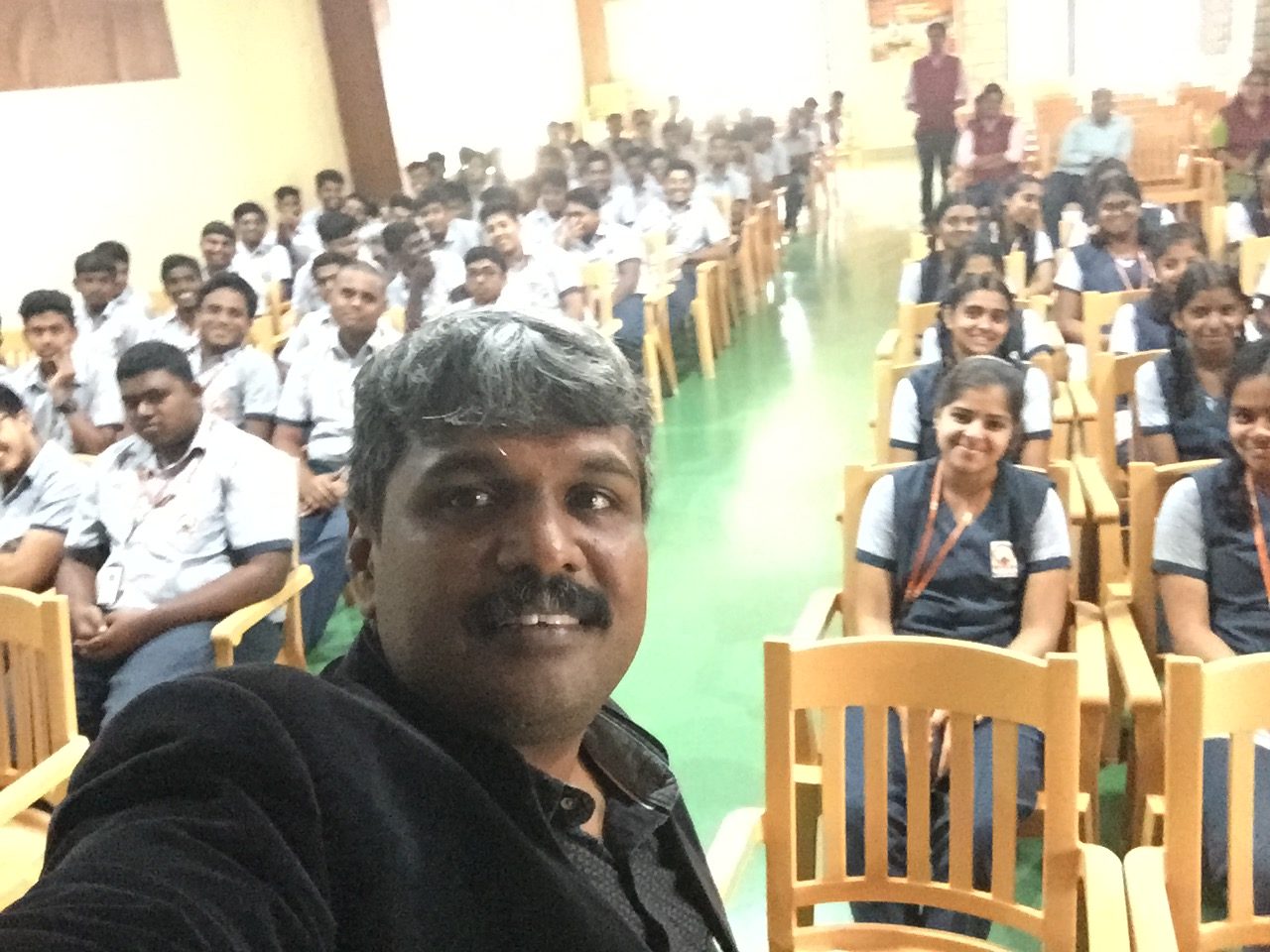
A Workshop on Entreprenure Development at MMS School, Hosur on December 11, 2018 by our CEO, Karthi Easwaramoorthy
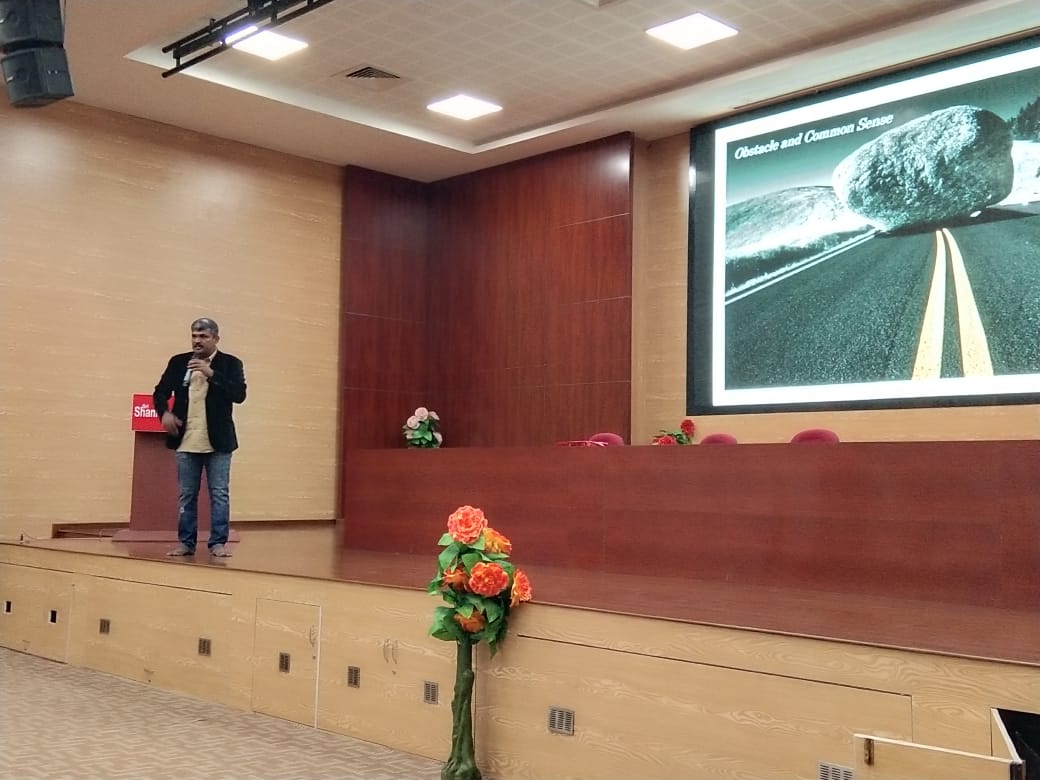
Develop yourself to be an Entreprenure
A talk on Develop yourself to be an Entreprenure at Shanmuga Engineering College, Sankagiri on 24th December 2018 by our CEO Karthi Easwaramoorthy
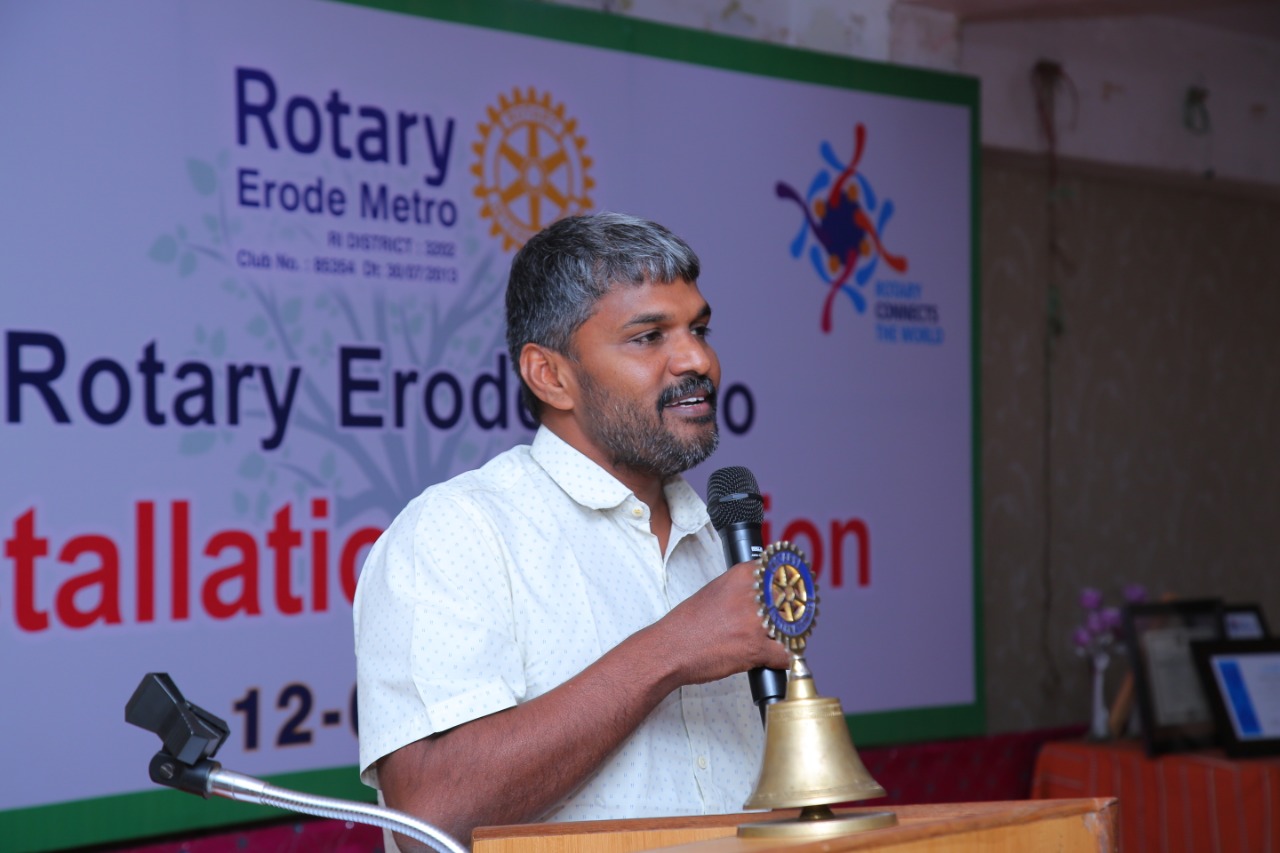
Always have heart to Give Back
A talk on social cause and the importance of giving back to society at Rotary Club, Erode on 13th july 2019 by our CEO Karthi Easwaramoorthy
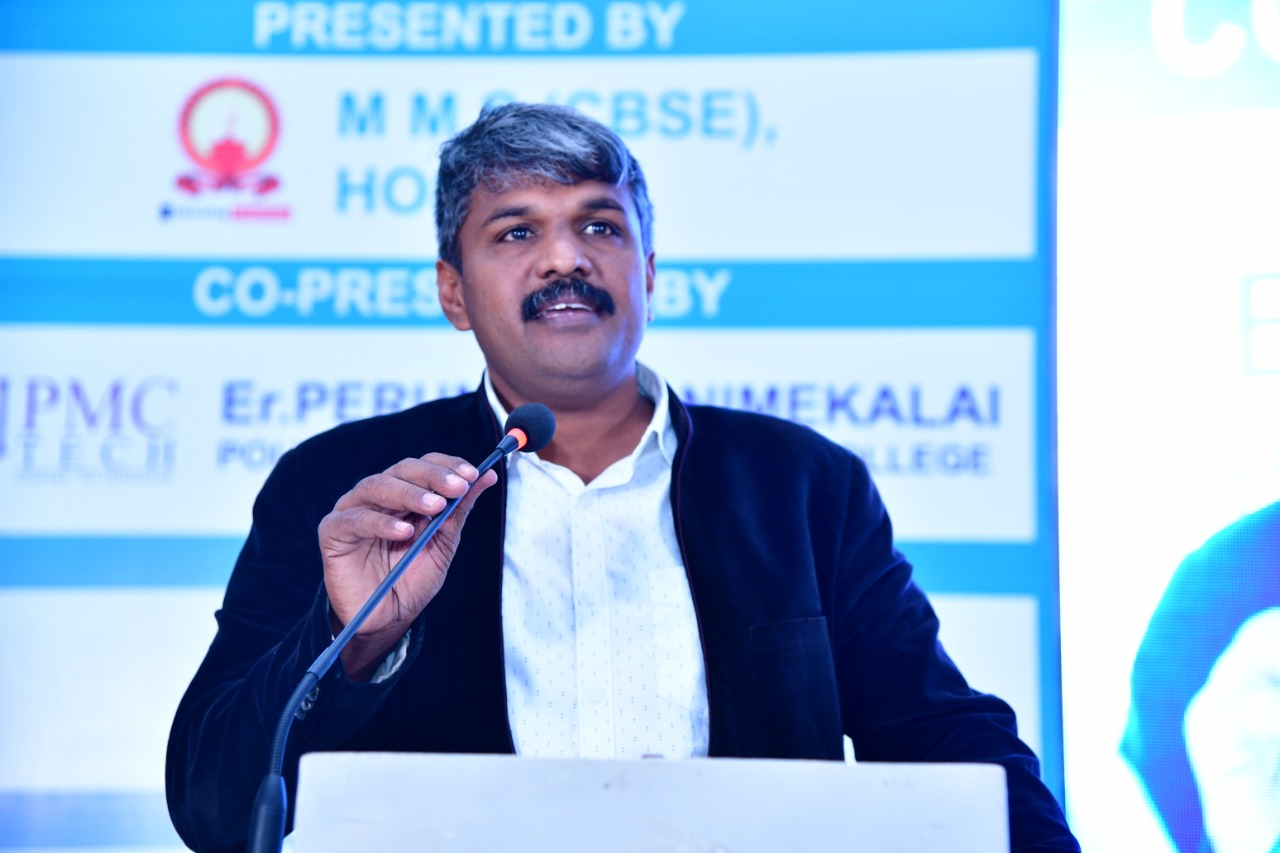
Entrepreneurial Marketing
A talk on Entreprenurial Marketing at Er. Perumal Manimekalai College of Engineering, Hosur on May 12, 2019 by our CEO, Karthi Easwaramoorthy
Artificial Intelligence, Machine Learning, Deep Learning
A talk onArtificial Intelligence, Machine Learning, Deep Learning at Park Engineering college, Coimbatore on 20th July 2014 by our CEO, Karthi Easwaramoorthy
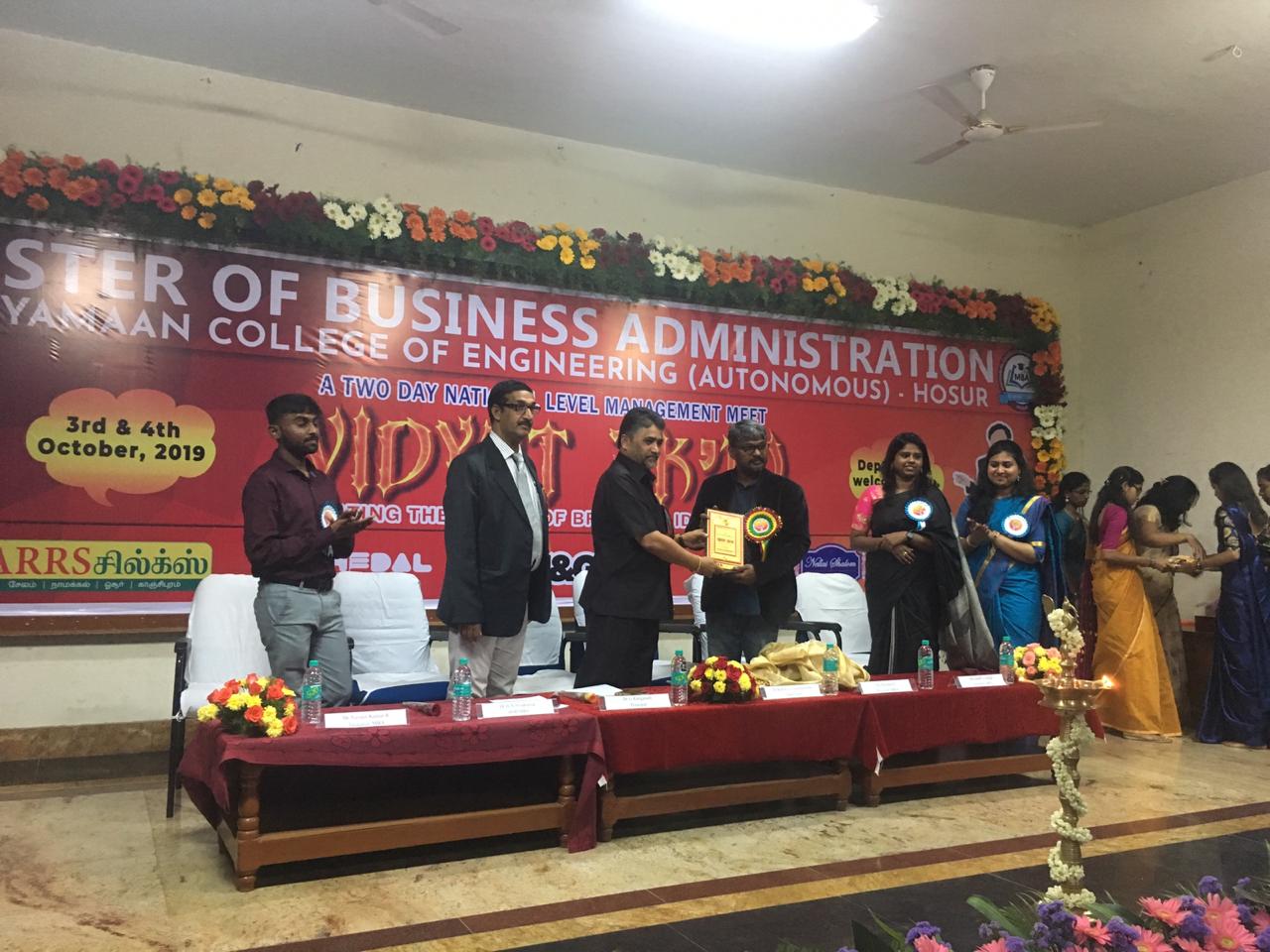
Entrepreneurship
A talk on Entreprenurship at Adhiyaman College of Engineering, Hosur on October 03, 2019 by our CEO, Karthi Easwaramoorthy
Being Entrepreneur
A talk on Being Entreprenure at StartupGrind Event, Rajeev Gandhi Engineering College, Pondichery on January 04, 2019 by our CEO, Karthi Easwaramoorthy
Entrepreneurship development
A Workshop on Entreprenure Development at Loyola College, chennai on February 12, 2019 by our CEO, Karthi Easwaramoorthy
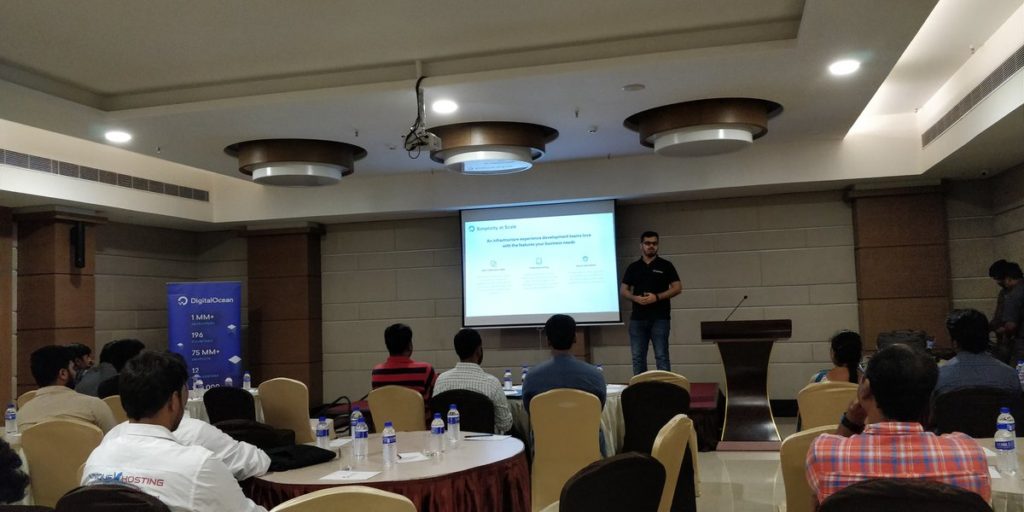
Transform to Digital
A talk on Transform to digital at DIGITALL, Madurai on October 13, 2018 by our CEO, Karthi Easwaramoorthy
6 simple steps to do on-page optimisation
On-Page optimisation or On-Page SEO On-page optimisation in plain terms is nothing but page and content optimisation. On-Page optimisation for a page is necessary as it takes care of two main factors. One is to enhance a website’s search engine rankings, so that would gain organic traffic. Besides producing engaging and relevant content, other factors in On-Page SEO are optimising headlines, HTML tags, and images. Google Google has its own set of algorithms which identifies what people are searching for. It also checks whether websites are meeting the user needs in the form of content, information, navigation, etc. Google uses a structure called E-A-T, meaning Expertise, Authoritativeness, and Trustworthiness to rate the websites. It is a major factor playing a role in organic search results. Verify the below simple 6 steps are done to have right on-page optimisation done. 1. Title Tag Title tags are HTML tags that exist at the head section of each webpage. It is very significant, as it tells people what information is present on a webpage. It is a clickable link and it should follow a format. It should contain the appropriate primary keyword and a secondary or long-tail keyword. The number of characters is also important as 55-60 characters are ideal. 2. Meta Description Meta descriptions are the description of the page, which tells what the page is about. They are displayed under the title of the page in SERP’s (Search Engine Results Page). Meta descriptions prove helpful in increasing CTR’s (Click Through Rates) as it gives a glance at what content is there on a website. Meta description characters are essential, and an ideal meta description has 150-160 characters. 3. Headlines Giving headlines for a blog post may seem simple, but it makes a difference. Giving the right headline with keywords make people click on it. It entertains them to read your whole blog. Header Tags They are the HTML tags used to identify the headings and subheadings in your content. They differentiate the headings and subheadings from the paragraphs. They are essential as they make the content easier to read for the audience. 4. Image Optimisation Image on-page optimisation is compressing the images, as websites with large image files take time to load. Image alt text is another factor in on-page optimisation. This is to describe images so that search engines will find it easier to understand. It also aids in the image to show up on google image search. 5. Inbound Linking This is an internal linking process within the website. Inbound linking is linking to another blog post or some other webpage within one website. This is to help the visitors understand any content better and aid site navigation. Inbound linking is one of the ranking factors for on-page optimisation. 6. Outbound Linking Outbound links are providing relevant links to some other website from a parent website is essential while doing on-page optimisation. It is to give credit to other good content and also helping the audience with more information. This, in turn, helps link exchange in the future. Including a no-follow link and domain authority of the linking page matters a lot here. Other factors like engaging the users, keyword placing, Content Audit, providing high-quality content without keyword stuffing, having a good readability score, and not involving black hat techniques are very essential for the whole On-Page optimisation to work.