
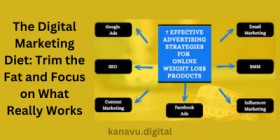
In today’s fast-paced digital landscape, digital marketing strategies can easily become bloated and inefficient. With new tools, platforms, and techniques emerging every day, it’s easy to fall into the trap of doing everything. But just like any good diet, digital marketing success comes down to trimming the fat and focusing on what truly delivers results. Here’s how you can slim down your digital marketing efforts and get the most bang for your buck. 1. Eliminate the Overload of Unnecessary Channels When it comes to digital marketing, it’s tempting to try every new platform or trend that pops up. But just because something is trending doesn’t mean it’s the right fit for your business. Instead of spreading yourself thin across multiple social media platforms, email campaigns, and ad channels, take a step back and evaluate your audience. Focus on the channels where your target customers are most active and where you can generate the highest ROI. Key Tip: Use analytics tools to track where your audience is engaging with your content the most and cut down on platforms that aren’t delivering results. 2. Streamline Your Content Strategy Content is the king of digital marketing—but only if it’s the right kind of content. Many businesses create content in bulk without really thinking about whether it’s aligned with their audience’s needs. Instead of cranking out blog posts, social media updates, or videos just for the sake of it, focus on producing high-quality content that truly serves your audience. Focus on Value Over Quantity: Regular, high-value content will keep your audience engaged and coming back for more, while random, low-quality posts can harm your brand’s credibility. Prioritize blog posts, videos, and infographics that address pain points, answer questions, and solve problems. 3. Focus on High-Converting Marketing Tactics One of the most common mistakes in digital marketing is spreading yourself too thin with different tactics—SEO, paid ads, social media campaigns, email newsletters, etc. While each tactic has its place, focusing on the ones that convert is what really matters. SEO + Paid Ads = Your Power Duo: Search Engine Optimization (SEO) and paid ads are often the most effective ways to drive traffic and generate leads. By focusing on keyword-rich content, optimizing your site for search engines, and running targeted paid ad campaigns, you’ll attract a steady stream of potential customers. Conversion Rate Optimization (CRO): Don’t just aim for traffic—aim for conversions. Streamline your website’s user experience (UX) to maximize the likelihood of visitors taking action. A simple, fast-loading website with a clear call-to-action (CTA) can work wonders. 4. Master the Art of Automation Digital marketing is time-consuming, but automation can save you hours of manual work. By using automation tools for email marketing, social media posting, and lead nurturing, you can scale your efforts while maintaining personalization. Key Automation Tools to Consider: Email Marketing Automation – Set up drip campaigns and triggered emails to nurture leads without constant effort. Social Media Automation – Tools like Buffer or Hootsuite can schedule posts and track engagement, so you don’t have to manually post 24/7. CRM and Sales Funnel Automation – Automate your sales processes so leads flow smoothly from initial contact to conversion. 5. Regularly Analyze and Adjust The digital marketing world moves fast, and your strategy should too. If you’re not regularly analyzing your campaigns and making adjustments, you’re missing out on opportunities for improvement. Data-driven marketing decisions are key to trimming the fat and focusing only on tactics that work. Key Metrics to Track: Traffic Sources: Where is your traffic coming from, and how is it converting? Engagement Rates: Are your social posts and emails resonating with your audience? Conversion Rates: What percentage of your visitors are becoming customers? Conclusion: Focus on What Really Works The best digital marketing strategies are lean and focused. By trimming the fat—eliminating unnecessary channels, streamlining your content, prioritizing high-converting tactics, and automating where possible—you can optimize your efforts for the best results. Consistently monitor your performance, adjust accordingly, and stay focused on what works best for your business. A digital marketing diet isn’t about doing more; it’s about doing less and doing it better.
How to Turn Clicks into Clients: The Digital Marketing Magic Trick of 2025
In the world of digital marketing, everyone wants more clicks. But let’s be real—clicks alone won’t grow your business. The ultimate goal is to turn clicks into clients, and that’s where the magic happens. If you’re ready to learn how to turn those curious visitors into loyal customers in 2025, you’re in the right place! The First Step: Optimize Your Website for Conversion So, you’ve got the clicks. But are you ready to turn clicks into clients? The first step is ensuring your website is optimized for conversion. A click without a conversion is like throwing a party no one wants to attend. To get those clicks to stick around, your website must be fast, user-friendly, and visually appealing. Key factors to consider: Clear Call-to-Actions (CTAs): Make sure your CTAs are visible and actionable. Encourage visitors to take the next step, such as subscribing to a newsletter or completing a purchase. Mobile Optimization: With the rise of mobile browsing, it’s critical that your website is mobile-responsive. If it’s not, you’re missing out on potential clients. Speed: A slow website is a sure way to lose those valuable clicks. Optimize your website speed to keep visitors engaged. Create Engaging, Value-Driven Content Now that you’ve got a website that converts, let’s talk about the magic of content. In 2025, content marketing is more important than ever. To turn clicks into clients, you need to offer more than just a product—you need to offer value. Think blogs, videos, infographics, and social media posts that address your audience’s pain points. Your content should: Solve problems Answer questions Engage visitors with informative and entertaining material By creating content that educates and entertains, you increase your chances of turning a curious clicker into a paying client. Use Email Marketing to Nurture Leads One of the best digital marketing strategies for turning clicks into clients is email marketing. When visitors click onto your site, they’re interested, but they might not be ready to buy yet. By collecting their email addresses through lead magnets (like free eBooks or special offers), you can nurture those clicks and turn them into conversions. Send personalized, value-packed emails that: Provide exclusive offers Keep your brand top-of-mind Invite them to engage further with your business With consistent follow-up, email marketing helps maintain the relationship with those visitors and increases the likelihood of conversion. Leverage Retargeting Ads to Stay Top-of-Mind Not every click will immediately result in a client, but you can stay on their radar. Retargeting ads are an excellent way to remind visitors about your products or services. By using retargeting campaigns on platforms like Facebook and Google, you can serve ads to people who have already clicked on your website, enticing them to come back and convert. Conclusion: The Magic Trick of Turning Clicks Into Clients Turning clicks into clients in 2025 isn’t about one magic trick—it’s about combining the right strategies. From optimizing your website for conversions and creating value-driven content to using email marketing and retargeting ads, you can maximize your ability to convert those precious clicks into loyal clients. At Kanavu Digital village, we specialize in helping brands like yours turn digital engagement into real-world results. Ready to start turning clicks into clients? Let’s make magic happen! Keywords: Turn clicks into clients Digital marketing Content marketing Email marketing Website optimization Conversion rate optimization Lead nurturing Retargeting ads

Marketing Lessons from Meme Culture: How to Go Viral
In today’s fast-paced digital world, memes have evolved from simple internet jokes to powerful marketing tools. As meme culture continues to shape online trends, businesses are learning how to harness its viral potential for their own campaigns. But how can brands effectively use memes to go viral? In this blog, we’ll explore key marketing lessons from meme culture and provide tips on how to create content that resonates, spreads, and drives engagement. 1. Understand the Power of Relatability in Meme Marketing One of the core reasons memes go viral is their relatability. Memes often capture emotions, struggles, or humorous situations that many people can relate to. For brands, this means creating content that connects with their audience’s interests, values, and everyday experiences. To succeed in meme marketing, focus on making your message accessible and shareable. Whether it’s a funny take on industry trends or a relatable post that showcases the human side of your brand, ensure that your meme is something your target audience will understand and find amusing. 2. Leverage Trends and Current Events Memes are all about timeliness—they tap into current events, pop culture, or viral trends. To go viral, brands need to stay on top of these trends and incorporate them into their marketing strategy. This can mean creating memes around trending hashtags, viral challenges, or popular TV shows and movies. By staying relevant and timely, your memes are more likely to gain traction and be shared widely. But remember, it’s crucial to be quick and flexible. Memes are often short-lived, so acting fast is key to jumping on the next viral moment. 3. Humor and Authenticity: The Winning Formula for Meme Success Humor is at the heart of meme culture. It’s important for brands to embrace humor without forcing it. Authenticity is crucial—audiences can tell when a brand is trying too hard to be funny or when it’s simply jumping on the meme bandwagon. The most successful brands use humor in a way that aligns with their voice and values, while also staying true to their audience. To ensure your meme marketing is effective, focus on creating content that feels natural and authentic. Use humor that resonates with your followers, whether it’s lighthearted or cheeky. When your audience feels that your memes are genuine, they are more likely to engage and share. 4. Keep It Simple and Visual One of the main reasons memes are so shareable is their simplicity. Memes are typically short, visually striking, and easy to understand at a glance. As a brand, it’s important to create memes that are equally simple and visual. The message should be clear without needing too much explanation. A good meme needs minimal text and an eye-catching image or video to grab attention instantly. Incorporate visuals like bright colors, trendy fonts, and popular meme formats to make your content stand out. Simple, shareable content increases the likelihood of your meme spreading across social media platforms. 5. Encourage User-Generated Content User-generated content (UGC) is a powerful way to amplify your meme marketing efforts. By encouraging your audience to create and share their own memes about your brand, you’re tapping into the power of community and building a sense of belonging around your business. Memes often invite others to add their own twist, making them highly interactive and engaging. Promote UGC by starting a meme challenge or creating a branded hashtag that encourages your followers to participate. The more creative your audience gets with your brand, the more viral potential your campaign will have. Conclusion: How Memes Can Elevate Your Brand’s Digital Strategy The key to going viral in meme culture is authenticity, relatability, and timeliness. By staying connected to your audience’s interests and injecting humor into your marketing, you can create memes that resonate, spread quickly, and significantly increase engagement. Use memes to humanize your brand, encourage participation, and connect with the ever-changing world of internet culture. Embrace the lessons of meme marketing, and let the viral potential of memes work in your favor. With the right strategy and a little bit of humor, your brand can easily join the ranks of companies that have mastered the art of going viral.

The Digital Marketing Family Tree: How Every Tool Connects to Your Success
Digital marketing is much like a family tree, where each tool and strategy plays a unique yet interconnected role. Imagine SEO, social media, email marketing, and PPC (Pay-Per-Click) as different branches of your digital marketing family. While each may have its own distinct role, they all work together to help your brand grow and thrive. In this blog, we’ll explore how these “relatives” are related and why they need each other to achieve digital marketing success. Search Engine Optimization (SEO) is the root system of the family tree. At the base of your digital marketing family tree lies SEO, the root system that supports everything else. Without a solid SEO foundation, your website might struggle to be discovered online, just as a tree without roots struggles to grow. SEO helps your website rank on search engines like Google, bringing in organic traffic and making sure your content is easily found. SEO influences all the other “relatives” in your digital marketing family. For example, your social media posts will drive more engagement when your website ranks higher, and a well-optimized website helps email marketing campaigns perform better by providing value to potential leads. SEO is the starting point, and without it, the rest of your tools may not have the foundation they need to succeed. The Social Butterfly: Social Media Marketing Moving up the family tree, we have social media marketing—the outgoing, social relative who loves making connections. Social media platforms like Facebook, Instagram, Twitter, and LinkedIn are where your brand can engage with potential customers and build relationships. Social media doesn’t just drive traffic to your website; it also helps establish your brand’s voice and create a loyal community around your products or services. In the family tree, social media supports SEO by generating backlinks when people share your content. Additionally, social media marketing helps build brand recognition, making it easier for your target audience to find you online and trust your expertise. It’s a dynamic tool that works in tandem with SEO and email marketing, providing constant engagement and valuable customer interaction. The Old Reliable: Email Marketing Next up is the reliable, steady presence of email marketing—the cousin who may not be as loud as social media but is always there when you need them. Email marketing is crucial for nurturing leads, maintaining customer relationships, and driving repeat business. With personalized, targeted email campaigns, you can keep your audience engaged and informed. Email marketing connects with SEO by sending traffic to your website through compelling calls-to-action (CTAs), driving users to pages that are optimized for conversions. Additionally, email marketing can leverage social media content, such as sharing posts, promotions, or news about upcoming events. The synergy between email and social media helps you reach and engage with a broader audience while reinforcing your SEO efforts. The Go-Getter: PPC (Pay-Per-Click) The go-getter of the digital marketing family is PPC, which comes last. While SEO is like planting seeds that grow over time, PPC is the tool that provides quick results. With PPC campaigns on Google, Bing, or social media platforms, you can drive instant traffic to your website by bidding for ad placements. PPC provides measurable and trackable results, making it easier to refine your marketing strategies. PPC works closely with SEO, often targeting keywords that might not rank well organically but still bring valuable traffic. It also complements social media by offering paid social campaigns that can reach specific demographics. Moreover, PPC can help reinforce email marketing efforts by promoting special offers, events, or new products to a targeted audience. Conclusion: The Family That Grows Together, Stays Together The digital marketing family tree is a complex and interconnected system, where each branch supports and strengthens the others. SEO lays the groundwork, social media spreads the word, email marketing nurtures relationships, and PPC drives immediate results. By understanding how these tools work together, you can create a comprehensive and successful digital marketing strategy that brings lasting results. Just like any successful family, your digital marketing tools need to work in harmony. Whether you’re focusing on SEO, social media, email marketing, or PPC, remember that each tool plays a crucial part in the overall growth and success of your business. So, cultivate your digital marketing family tree, and watch it flourish. Keywords: Digital marketing SEO (Search Engine Optimization) Social media marketing Email marketing PPC (Pay-Per-Click) Marketing tools Digital marketing strategy Website traffic

The Digital Marketing Toolbox: How to Use It Without Breaking Anything
For companies of all sizes, digital marketing is crucial in the cutthroat digital world of today. However, navigating the vast array of digital marketing tools can be overwhelming, especially if you’re not familiar with how to use them effectively. The good news is that with the right approach, you can master your digital marketing toolbox without breaking anything (or your budget!). Here’s a guide to help you use the most essential digital marketing tools wisely and efficiently. What Is the Digital Marketing Toolbox? A digital marketing toolbox refers to a collection of tools and platforms designed to help marketers execute, analyze, and optimize their digital marketing efforts. These tools can help with SEO, content creation, email marketing, social media management, PPC campaigns, and much more. But with so many options available, it’s important to know which tools are necessary for your business and how to use them correctly. Step 1: Understand Your Needs Before Choosing Tools The first step in using your digital marketing toolbox effectively is understanding what you actually need. Whether you’re focusing on SEO, social media, or email marketing, each part of your strategy requires different tools. For example, if you want to improve your search engine ranking, you’ll need SEO tools like Google Analytics or SEMrush. On the other hand, if your goal is to manage social media posts, platforms like Hootsuite or Buffer can help streamline the process. Make a list of your digital marketing goals, and then research which tools can best help you achieve them. This prevents you from overwhelming yourself with unnecessary tools that may only add confusion to your marketing strategy. Step 2: Don’t Overcomplicate Your Toolbox It’s tempting to sign up for every digital marketing tool under the sun, but this can often lead to confusion and inefficiency. In fact, sometimes having too many tools can actually slow down your marketing efforts. Keep your toolbox lean and focused on the essentials that truly support your business needs. Focus on a core set of tools and become proficient at using them before adding new ones. For instance, begin with Mailchimp for email marketing and Google Analytics for monitoring website performance. These tools are user-friendly and can scale with your business as you grow. Once you’re comfortable, you can explore more specialized tools to address specific areas of your digital marketing strategy. Step 3: Keep Track of Your Tools and Data As you begin using your digital marketing toolbox, it’s essential to stay organized. Many digital marketing tools require a significant amount of data input, such as tracking SEO metrics, managing email lists, or scheduling social media posts. To ensure you don’t lose valuable insights or waste time, create a system for managing your tools and data. For instance, keep all your passwords and login information in one secure place using a password manager. Additionally, set up a schedule for reviewing analytics from your tools to ensure your marketing strategies are on track. Verify and improve your digital marketing tools on a regular basis to ensure you’re receiving the finest outcomes.Make sure you’re getting the best results by routinely evaluating and refining your digital marketing tools. Step 4: Invest in Training and Tutorials Many digital marketing tools have a learning curve, but the good news is that most platforms offer tutorials, online courses, and support communities. Before jumping into a new tool, take the time to learn how to use it correctly. By investing in training, you can avoid costly mistakes and ensure you’re using your digital marketing toolbox to its full potential. Most tools provide free or low-cost resources to help you understand their features. You can also access expert guides or take online courses to speed up the learning process. Remember, proper training is an investment that will pay off by saving you time and money in the long run. Conclusion: Master Your Digital Marketing Toolbox Using a digital marketing toolbox effectively doesn’t require breaking the bank or breaking anything in the process. By selecting the right tools, staying organized, and investing in training, you can optimize your digital marketing strategy and achieve your business goals. Keep your toolbox simple, prioritize the essentials, and make sure you’re using each tool to its full potential. With the right approach, you can harness the power of digital marketing tools without getting overwhelmed—and most importantly, without breaking anything. Happy marketing!
How a Content timetable Drives Digital Marketing Success
To stay on course and accomplish your marketing goals in the fast-paced world of digital marketing, you must create a comprehensive and well-organized content schedule.. A content timetable helps streamline content creation, insure thickness, and align your sweats with your digital marketing pretensions. In this blog, we’ll explore how to produce a content timetable that supports your digital marketing pretensions and drives results. Why a Content timetable is Essential for Your Digital Marketing Strategy A content timetable is the backbone of any successful digital marketing strategy. It acts as a roadmap for your content creation and distribution, icing that you’re always prepared to meet deadlines, reach your followership, and align your content with your business pretensions. Organizing your stuff in advance allows you to Maintain thickness harmonious advertisement helps establish brand authority and keeps your followership engaged. • insure alignment with business pretensions A well- planned timetable ensures that all content supports your digital marketing objects. • Increase effectiveness You can plan and batch- produce content in advance, saving time and avoiding last- nanosecond stress. • Track performance With a clear content plan, it’s easier to cover the effectiveness of your juggernauts and acclimate strategies if demanded. Step- by- Step companion to Creating a Content timetable That Supports Your Digital Marketing Goals 1. Define Your Digital Marketing Goals Before you can produce a content timetable, you need to understand your digital marketing pretensions. Are you aiming to increase website business, induce leads, make brand mindfulness, or promote a specific product? Clear pretensions will guide the types of content you produce, the platforms you use, and the frequence of your posts. • For SEO pretensions, concentrate on long- form content and blog posts optimized for keywords. • If your thing is to increase engagement, include interactive content like pates, quizzes, or live aqueducts. By defining your pretensions, you insure that your content aligns with your digital marketing strategy. 2. Identify Your Target followership Understanding your followership is pivotal for creating content that resonates with them. Consider factors similar as age, gender, position, and interests when developing content. conform your content to meet the requirements and preferences of your target followership to increase engagement. • To learn further about the geste of your followership, use analytics tools. • Member your followership and produce substantiated content for different groups. 3. Choose the Right Content Types Once you’ve defined your pretensions and followership, determine the types of content that will best support your digital marketing pretensions. Different content formats can help you achieve colorful objects • Blog posts Great for perfecting SEO, driving business, and showcasing study leadership. • Social media posts Perfect for brand mindfulness, followership engagement, and elevations. • vids largely engaging and great for explaining complex ideas or showcasing products. • Infographics Ideal for presenting data and statistics in an fluently digestible format. By mixing content types, you can keep your followership engaged and maintain interest across multiple channels. 4. Plan Your Content in Advance A successful content timetable requires careful planning. Start by deciding how constantly you want to post and which platforms to concentrate on. You should produce a content plan that aligns with your marketing juggernauts, seasonal events, and product launches. • Use a tool like Google timetable, Trello, or Asana to organize your content. • Include crucial details similar as content ideas, deadlines, keywords, and responsible platoon members. Planning ahead allows you to avoid last- nanosecond scrabbling and ensures your content stays harmonious. 5. Optimize for SEO One of the main pretensions of digital marketing is to ameliorate your website’s hunt machine rankings, and your content timetable can help you achieve this. insure that each piece of content is optimized for applicable keywords and aligns with your SEO strategy. Include SEO-focused rudiments like • Keyword exploration Identify target keywords to rank for and include them naturally in your content. • Meta descriptions and titles Write compelling meta descriptions to increase click- through rates. • Internal and external links give connections to secure outside sources as well as material runners on your website. 6. Measure and Acclimate Your content timetable is n’t a static document; it should evolve grounded on performance criteria . Regularly track the success of your content by measuring crucial performance pointers( KPIs) like website business, engagement, supereminent generation, and conversion rates. Use this data to make adaptations and optimize future content. Conclusion Creating a content timetable that supports your digital marketing pretensions is a strategic process that helps you stay systematized, focused, and aligned with your business objects. By defining your pretensions, understanding your followership, and planning content in advance, you can insure that your digital marketing sweats are both effective and effective. With a well- drafted content timetable, your business can maintain thickness, drive business, and achieve long- term success in the digital space. Keywords:#ContentMarketing #DigitalMarketingStrategy #ContentCreation #SEO #MarketingGoals #ContentCalendar #DigitalMarketingTips
Maximizing ROI: How to Effectively Measure Digital Marketing Success
In today’s competitive digital landscape, measuring the success of your digital marketing efforts is essential to maximizing ROI (Return on Investment). With numerous strategies and channels at your disposal, understanding which tactics are yielding results and how to optimize your budget is key to business growth. In this blog, we’ll dive deep into how you can effectively measure digital marketing success and maximize your ROI. The Importance of Measuring ROI in Digital Marketing ROI measurement is essential for assessing how well your digital marketing tactics are working. Whether you’re using social media, email campaigns, or search engine optimization (SEO), it’s essential to track performance and understand what’s working. Maximizing ROI allows businesses to allocate resources to the most profitable channels, streamline marketing efforts, and drive growth. Without a solid ROI measurement system, businesses risk wasting money on ineffective strategies. Key Metrics for Measuring Digital Marketing ROI To effectively measure digital marketing success, you need to track various key performance indicators (KPIs) that reflect your ROI. These metrics are indicators of how well your campaigns are performing and whether they are delivering the desired outcomes. 1. Conversion Rate Conversion rate is one of the most direct metrics for measuring ROI. It indicates how many website visitors or ad viewers take the desired action (e.g., making a purchase, signing up for a newsletter). A higher conversion rate typically means better ROI, as you’re effectively turning leads into customers. 2. Customer Acquisition Cost (CAC) Customer acquisition cost is the amount spent on marketing and sales to acquire a new customer. By comparing CAC with customer lifetime value (CLV), you can determine whether your marketing spend is justified. A low CAC with a high CLV means your digital marketing efforts are highly effective in generating revenue. 3. Revenue Generated from Marketing Campaigns One of the simplest ways to measure ROI is to track the revenue generated directly from your marketing campaigns. This includes sales that can be directly attributed to specific marketing efforts, whether from paid ads, email marketing, or social media promotions. By calculating this, you can evaluate how much return you’re getting for each dollar spent. 4. Traffic and Engagement Metrics Website traffic, along with user engagement (like time spent on site, bounce rate, etc.), also plays a significant role in determining ROI. More traffic and higher engagement typically indicate that your digital marketing strategies are reaching the right audience. However, it’s important to ensure that this traffic is qualified—engagement from users who are likely to convert. How to Maximize ROI in Digital Marketing Optimizing your campaigns is the next step when you begin tracking ROI. Here are a few strategies to maximize the ROI of your digital marketing efforts: 1. Refine Your Target Audience A well-defined target audience ensures that your marketing efforts reach the most relevant potential customers. By leveraging data from analytics tools, you can adjust your targeting to ensure your message is seen by the right people. Narrowing down your focus reduces wasteful spending on ineffective ads, thus boosting ROI. 2. Optimize Marketing Channels Different channels may deliver varying results. By testing and comparing multiple marketing tactics—whether it’s SEO, PPC, or social media—you can identify which ones drive the best ROI. Allocate more resources to the high-performing channels to maximize your digital marketing investment. 3. Improve Content Quality High-quality content resonates with your audience and drives engagement. Whether it’s blog posts, videos, or infographics, content that is valuable and aligned with user interests will lead to higher conversion rates. This increases ROI by making your campaigns more effective at nurturing leads into paying customers. 4. Use Data Analytics to Guide Decisions Data-driven decision-making is a powerful tool for maximizing ROI. By using analytics tools such as Google Analytics or social media insights, you can track your performance and identify trends. Analyzing the data allows you to optimize your strategies continuously, ensuring you get the best return on your marketing spend. Conclusion Maximizing ROI is all about measuring the right metrics and optimizing your digital marketing strategies accordingly. By tracking key performance indicators like conversion rates, CAC, and revenue generated, businesses can ensure they are getting the most value from their marketing budget. Implementing data-driven strategies, refining target audiences, and optimizing content and channels will help you effectively measure and improve digital marketing success. With these strategies, you can ensure a significant return on your digital marketing investment and continue to grow your business effectively.

Building Trust with Transparent Marketing Strategies
Transparency marketing is more important than ever in today’s digital world. Customers want to engage with brands that are honest, transparent, and authentic. Transparency marketing not only fosters stronger relationships with your audience but also enhances your reputation, loyalty, and customer retention. In this blog, we’ll explore how transparency marketing can help you build trust with your audience and how to incorporate it into your digital marketing strategy. Why Transparency Matters in Digital Marketing Transparency in marketing is about being open, honest, and clear about your brand, products, services, and business practices. When customers feel that a company is transparent, they’re more likely to engage with the brand, make purchases, and become loyal advocates. It’s about giving your audience the information they need to make informed decisions, without hidden agendas or deceptive practices. More information is available to customers than ever in the digital era.A single negative review or unethical marketing tactic can be quickly exposed, damaging a brand’s reputation. Transparent marketing, on the other hand, can set you apart from competitors, giving you a competitive edge in a crowded marketplace. How to Practice Transparent Marketing Be Honest About Your Products and Service When marketing your products or services, honesty is key. Avoid exaggerating claims or over-promising what you can deliver. Be clear about any limits your product may have. For instance, if a service is only available in certain locations or has specific requirements, clearly communicate that. This honesty will show your customers that you value their trust and are committed to providing them with accurate information. Provide Clear and Accessible Information Transparency means making sure your audience has easy access to important information. Whether it’s pricing, terms and conditions, or data privacy policies, make sure everything is clear and easily accessible. Provide your customers with the necessary tools to make an informed decision. A well-organized FAQ page, clear pricing breakdowns, and transparent shipping policies can go a long way in building trust. Showcase Customer Reviews and Feedback Customer reviews and testimonials are one of the most powerful ways to build trust. Customers should be encouraged to share their experiences with your brand and write frank reviews. Make sure to highlight both compliments and criticism. Addressing negative reviews professionally and offering solutions demonstrates that you care about customer satisfaction and are committed to improving. Communicate Your Values and Ethics Consumers today are increasingly concerned with the values and ethics of the brands they support. Transparency goes beyond just your product or service; it also includes sharing your company’s values, sustainability efforts, and social impact initiatives. Being open about your ethical practices—such as eco-friendly packaging or fair labor practices—helps to align your brand with customers who share similar values. The Benefits of Transparent Marketing Enhanced Customer Loyalty When you build trust through transparent marketing, you create stronger relationships with your audience. Customers are more likely to stay loyal to your brand and recommend you to others if they feel you are honest and straightforward. Transparent marketing fosters a sense of security, making customers more comfortable returning for future purchases. Improved Brand Reputation A transparent approach can significantly improve your brand’s reputation. By demonstrating authenticity and integrity, you distinguish yourself as a trustworthy brand in the eyes of your audience. Transparency also helps in mitigating the risks of negative publicity, as customers are more forgiving when they feel they’ve been treated with respect. Better Customer Engagement Transparent marketing helps to create an open dialogue with your audience. By regularly sharing valuable, honest content and responding to customer inquiries promptly, you establish a stronger connection. Customers appreciate brands that are transparent in their communication and are more likely to engage with them on social media, comment on blog posts, and participate in brand-related activities. Conclusion: The Power of Trust in Transparent Marketing Building trust with your audience through transparent marketing is an essential strategy for long-term success. When you are open, honest, and clear with your customers, you create deeper connections and foster loyalty. Transparent marketing not only enhances customer satisfaction but also boosts your brand’s reputation, leading to increased engagement and sales. Make transparency a core value of your digital marketing strategy, and you’ll see the positive impact it has on your business growth.

Building a Successful Cross-Channel Marketing Strategy in 2025: A Step-by-Step Guide
In 2025, businesses face an increasingly complex digital landscape. To effectively reach and engage their target audiences, marketers need to develop robust cross-channel marketing strategies. These strategies integrate multiple marketing platforms, ensuring a seamless and consistent experience for customers. Whether it’s social media, email, paid ads, or content marketing, building a successful cross-channel marketing strategy is essential to maximizing your brand’s reach and customer loyalty. In this guide, we’ll break down how to build a cross-channel marketing strategy that delivers impactful results. What is Cross-Channel Marketing? Cross-channel marketing refers to the process of creating a cohesive marketing campaign that engages consumers through various channels, both online and offline. In 2025, it’s no longer enough to rely on just one channel. Instead, a successful cross-channel marketing strategy ensures that your audience encounters your message through multiple touchpoints, such as social media, email, websites, paid advertising, and even brick-and-mortar experiences. Step 1: Define Your Goals and Audience A successful cross-channel marketing strategy starts with clear goals and a deep understanding of your audience. Before diving into execution, take the time to identify what you want to achieve with your campaign—whether it’s increasing brand awareness, driving sales, or improving customer retention. Next, analyze your audience’s behaviors across different channels. With advancements in AI and data analytics, understanding where your audience spends their time is easier than ever. Use insights from platforms like Google Analytics, social media, and CRM tools to identify which channels are most effective for reaching your target demographic. Step 2: Create a Unified Brand Message Consistency is the key to developing a cross-channel marketing approach that works.No matter which channel your audience interacts with, the brand message should be uniform. From the tone of voice to the visuals, everything should reflect the same values and goals of your brand. This consistency helps in creating a stronger brand identity and enhances customer trust. For example, if you’re running a product launch campaign, the messaging, visuals, and call-to-action (CTA) should be the same across your website, social media, email newsletters, and paid ads. This alignment ensures a smooth journey for your customers and encourages them to engage with your brand. Step 3: Leverage Automation and Personalization One of the most effective ways to build a successful cross-channel marketing strategy in 2025 is by leveraging automation tools. Automation not only saves time but also ensures that your message reaches customers at the right moment. Combine automation with personalization to provide a more tailored experience. For instance, use personalized email content based on a customer’s past behavior or interactions with your brand. Automated email sequences can be triggered by customer actions, like abandoned carts or product purchases, helping you nurture relationships across multiple channels. Personalization, when done right, enhances customer engagement and drives conversions. Step 4: Integrate Data and Analytics The success of any cross-channel marketing strategy in 2025 depends on data. By using analytics tools, you can track customer interactions across different platforms, providing you with insights into how well your campaign is performing. Ensure that your cross-channel marketing strategy integrates data from all sources—social media, paid ads, email marketing, and your website. This will help you make data-driven decisions, optimize campaigns in real-time, and better understand your customers’ preferences. Tools like Google Analytics, HubSpot, or Salesforce can integrate data from multiple sources, giving you a comprehensive view of your audience’s behavior. Step 5: Measure and Optimize Continuously Building a successful cross-channel marketing strategy is an ongoing process. Regularly measuring the effectiveness of your campaigns allows you to optimize your approach. Set up KPIs (key performance indicators) that align with your business goals, such as engagement rates, conversion rates, or ROI. A/B testing is a valuable method to refine your cross-channel marketing strategy. Test different messages, visuals, and CTAs to see which resonates best with your audience. Use the data from these tests to optimize your content across all channels. Conclusion: Future-Proof Your Cross-Channel Marketing Strategy As digital marketing continues to evolve in 2025, businesses must adapt their strategies to remain competitive. A successful cross-channel marketing strategy requires clear goals, consistent messaging, effective automation, and in-depth analytics. By following these steps, you’ll be able to create a seamless experience for your customers, fostering brand loyalty and driving measurable business growth. Remember, the key to success lies in personalization, optimization, and staying connected with your audience across multiple channels.
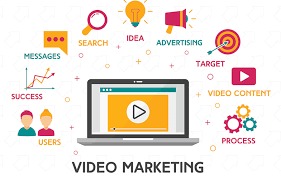
Why Video marketing is Key to Elevating Your Brand
In the fast- paced digital world, businesses are constantly looking for ways to stand out and connect with their target cult. One of the most effective tools for achieving this is video marketing. However, you’re missing out on a important occasion, If you aren’t formerly incorporating video into your brand’s strategy. video marketing has snappily come a game-changer for businesses across industriousness. In this blog, we’ll explore why video marketing should be an essential part of your marketing strategy and how it can transform your brand’s online presence. The Rise of Video Content With the growth of platforms like YouTube, TikTok, Instagram Reels, and Facebook Watch, video content has soared in popularity. Consumers are consuming farther video than ever ahead, making video selling a vital element for brands looking to engage their cult. According to studies, video content is anticipated to regard for 82 of all internet business by 2024, emphasizing its power and reach. Why Video Marketing Matters for Your Brand 1. Boosts Brand awareness and Visibility One of the main reasons video marketing is a game- changer is its capability to boost brand awareness. When you incorporate vids into your social media or website, you’re more likely to snare attention and engage implicit guests. vids have a advanced chance of going viral than other types of content, meaning your brand could reach a wider cult in a shorter amount of time. video allows your brand’s communication to be more memorable, helping you stand out in a crowded business. 2. Improves Engagement and Conversion Rates vids have been proven to increase user engagement significantly. Whether it’s through watching a product rally, behind- the- scenes footage, or a customer confirmation, video marketing allows brands to connect with their cult on an emotional position. disquisition shows that including a video on a levee runner can increase metamorphoses by over to 80. This increase in engagement translates to foster leads, advanced deals, and an overall boost in ROI. 3. Enhances SEO Rankings Hunt machines, particularly Google, love video content. Adding vids to your website or blog can meliorate your SEO rankings, making your content more likely to appear in quest machine results. Search machines take into account user behavior and stoners tend to spend farther time on runners that include video content. The longer someone stays on your point, the advanced your chances of ranking better. also, vids that are properly optimized with keywords, titles, and descriptions can rank in both Google quest results and YouTube, further boosting your brand’s visibility. Types of Video Content That Can transform Your Brand To make the most out of video marketing, it’s important to know the types of vids that resonate with your cult. also are a numerous effective options 1. Product Demonstrations and Tutorials Product demonstration vids allow guests to see your product in action. Whether it’s explaining how to use it or showcasing its features, these vids make trust and give implicit guests the confidence they need to make a purchase. 2. customer substantiations Nothing speaks further loudly than satisfied guests. video substantiations allow real people to partake their positive exploits with your brand, furnishing social substantiation that can move others to follow suit. 3. Behind- the- Scenes vids Behind- the- scenes footage humanizes your brand. It gives your cult a glance into the people and processes behind the product or service, erecting authenticity and trust with your cult. 4. Explainer vids Explainer vids are short and engaging, helping your cult understand what your brand offers in just a numerous seconds. They are particularly useful for complex products or services and can significantly increase metamorphoses. How to Get Started with Video Marketing The good news is that video marketing doesn’t bear a huge budget or product team to get started. With smartphones, introductory editing software, and creativity, you can produce poignant vids on your own. Start by defining your target cult, choosing the right video formats for your pretensions, and keeping your vids suddenly, engaging, and applicable to your brand’s messaging. Conclusion In conclusion, video marketing is a game- changer for any brand looking to thrive in moment’s digital terrain. With its capability to boost brand awareness, meliorate engagement, enhance SEO, and drive metamorphoses, video has come a important tool in the marketer’s magazine. By integrating video into your marketing strategy, you can produce a deeper connection with your cult and set your brand piecemeal from the competition. However, now is the time to embrace video marketing and start reaping the benefits it offers! If you haven’t formerly.