

The introduction of 5G networks as revolutionized the IT landscape, marking a significant shift in how industries, businesses, and consumers interact with technology. With ultra-fast speeds, low latency, and the ability to connect millions of devices simultaneously, 5G connectivity is poised to drive massive changes across sectors. This blog explores how 5G networks are transforming IT infrastructure, software development, and innovation while paving the way for the future of technology. The Evolution of 5G Networks 5G networks represent the fifth generation of mobile communications technology, offering speeds up to 100 times faster than 4G. This leap in connectivity is transforming IT by enabling new capabilities such as real-time data processing, enhanced IoT (Internet of Things) integration, and more efficient cloud-based applications. 5G technology allows for improved performance in mission-critical applications, from healthcare to autonomous vehicles, opening doors for IT innovation in ways that were previously impossible. Moreover, 5G networks provide more reliable connections, making it possible for IT infrastructure to handle vast amounts of data in real time. This change is especially impactful in sectors like finance and healthcare, where low latency and high-speed data transfer are crucial. Ultra-Fast Connectivity and Cloud Computing Ultra-fast connectivity is revolutionizing cloud computing. With 5G networks, businesses can leverage cloud computing like never before. 5G technology allows IT professionals to seamlessly run applications in the cloud without experiencing delays or lags, which was a common issue with earlier generations of mobile networks. As 5G networks enhance the reliability and speed of cloud-based applications, companies can rely more on cloud computing for complex tasks like data analysis, AI, and machine learning. This transformation is particularly beneficial for organizations that handle massive datasets, as the increased bandwidth allows for real-time processing and insights. Internet of Things (IoT) and 5G The growth of the Internet of Things (IoT) has been closely linked with the rise of 5G networks.5G technology has made it possible to connect millions of devices without compromising on speed or efficiency. As a result, IT professionals can now deploy large-scale IoT networks in smart cities, industrial automation, and even healthcare settings. With 5G connectivity, the future of IoT is more promising than ever. Real-time data sharing between devices ensures that industries like manufacturing can monitor equipment, predict maintenance needs, and optimize workflows using ultra-fast, reliable connections. 5G and Artificial Intelligence (AI) The synergy between 5G technology and Artificial Intelligence (AI) is another area where IT is being transformed. Ultra-fast networks enable AI systems to process data and make decisions faster than ever. This has profound implications for industries that rely on AI, such as healthcare, where faster data analysis can lead to quicker diagnostics and treatment recommendations. 5G networks also allow for more sophisticated AI applications, such as autonomous vehicles and smart city management, where real-time data processing and decision-making are essential. As 5G technology continues to evolve, so too will the potential of AI in transforming the way we live and work. The Future Beyond 5G While 5G technology is already transforming IT, the future holds even more potential with developments like 6G networks on the horizon. These next-generation networks will likely offer even faster speeds, more reliable connections, and new capabilities that could further revolutionize IT infrastructure and the way technology is integrated into everyday life. As we look beyond 5G networks, it’s clear that ultra-fast connectivity will remain a driving force in IT innovation. From cloud computing to IoT and AI, the possibilities are endless as technology continues to evolve at a rapid pace. Conclusion In conclusion, 5G networks and ultra-fast connectivity are driving unprecedented transformations in the IT industry. With its ability to deliver lightning-fast speeds, low latency, and reliable connections, 5G technology is enabling new advancements in cloud computing, IoT, and AI. As we move into the future, the impact of 5G and beyond will continue to reshape the way businesses operate and technology evolves, positioning IT at the forefront of innovation.

Adani Group’s Green Energy Ambitions: Leading India’s Renewable Revolution
The Adani Group has become a key player in India’s renewable energy sector, spearheading the country’s transition to a cleaner and more sustainable energy future. With a commitment to environmental sustainability, the group is making significant progress in green energy projects, positioning itself as a leader in India’s renewable revolution. Vision for a Green Future The core of Adani’s green energy ambitions lies in creating a sustainable world through clean energy. Its renewable energy arm, Adani Green Energy Limited (AGEL), is developing large-scale renewable energy projects, focusing on solar, wind, and hybrid power. As one of the largest renewable energy companies globally, AGEL is targeting 45 GW of renewable energy capacity by 2030, aligning with India’s national target of 500 GW by the same year. By investing aggressively in green energy, the Adani Group is not only helping India meet its energy goals but is also establishing itself as a global leader in the clean energy transition. Expanding Renewable Capacity A major driver of Adani’s renewable expansion is its substantial investment in solar power. The group’s Kamuthi solar park in Tamil Nadu, with a capacity of 648 MW, is among the largest solar plants worldwide, powering over 150,000 homes. This contributes significantly to India’s renewable revolution. In addition to solar, the Adani Group is investing heavily in wind energy. The company is working on several wind projects and hybrid power solutions, ensuring a balanced mix of clean energy sources to enhance efficiency and consistent energy output. Commitment to Sustainability The Adani Group goes beyond energy production by adopting strict environmental and social governance (ESG) standards. Its green energy projects aim to minimize environmental impact while promoting community development. The group is also investing in innovative technologies, such as floating solar farms and energy storage systems, to improve the efficiency and scalability of renewable energy. Driving India’s Renewable Revolution As one of the largest private-sector investors in renewable energy, the Adani Group is playing a critical role in reducing India’s dependence on fossil fuels and cutting carbon emissions. Its projects contribute to national energy security, job creation, and economic growth. Recognized as the largest solar power developer globally in 2021 by Mercom Capital, Adani’s influence in the renewable energy market is expected to grow, shaping the future of clean energy in India and beyond. KEYWORDS: Adani Group Adani Green Energy Renewable Energy India’s Renewable Revolution Sustainable Energy Clean Energy Projects Kanavu IT Park Kanavu startup village
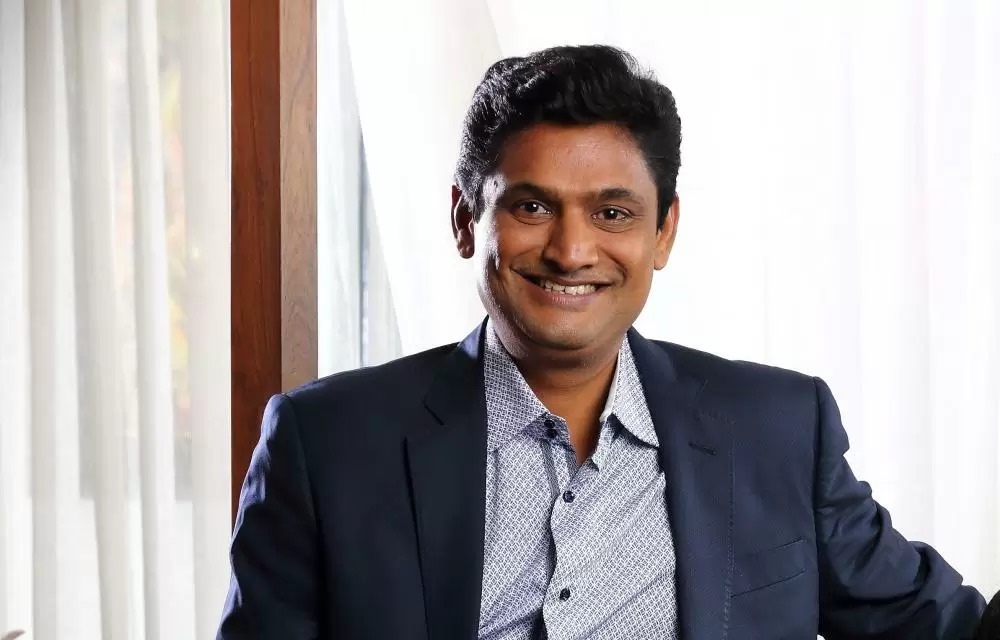
The Visionary Entrepreneur: SKM Shivkumar’s Journey to Revolutionize Agriculture and Poultry in India
SKM Shivkumar is a name synonymous with leadership, innovation, and sustainability in India’s poultry and dairy industries. As the founder of the SKM Group, Shivkumar has carved a niche for himself as a successful entrepreneur and visionary leader who has not only built a thriving business empire but also contributed significantly to the betterment of rural communities. Early Life and Entrepreneurial Journey Hailing from a humble background, Shivkumar’s rise to prominence is a true Indian success story. His entrepreneurial journey began with a deep understanding of sustainable agriculture and a passion for improving the lives of farmers. Starting in the poultry farming sector, he worked tirelessly to create innovative solutions for livestock management and agri-business, growing his ventures into one of India’s leading food processing and poultry companies. Shivkumar’s ability to blend business growth strategies with social impact is one of the key factors behind his success. Under his leadership, the SKM Group has become a prominent player in organic farming, dairy production, and food processing industries. His focus on maintaining a sustainable supply chain, from farm to table, has ensured both economic growth and environmental protection. Innovating Agriculture and Poultry Farming A pioneer in the poultry industry, SKM Shivkumar’s leadership helped revolutionize poultry farming in India by introducing modern techniques and innovative business models. His contributions to dairy production and sustainable agriculture have also been groundbreaking, focusing on improving the quality of livestock and increasing productivity without harming the environment. Shivkumar’s deep commitment to sustainable business practices reflects his belief that industrial growth should not come at the expense of environmental and social well-being. He has implemented organic farming methods to reduce the industry’s ecological footprint and has played a key role in promoting eco-friendly practices across all his ventures. Leadership in Social Impact and Philanthropy Beyond his entrepreneurial success, SKM Shivkumar is also a philanthropist dedicated to improving the quality of life for rural communities. Through various charitable initiatives, he has focused on providing education sponsorship, healthcare, and employment generation opportunities, especially in underprivileged areas. His passion for rural development and farmer support programs has uplifted numerous lives, making him a true advocate for community welfare. Shivkumar’scorporate social responsibility initiatives are deeply rooted in his understanding of the challenges faced by small-scale farmers. He has established several water conservation and environmental sustainability projects aimed at promoting a healthier ecosystem, ensuring that his business model benefits not just his company, but the broader society. A Legacy of Innovation and Inspiration SKM Shivkumar’s contribution to the Indian poultry and agriculture industries extends beyond just economic success. His visionary leadership continues to inspire young entrepreneurs and farmers alike to explore new opportunities in agro-based industries. By combining innovation in agriculture with a strong sense of social entrepreneurship, he has proven that businesses can thrive while uplifting communities and protecting the environment. In conclusion, SKM Shivkumar stands as a shining example of a business leader who has not only achieved remarkable success but has also made a lasting social impact. His journey from a modest beginning to becoming an Indian industrialist serves as an inspiration to countless others, showing that with hard work, resilience, and a commitment to sustainability, any challenge can be overcome. Keywords: SKM Shivkumar,SKM Group, Poultry Industry Leader ,Innovation In Agriculture , Business Mentorship, Indian Industrialist, Indian Success Story,Philanthropist

Meta Expands AI-Powered Business Chatbots to WhatsApp and Messenger
Meta, the parent company of Facebook, Instagram, and WhatsApp, has recently announced a significant expansion of its AI-powered business chatbots. This development is set to enhance brand interactions on both WhatsApp and Messenger, making it easier for businesses to connect with their customers through automated yet personalized conversations. The integration of these chatbots with click-to-message ads represents a strategic move by Meta to harness the potential of conversational AI in transforming customer engagement. AI Chatbots and Business Communication Over the past few years, the adoption of AI chatbots has been on the rise, driven by the need for businesses to offer instant and efficient customer support. Meta’s initiative aims to take this trend further by enabling brands to integrate AI-powered chatbots directly into their communication strategies on its platforms. With the expansion to WhatsApp and Messenger, businesses can now leverage the popularity and ubiquity of these messaging apps to foster more meaningful and seamless customer interactions. Click-to-Message Ads: A Game Changer Click-to-message ads have become a popular tool for businesses to initiate direct conversations with potential customers. These ads appear on Facebook and Instagram and, when clicked, open a chat window on either WhatsApp or Messenger, depending on the user’s preference. By incorporating AI-powered chatbots into this feature, Meta is providing businesses with an automated solution to manage and respond to these inquiries, reducing the need for manual intervention and improving response times. This integration offers several benefits. Firstly, it allows businesses to engage with customers at scale. Instead of relying on human agents to respond to every message, chatbots can handle a large volume of inquiries simultaneously, ensuring that no customer is left waiting. Secondly, these chatbots can be programmed to provide personalized responses based on user data, such as purchase history or browsing behavior, making interactions more relevant and engaging. Enhancing Customer Experience One of the key advantages of AI chatbots is their ability to provide instant responses. In today’s fast-paced digital landscape, customers expect quick answers to their questions. Whether it’s product information, order tracking, or troubleshooting, chatbots can deliver accurate information without delay. This enhancement not only elevates customer interactions but also fosters long-term loyalty and retention Moreover, the use of AI enables chatbots to learn and improve over time. Through natural language processing and machine learning, these chatbots can understand complex queries and provide more nuanced responses. This continuous learning process ensures that the chatbots become more efficient and effective as they handle more interactions. Implications for Businesses The expansion of AI-powered chatbots to WhatsApp and Messenger opens up new opportunities for businesses. It allows them to streamline customer support, generate leads, and drive sales through automated, yet highly personalized interactions. For small businesses, in particular, this technology can be a game-changer, enabling them to compete with larger companies by offering a professional and responsive customer experience. Furthermore, by integrating chatbots with click-to-message ads, Meta is encouraging businesses to adopt a more conversational approach to marketing. This shift can lead to higher engagement rates, as customers are more likely to respond to interactive and personalized ads than to traditional static ones. Meta’s expansion of AI-powered business chatbots to WhatsApp and Messenger marks a significant step in the evolution of digital customer engagement. By combining the convenience of messaging apps with the capabilities of AI, Meta is providing businesses with powerful tools to connect with their customers in a more efficient and meaningful way. As this technology continues to evolve, it is likely to become an integral part of the customer service and marketing strategies of businesses across industries.
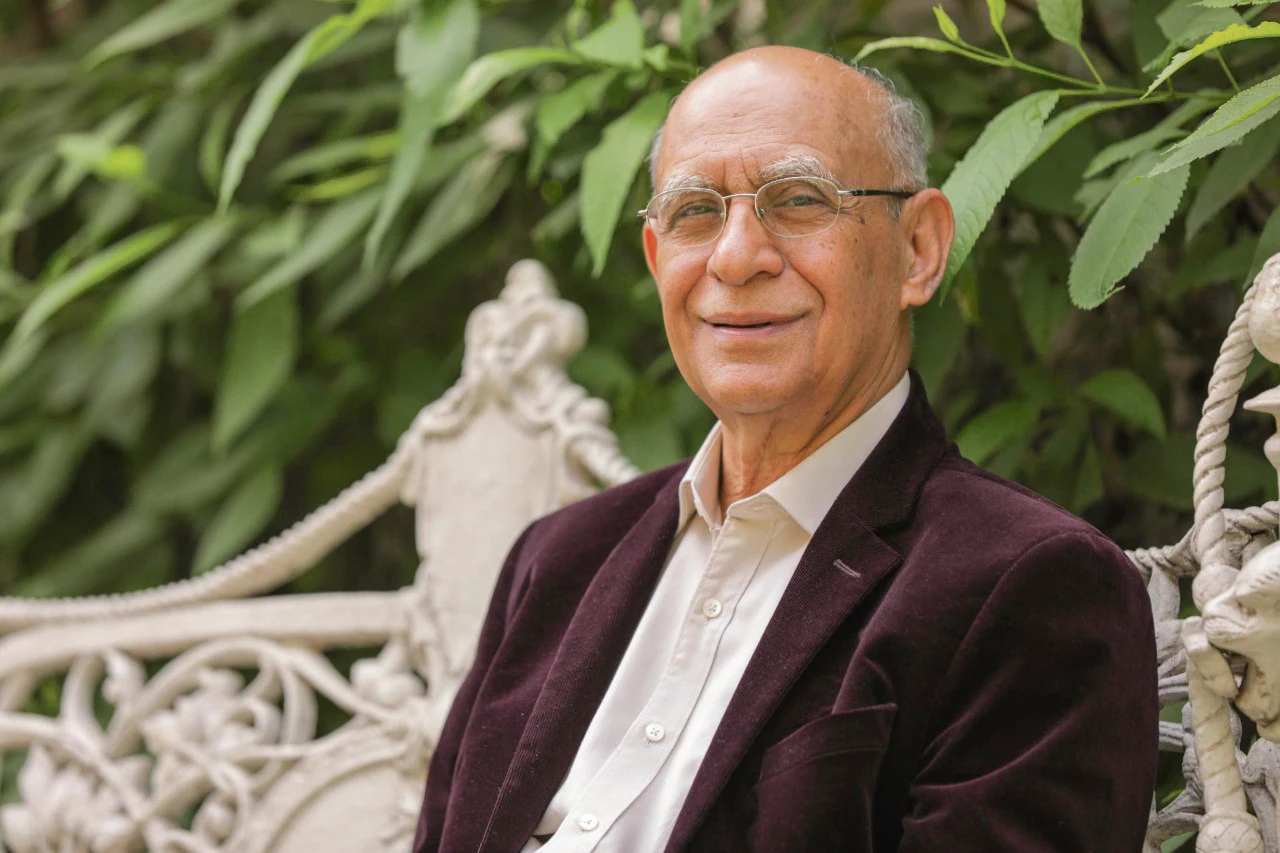
Introducing the man who founded a ₹12,000 crore company at the age of 69.
Ashok Soota, often hailed as the magic man of the IT industry, took over as CEO of Shriram Refrigeration in 1978, a company that had been posting losses for four consecutive years. Under his leadership, it achieved its first profit in five years. However, his most significant role came six years later. 👇 In 1984, he became the president of Wipro’s IT division, Wipro Infotech, and over the next 15 years, grew its revenue from ₹22 crore to ₹2,200 crore, making it India’s largest minicomputer company. Even Intel’s then-CEO, Andy Grove, sent him a letter of appreciation. But Ashok had other ambitions. 🤔 In August 1999, he co-founded Mindtree with nine other IT professionals and built it to a revenue of ₹455.37 crore within six years. In February 2007, he took the company public with an IPO worth ₹237.72 crore, which was oversubscribed 110 times. Ashok had achieved great success, but challenges soon followed. 👇 Mindtree faced stagnating revenues, missed growth targets, and internal disagreements about M&A strategies, leading to Ashok’s resignation on 28th January 2011. Even after 33 years of an illustrious career, at the age of 69, Ashok was contemplating his next move. 🤔 His next goal was to create a company that put happiness at the forefront for both employees and customers. Just one month after resigning, he took the plunge and, with nine others, founded Happiest Minds Technologies in April 2011. 🚀 Ashok’s vision was clear ⏩ to establish a mindful IT company specializing in emerging technologies like cloud computing, social media, mobility, analytics, and security. Targeting industries such as travel, media, manufacturing, CPG, BFSI, and retail, the company officially launched on 29th August 2011. 💼 Within three months, Happiest Minds had customers from the US, UK, and India, and it established five offices across Bangalore (India), New Jersey (US), and Reading (UK). On 16th November 2011, the company raised ₹228 crore in funding led by Cannan Partners and Intel Capital. 💰 While competition existed, no one focused on “connected IT.” Ashok adopted a “Born Digital” strategy, combining AI, IoT, and analytics with conventional IT services. Strategic global partnerships with MongoDB (September 2014) and Mastercard (December 2014) further propelled the company’s success. ✅ By 2018, Happiest Minds had grown to ₹460.23 crore in revenue and was serving 38 Fortune Global 2000 companies. In September 2020, it made headlines with its ₹702 crore IPO, oversubscribed by 151 times. With a listing premium of 111.4%, it became one of the most successful IPOs of the year. 💪 Today, Happiest Minds generates ₹1,710.03 crore in annual revenues, serving 61 billion-dollar and 48 million-dollar companies across the US, UK, India, Canada, Australia, and the Middle East. The company is now valued at ₹12,276 crore. 🙌 ➡️ Despite winning over 100 awards for his contributions, Ashok Soota is also recognized for his philanthropic work, including his donation of ₹375 crore towards India’s largest private-sector medical research initiative on Parkinson’s and Alzheimer’s diseases. 🙏

Mumbai City FC renews its partnership with Acer.
Mumbai City FC has announced the extension of its partnership with Acer, continuing the brand’s role as the club’s Official Technology Partner. With this renewal, the Acer logo will now appear on the right sleeve of the Islanders’ First Team kits throughout the upcoming Indian Super League (ISL) season. The logo will also be prominently displayed at the club’s training facilities at the NMSA Ground in Vashi, Navi Mumbai. Kandarp Chandra, CEO of Mumbai City FC, expressed his enthusiasm, stating, “We’re thrilled to extend our partnership with Acer. Their support has been crucial in ensuring the smooth operation of our club, and we deeply value their commitment. In the modern sports arena, technology and innovation are key to success, and Acer has significantly contributed to this aspect.” Sooraj Balakrishnan, Associate Director & Head of Marketing at Acer India, shared, “At Acer, we are committed to enhancing lives and driving innovation through technology. Our partnership with Mumbai City FC, one of India’s leading football clubs, perfectly aligns with our mission to advance technology in sports. Football’s popularity in India makes this collaboration an excellent opportunity to support a club that embodies excellence and passion. By integrating our technology with Mumbai City FC’s dynamic approach, we aim to elevate the sporting experience and engage with their passionate fan base. Together, we will set new standards and create meaningful experiences within and around the game.”

Tata Consumer Products wins gold for its outstanding campaign.
The 15th edition of the Indian Digital Marketing Awards (IDMA) took place on July 19, recognizing remarkable and impactful contributions to the digital media landscape. The event celebrated brands and agencies for their innovation and creativity in crafting insightful campaigns. At this prestigious event, Tata Consumer Products Limited won a gold medal for its campaign titled ‘Tata Tea Gold – Durga Pujo Campaign – #BanglarNokshaPujo’ under the ‘Best Use of User Generated Content’ sub-category. The campaign was executed by Media.Monks. Durga Pujo is a time when West Bengal bursts into vibrant colors, with women adorning themselves in an array of exquisite traditional handloom and textile sarees. This festive celebration of handloom heritage inspired Tata Tea Gold’s festive series packaging. The brand introduced 10 special packs, each inspired by five Bengali handloom styles: Kantha, Jamdani, Baluchari, Batik, and Garad, depicting the key rituals associated with each day of Pujo. This cultural tribute was encapsulated in the term ‘Banglar Noksha Pujo,’ meaning Bengal’s Celebration of Patterns. The campaign’s marketing and communication strategy was led by a digital video film that told a heartwarming story of cultural heritage, nostalgia, and the love for sarees being passed down from mother to daughter. The brand collaborated with popular Bengali influencers to ignite conversations around the film and people’s passion for handloom sarees. The social media plan featured reels with elaborate illustrations, diving deep into the features and origins of each handloom style while skillfully incorporating Pujo elements. To engage audiences, the brand invited women of all ages to share their Pujo OOTD (outfit of the day) on Instagram, with contest winners receiving the Tata Tea Gold festive series kit. IDMA recognized outstanding work in the digital media space, celebrating brands and agencies for their exemplary innovation and creativity in crafting insightful and impressive campaigns. This year, the IDMA jury was chaired by Suresh Narayanan, Chairman & Managing Director of Nestlé India. The awards honored winners across eight prime categories: Web, Mobile and Tablets, Social Media, Search and PPC campaigns, Small Medium Business, Start-Ups, Hall of Fame Awards, and Special Awards.
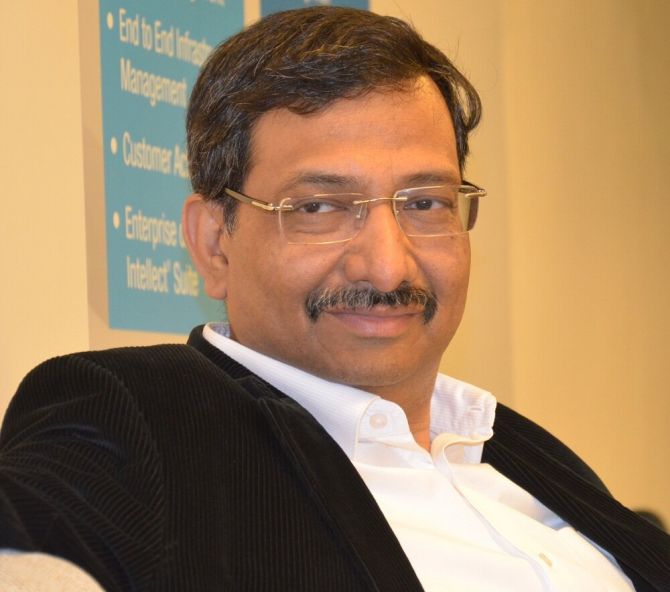
Meet the Chennai man who is supporting the education of 2 million underprivileged students.
Born into a middle-class family with a father who worked as an accounts officer, Arun Jain always had a keen interest in technology. After earning his degree in electronics engineering from Delhi College of Engineering, he interned in software programming at the American tech giant Wang Labs. Despite witnessing cutting-edge technology, his thoughts were elsewhere. 🤔 While the US had over 1,000 software programs, India had barely reached 100. Arun aspired to start his own company to develop software for India. In 1983, with three friends and a modest capital of just Rs 20,000, he founded International Information Systems. ✅ His concept was straightforward ⏩ An IT consulting firm focused on delivering software solutions to businesses. Initially starting as a partnership, Arun soon recognized the need to establish a software hub and change the company name. In 1986, he rebranded it as Nucleus Software Workshop Pvt Ltd, but then, something unexpected occurred. 👇 One of Nucleus’s co-founders departed, leaving Arun in need of a new direction. He identified the demand for specialized software solutions in the banking and financial services sector. With just Rs 10,000, he decided to pivot again. On 24th July 1993, Polaris Software Lab was born in Chennai, starting with a 120-person office in Anna Salai, Chennai. 🙌 Polaris began by offering core banking solutions, transaction processing, and risk management. Its first client was the US-based Data General for file systems, followed by Saudi American Bank for their client-server banking application. Then, the big break came. 💪 Arun successfully secured Citibank as a client for their consumer banking and credit card operations, outcompeting industry giants like TCS, Infosys, and Mastek. Polaris scaled rapidly, reaching a revenue of Rs 264 crore with eight offices across the USA, Japan, Germany, and Singapore. It went public in 1999, achieving a market worth of Rs 900 crore. 💰 Within just seven years, Polaris experienced a 105% growth rate and was recognized among the “Top 200 Fastest Growing Companies in the World”. On 22nd May 2002, it acquired Citibank’s Indian software business, Orbitech, marking the largest transaction in India that year, valued at Rs 2,700 crore. 📉 By 2014, Polaris had reached revenues of Rs 2,424 crore, but Arun sought to differentiate between the product and service businesses. He demerged the service business to focus entirely on the product side, giving it a new identity. Thus, Intellect Designs Arena was established in 2014. 🚀 With cloud-native products for complex banking, Intellect achieved a revenue of Rs 453.1 crore in its first year. By 2018, it was serving 240 customers across 91 countries, growing at an annual rate of 36.4% and reaching a revenue of Rs 1,458.7 crore. 💸 Today, Intellect Designs Arena generates a revenue of Rs 2,506.4 crore with a profit of Rs 548.5 crore. It partners with 60% of the world’s top banks and is valued at Rs 13,619 crore. 💪 ➡️ But perhaps the most remarkable achievement is that Arun’s Ullas Trust has supported over 2 million economically disadvantaged students from 1,500 schools across 114 districts over the last 26 years. 🙏
Meet the man who was the son of a farmer but started a 9000 CR company.
1. Born to a Jain family in the small village of Padru in Rajasthan, Motilal Oswal’s father had a fledgling grains trading business. But he wanted to leave the family trade and pursue education. 👨🎓2. After studying at the SPU Jain College in Falna, he moved to Mumbai to become a CA. While at Rajasthan Vidyarthi Grih hostel in Andheri, he met another aspirant (Raamdeo Aggarwal) and wanted to start something with him. He was looking for an idea. 🤔3. After working at an audit firm, Motilal wanted to enter the stock market, but it was super tough. In 1987 – There were no regulations, just 2 hours of trading time and a monopoly of Gujarati traders. He still went ahead and became a sub-broker at the Bombay Stock Exchange. 💪4. Motilal started but experienced a 2 km run daily for a stock order call and then another month for share delivery. He wanted to revolutionise with a stock broking business. Oswal got the trading badge and started a company with its name. In 1989, Motilal Oswal Financial Services Ltd (MOFSL) was born. 🚀5. MOFSL started as a 100% honest broker, giving clients an accurate daily update on traded stock prices through a 24×7 landline call. They barely made money, but then the 1992 Harshad Mehta scam happened. 👇6. It made a profit of 30 CR in 20 months on an initial investment of 15 Lakhs. By investing 30% of its profit in research, it entered Institutional Equities (1994) and wealth creation in 1996. And then two more news came. 👇7. NSE came up in 1994, which meant that the broking business could establish offices outside Mumbai, and SEBI came into the picture with the dematerialisation of shares in 1996. As more people entered the markets, MOFSL expanded to 10,000 customers and 100 offices across India. ✅8. Motilal kept expanding and entered portfolio, investment banking and private equity businesses by 2006. It went from a small broking house to a 1000 CR financial group in just four years. And the big moment came. 👇9. On 11th September 2004, MOFSL listed on the stock markets with its 246.07 CR IPO getting oversubscribed by 26.4 times. It had clocked revenues of 500 CR with a profit of 100 CR. With 2,00,000 investors in 360 cities, it had become a billion-dollar company worth 4000 CR. 📉10. But, brokerage fell from 1.5% to 0.05% post the 2008 financial crisis. In 2010, Motilal took the asset management company (AMC) route and launched his mutual fund business, followed by Aspire Home Finance in 2013. By 2017, he doled over 4100 CR loans through Aspire while AMC crossed 28,800 CR in managed assets. 💰➡️Today, MOFSL manages assets worth 380,000 CR while recording the highest revenue of 7131 CR at a profit of 2626 CR last year. It has served over 70 lakh customers and is worth 8732 CR. 💸Motilal Oswal is worth 16,000 CR today, but his foundation supports the free education of 31,265 school students. 🙏

The Aditya Birla Group narrates a golden love story for Indriya’s ‘Kaarigari Stories’.
Indriya, a brand under the Aditya Birla Group, celebrates the art of craftsmanship and the timeless love for fine jewelry in its newly released film. “Each piece crafted at Indriya is a tribute to the rich Indian Kaarigari, reimagined with a contemporary touch. From reinventing classic favorites like polki and kundan to incorporating local crafting techniques, every design showcases the finest aspects of India’s jewelry traditions. Our mission is to reinterpret ancient jewelry-making methods and create masterpieces that captivate all five senses. Indriya offers a diverse range of designs suitable for every occasion, from everyday wear to special events, and exquisite bridal jewelry, with over 16,000 designs in gold, polki, and diamond,” the company stated. The Lumiere necklace embodies the essence of stardust with vibrant gemstones and a modern twist on the traditional “hansuli” design. The Gul Posh necklace features a 2,500-year-old jewelry-making technique, fused with diamond innovations, showcasing craftsmanship beyond imagination. Shantiswarup Panda, Head of Marketing at Indriya, says, “This story begins with our customers’ deep love for jewelry and highlights our artisans’ passion and dedication in creating these pieces. It is a tribute to the rich tradition of Indian Kaarigari, celebrating both our artisans’ artistry and our customers’ love for fine jewelry.”