
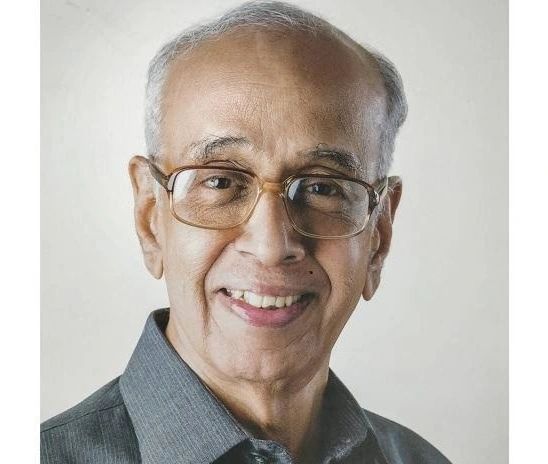
Here’s a rephrased version of the text: Born into a middle-class Brahmin family in Chennai, R. Thyagarajan aspired to become financially independent. While searching for opportunities, he came across an intriguing advertisement. 🤔 In 1961, New India Assurance, a general insurance company, offered a training stipend of ₹500—unusually high when most companies didn’t pay more than ₹300. He was one of only 12 people selected for the position and spent the next decade working in commercial financing. But then, a significant change occurred. 👇 On September 20, 1972, the Indira Gandhi-led government nationalized the general insurance sector, which included 55 Indian companies. At 37 years old, Thyagarajan realized it was time to move on and build something of his own. He envisioned financing people without a credit history, and an idea sparked. 💡 The idea was straightforward ⏩ A chit fund, where the collected money is distributed to one investor monthly until everyone has received their share. He planned to use this money to buy trucks and offer financing at a 37% interest rate when the market rate was 80%. On April 5, 1974, Shriram Chits was launched. 🚀 Thyagarajan’s idea quickly gained momentum and eventually evolved into Shriram Transport Finance Company (STFC) in 1979. The company grew to hold deposits worth ₹800 crore from 200,000 depositors and was listed on the stock market in 1984. Impressed by its growth, Tata Motors and Ashok Leyland acquired a 15% stake in STFC in 1990. 💰 But then, in 1998, the RBI raised concerns. It cautioned depositors that their money might be at risk because STFC was lending to finance 5-10-year-old pre-owned trucks. Thyagarajan personally spoke to every depositor over the next three months, reassuring them of his business model. And then, something remarkable happened! 🪄 As the company managed over ₹3,000 crore in assets with a profit of ₹100 crore by 2006, it raised ₹700 crore from TPG and Chrys Capital, becoming a ₹1,000 crore company. 📉 By 2009, STFC had purchased hypothecation loans from commercial vehicle maker General Electric and expanded into construction equipment financing. It securitized ₹8,757 crore worth of loans and raised ₹584 crore, crossing ₹50,000 crore in managed assets by 2013. 💵 With its ratings upgraded to AA+, STFC raised ₹25,100 crore by issuing India’s first Masala Bonds—Senior Secured Rupee Denominated bonds—on the Singapore Stock Exchange. Thyagarajan had made history as Shriram Group crossed the trillion-dollar mark, managing assets worth ₹100,000 crore in 2019. 🙌 Today, the Shriram Group is involved in housing, insurance, transport, wealth management, and real estate. Its flagship entity, Shriram Finance (renamed from STFC in November 2022), manages assets worth ₹233,443 crore, while the group as a whole is valued at ₹70,400 crore, serving over 23 million customers. 💪 ➡️ But perhaps the most remarkable part is that R. Thyagarajan still doesn’t own a mobile phone, drives a ₹4 lakh car, and has donated shares worth ₹6,120 crore to his employees. 🙏
Vendang Raina stays cool in the new Sprite ad.
Sprite introduces a refreshing twist to the end-of-the-day “chill at home” routine with its quirky new campaign. Teenagers today are constantly juggling their studies, extracurriculars, social expectations, and personal goals, making their days hectic and overwhelming. Even when they arrive home in the evening, they often carry the weight of these demands in the metaphorical “backpack” they bring with them. With the constant hustle and bustle of life, it’s crucial for the younger generation to find time to relax and recharge. Recognizing this need, Sprite steps in as the ultimate chill partner, offering a refreshing way to help teens unwind after a long day. Featuring the rising star Vedang Raina, the campaign encourages young people to decompress after a demanding day and positions Sprite as the go-to drink for navigating those unavoidable, and often annoying, moments that are part of daily life. The campaign unfolds through a series of films that resonate with teen life, touching on their college experiences, social circles, friendships, and societal pressures. With elements like people popping out of bags, talking refrigerators, and humorous interactions, the campaign’s clever humor shines through. Additionally, AI is utilized to create 200 unique messages, each crafted to connect with teens at the right moment and in the right context. Vedang Raina expressed his excitement about being part of the campaign, saying, “I’m thrilled to be part of the Sprite universe. Working with such an iconic brand that embodies the cool and vibrant energy of today’s youth is an incredible opportunity. I completely relate to the insight, and chilling at the end of the day is essential for our generation, including me. Sprite’s cool and witty approach always brings a moment of calm amidst the chaos.” Vishwesh Krishnamoorthy, Director at Corcoise Films, added, “This gives a great visual device for the film. It’s unique and entertaining.” Ritu Sharda, Chief Creative Officer at Ogilvy India (North), stated, “Sprite has always understood the pulse of the youth. This film captures the everyday annoyances that college students face, symbolized by the weight of a backpack. It represents the stress and burdens they carry throughout the day. Sprite steps in as the perfect way to unwind, turning those end-of-day moments into something truly refreshing and rewarding.”

Walmart’s ad division continues its impressive growth streak, driving an increase in profits.
Ad sales from marketplace sellers surged nearly 50% in fiscal Q2, as Walmart emphasized expanding its in-store and offsite advertising offerings. Walmart Connect, the retailer’s U.S. advertising division, saw a 30% year-over-year revenue increase in fiscal Q2 2025, as reported in an earnings statement. The global advertising business, including India-based Flipkart, grew by 26% over the same period. Although Walmart does not disclose specific advertising revenue figures, it has revealed that the business generates billions annually. Marketplace sellers, including smaller and emerging brands that sell through Walmart, significantly contributed to this growth. Walmart CEO Doug McMillon highlighted this during a call with investors, noting that ad sales from this category rose nearly 50%. McMillon also mentioned in a statement accompanying the earnings report that newer businesses like marketplace, advertising, and membership are diversifying profits and enhancing the resilience of Walmart’s business model. This year, Walmart Connect has been focused on increasing the variety of media options available to its advertising partners, with in-store and offsite channels being key priorities. More ads are now visible on self-checkout lane screens, in TV aisles, at sampling stations, and over Walmart’s store radios as the company seeks to better monetize its substantial brick-and-mortar presence. Offsite, Walmart Connect has partnered with publishers like Disney to leverage its first-party shopper data for more targeted and measurable ads on connected TV. Additionally, Walmart’s acquisition of smart TV maker Vizio for $2.3 billion earlier this year has bolstered its capabilities in the video advertising space. Walmart’s e-commerce business also experienced solid growth in Q2, which likely contributed to an increase in onsite advertising—campaigns running on Walmart-owned properties. According to third-party analysis, Walmart leads among retail media networks in generating onsite advertising impressions. Global e-commerce sales, which are reported separately, increased by 21% year-over-year, making a significant contribution to the overall results, as noted by CFO John David Rainey during the investor call. Overall, the earnings report exceeded Wall Street expectations, with Walmart raising its outlook for the full year. U.S. comparable sales grew by 4.2%, while consolidated revenues increased by 4.8% to $169.3 billion. Advertising and membership growth together accounted for over 50% of operating income growth for the quarter, according to Rainey.
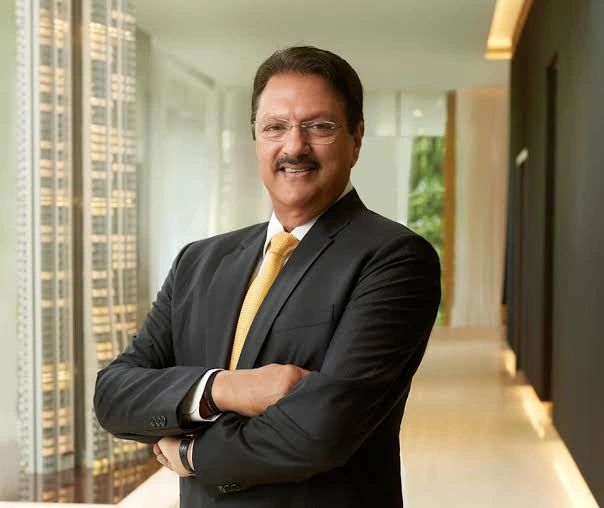
Here’s the story of a man who began his journey at 22 and is now worth 27,000 CR.
At 24, Ajay Piramal had to step in and take charge of his family’s textile business, Morarjee Textile Mills in Bombay, after his father’s death. The situation became even more challenging when his elder brother decided to part ways, taking with him their most successful venture—luggage maker VIP Industries. As Ajay grappled with these setbacks, another tragedy struck. 👇 Five years later, his older brother passed away from cancer, leaving Ajay responsible for supporting his brother’s three children as well. Realizing that the textile business wasn’t his true calling, Ajay decided it was time to explore new sectors and establish separate businesses. Thus, in 1984, Piramal Group was born. 🚀 The strategy was straightforward ⏩ Acquire companies and scale them to new heights. Ajay began by acquiring Gujarat Glass Limited, which produced glass packaging for pharmaceutical and cosmetic products. By 1985, he had grown its turnover to 5 CR, but his big breakthrough came three years later. 👇 In 1988, when Australian pharmaceutical multinational Nicholas Laboratories was exiting India, they were seeking buyers. Despite receiving hundreds of bids from larger players, it was Ajay’s vision to elevate the company into the top five pharma companies that won out. He acquired Nicholas for 16.5 CR. 💰 By 1991, Ajay had established a formulation plant at Pithampur in Madhya Pradesh and rebranded the company as “Piramal Healthcare”. With a focus on bulk drugs and expanding marketing efforts in Myanmar, the company’s revenue skyrocketed from 19 CR in 1988 to 441.8 CR within just a decade. 📉 Ajay continued to drive growth through global acquisitions, including Boehringer Mannheim in 1996 and ICI in 2002. As Piramal Healthcare became one of the top five pharmaceutical companies, NYSE-listed Abbott Labs acquired it in 2010 for 17,100 CR, creating the largest Indian pharma company with a 7% market share. 💪 Although Ajay had secured the biggest deal of his life, his ambitions were far from fulfilled. In 2012, he launched a privately-owned real estate entity under the Piramal Group. That same year, he acquired HUL’s sea-facing property in Worli, Mumbai, for 452 CR. However, the defining moment for Piramal Realty came three years later. 👇 In 2015, Piramal Realty raised 2700 CR from private equity giants like Goldman Sachs and Warburg Pincus, marking one of the largest investments in the real estate sector. As the company expanded into housing and capital finance, another private equity leader, Blackstone, acquired his glass business for 7500 CR in 2012. 💵 Today, Piramal Group boasts a revenue of 14,710 CR with a profit of 1,923.11 CR across its real estate, finance, and pharmaceutical ventures. Meanwhile, Ajay Gopikisan Piramal stands as India’s 56th richest man, with a net worth of 26,560 CR. 💪 ➡️ Despite his business successes, the Piramal Foundation continues to make a significant impact, touching the lives of 11.3 CR people across 27 Indian states through initiatives in health, education, and waste management. 🙏

Popeyes names PepsiCo marketer as its new Chief Marketing Officer.
Popeyes has appointed Bart LaCount as its new Chief Marketing Officer for the U.S. and Canada, according to a press release. LaCount will oversee all marketing initiatives, with a focus on driving traffic and boosting sales for the fried chicken brand. “Bart brings an incredibly well-rounded marketing background to this role as we aim to strengthen brand relevance in communities where we are beloved and expand our presence in areas where Popeyes should be more recognized — all aligned with the strategic plan developed in collaboration with our franchisees,” stated Jeff Klein, president of Popeyes North America. Klein, who previously held the CMO role, was promoted earlier this year. Before joining Popeyes, LaCount spent nearly 20 years at PepsiCo, most recently serving as Vice President of International Beverages Marketing, where he managed hydration and energy portfolios that included brands like Gatorade, Aquafina, and Rockstar. In addition, Popeyes has promoted Matt Rubin to the position of Chief Digital Officer for the U.S. and Canada. Rubin will lead the digital and technology teams, focusing on digital growth and enhancing guest experience. Previously, Rubin was Vice President of Digital for the chain and recently took on additional responsibilities for the restaurant technology team. LaCount’s appointment marks the second notable marketer move in the QSR industry in recent weeks, following CMO Mark Shambura’s departure from Papa Johns to Panera Bread on July 29. Last week, Popeyes’ parent company, Restaurant Brands International, reported a 5.0% year-over-year increase in system-wide sales, with Popeyes contributing a 4.6% growth, as part of its latest earnings report. Despite industry-wide challenges, the earnings exceeded analysts’ expectations. In June, Popeyes added six new flavors of boneless wings to its permanent menu, following the success of its first Super Bowl ad, which RBI CEO Josh Kobza said was effective in raising mass awareness for wings. Last year, the brand selected McKinney as its creative agency of record and launched the “We Don’t Make Sense, We Make Chicken” campaign to celebrate its New Orleans roots.
The impact of Google’s decision to retain cookies on digital advertisers.
In a surprising reversal, Google has announced its decision to retain third-party cookies in Chrome. This unexpected development in the ongoing Privacy Sandbox saga is more than just a tech update—it’s a significant signal for the entire digital advertising industry. Having spent countless hours engaged in World Wide Web Consortium privacy discussions and Google API proposals, I’ve observed this long-running drama with a blend of fascination and frustration. The outcome is a stark reminder of the dangers of concentrating too much power in the hands of tech giants who struggle to wield it responsibly. The Privacy Paradox At its heart, the Privacy Sandbox aimed to reconcile conflicting interests. Google, which has long dominated in collecting and monetizing user data, found itself pressured from various sides. Apple’s assertive privacy-focused marketing posed a threat to Google’s reputation, while Google’s desire to keep ad revenue within its own ecosystem clashed with the need to support a vibrant, open-web ecosystem to sustain its search business. Google’s response was an ambitious plan to protect its reputation, preserve its business model, and support the open web all at once. Although admirable in theory, the plan proved unworkable in practice. The Fatal Flaw The fundamental flaw in Google’s approach was its narrow view of privacy, defined only in terms of preventing cross-site tracking. This simplistic perspective set an impossibly high standard for the Privacy Sandbox APIs, requiring them to facilitate effective advertising while making cross-site data sharing technically impossible. This rigid definition allowed Google to avoid more complex discussions about data collection and usage that could have challenged its core business practices. The result was technically innovative APIs that failed to address the real-world needs of the digital ecosystem. The Aftermath Google’s announcement doesn’t mean third-party cookies will remain indefinitely. Industry experts predict that Google will essentially mimic Apple’s App Tracking Transparency consent prompts, which would severely reduce (but not completely eliminate) cookie availability. This scenario is arguably the worst of all outcomes. The industry loses momentum in moving beyond outdated tracking practices, while the Privacy Sandbox initiative is likely to falter without the urgency of impending cookie deprecation. The repercussions of Google’s failed experiment are significant. The credibility of privacy-enhancing technologies has been damaged by association. Many advertisers have doubled down on potentially less privacy-friendly alternatives to cookies or feel justified in never moving away from cookies in the first place. The uncertainty surrounding the future of the open web has accelerated the flow of ad dollars into walled gardens, ironically concentrating more user data in the hands of a few tech giants. While Google may now successfully avoid regulatory challenges and blunt Apple’s attacks, the open-web ecosystem has been left weakened and exposed. The opportunity cost of this multi-year journey is staggering, with countless hours and resources spent on what ultimately turned out to be a mirage. Charting a New Course As an industry, we find ourselves at a crossroads. It is clear that both self-regulation and the de facto regulation imposed by tech giants have failed. What we need now is a truly collaborative, multi-stakeholder initiative to develop realistic privacy standards, practices, and enforceable rules that genuinely work. This will require an international coalition that brings together regulators, industry representatives, academic experts, and user advocates. Together, they should work toward creating a flexible, adaptable privacy framework that embraces a holistic view of privacy, recognizing its contextual nature and the complex realities of data use in the modern web ecosystem. This framework must balance the need for innovation and effective advertising with strong user protections, utilizing both technology and law. It should establish clear, enforceable rules that mitigate the greatest harms without overly burdening startups or stifling innovation. And it must aim for incremental improvements within the existing ecosystem, rather than attempting a utopian overhaul of the entire economic foundation of the web. As we move beyond the Privacy Sandbox debacle, the digital advertising industry must evolve and adapt. Collaboration should be our top priority. Google’s effort was significantly hampered by limited early industry involvement, a mistake we cannot afford to repeat. In the meantime, we must prepare for a transitional period where cookies rapidly decline, but no clear single replacement emerges. Advertisers should invest in and evaluate the effectiveness of various strategies, including first-party data utilization, contextual targeting, and emerging privacy-preserving methods. Patience will be essential as we navigate this shifting landscape. While a comprehensive federal privacy law in the United States seems inevitable, well-crafted regulatory regimes take time to develop. Working constructively with regulators, rather than attempting to obstruct them, is now clearly the smartest approach. Google’s latest privacy misstep presents an opportunity for a fresh start. By embracing collaboration, diversifying our approaches, and engaging constructively with regulators, we can work toward creating a genuinely user-centric, privacy-respecting digital ecosystem.
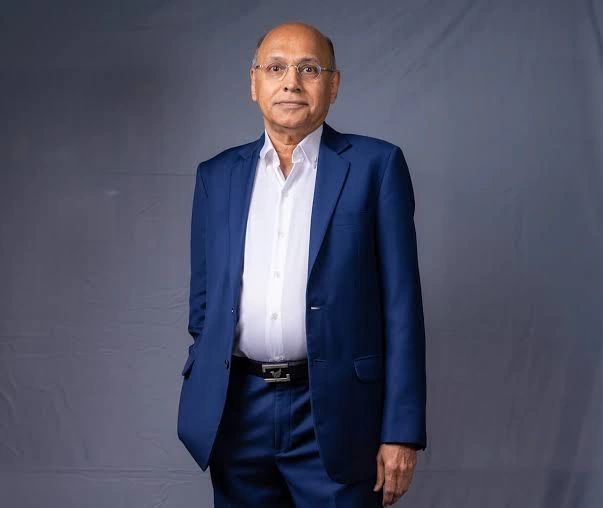
Meet the man who began at 15 and grew his company to a 100,000 CR business.
At just 15, Inder Jaisinghani had to take over his father’s modest four-year-old hardware shop, Sindh Electric Stores, in Lohar Chawl, Mumbai, following his father’s passing in 1968. He dropped out of school, driven by the desire to grow the business. 🤔 With a determination to manufacture wires and cables, Inder enlisted the help of his elder brother and two younger siblings. He soon recognized the significant earning potential in this field and made a bold decision. 🤞 He left the family shop and, together with his brothers, started a partnership firm in a 1,000 sq ft rented garage in Sewri, Mumbai, to produce Polyvinyl Chloride (PVC) insulated wires and cables. Thus, Polycab was born in 1983. 🚀 Inder began his journey when BEST (Brihanmumbai Electricity Supply and Transport) mandated the use of cables in buildings. With demand at its peak and suppliers unable to keep up, Polycab stepped in, securing a license to establish a plant in Gujarat. ✅ As the business expanded to a 10,000 sq ft factory in Halol, Gujarat, it began manufacturing aluminium and bare copper wires to international standards for power, overhead conductors, and railway signals. However, without sufficient capital, managing production and labor became increasingly difficult. Inder had to find a solution. 🤔 He saved every penny, foregoing an office to operate from the garage of his Wadala home. Inder also traveled in second-class passenger trains to meet distributors. As Polycab’s wires and cables became a staple in electrical stores across India, the 2008 global financial crisis struck. 👇 Despite copper prices plummeting by 65%, Inder remained loyal to his suppliers, continuing to accept deliveries at higher prices. He also provided additional credit and extended financial support to channel partners facing heavy inventory losses. Polycab emerged stronger, reaching revenues of 3,832.94 CR by 2014. 📉 Polycab diversified its product line, venturing into electric fans, LED lights, switches, and solar products, becoming a Fast Moving Electrical Goods (FMEG) company. By 2019, it achieved revenues of 7,956 CR with a profit of 1,014.2 CR. Then came a major milestone. 👇 On April 16, 2019, Polycab went public with a 1,346 CR IPO, which was oversubscribed 52 times. Today, Polycab generates revenues of 18,039.4 CR with a profit of 1,802.9 CR. With 28 manufacturing plants, over 3,800 distributors, 205,000 retail outlets, and a commanding 26% market share, the company is valued at 101,300 CR. 💪 ➡️ Inder Thakurdas Jaisinghani was ranked as India’s 32nd richest person last year, with a net worth of 53,298 CR. But his true wealth lies in the sustainable manufacturing practices that have positively impacted the lives of 77,930 people. 🙏
Meta’s AI Vision: Real-Time Automation of Creative and Personalized Ads
– Meta’s revenue surged by 22% year-over-year to $39 billion in Q2, surpassing Wall Street’s expectations, as stated in their earnings report. – The company saw a 10% increase in ad impressions across its Facebook and Instagram apps, with the average price per ad also rising by 10%. The e-commerce, gaming, and entertainment, and media sectors were highlighted as key contributors to this growth. – For Q3, Meta forecasts revenue between $38.5 billion and $41 billion, a strong outlook. – During its Q2 earnings report, Meta elaborated on its AI vision, which helped it exceed analyst predictions. The company currently categorizes AI into two areas: core AI, which has supported its ecosystem for years, and generative AI, a newer and expensive technology that isn’t yet a significant revenue source but is seen as potentially transformative by executives. – Analysts recognize generative AI as a potentially powerful tool for digital ad platforms but caution against relying too heavily on automation. Some marketers may be hesitant to relinquish too much control, as envisioned by Zuckerberg. – “Meta is well-positioned to create value with generative AI for advertisers, but let’s be clear that it’s a long way off, if it happens at all, before CMOs will fully entrust AI to autonomously generate ad content,” commented Mike Proulx, Vice President and Research Director at Forrester, via email. – Currently, much of Meta’s AI work happens behind the scenes. The company’s ad-ranking system, Meta Lattice, improved ad efficiency and performance in Q2, according to CFO Susan Li. More advertisers are also adopting Advantage+, a suite of AI-powered ad products designed to optimize ads across different formats and platforms. On the consumer side, Meta’s AI assistant, introduced widely last quarter, is on track to become the most popular offering in its category by the end of 2024. – AI is also central to Meta’s long-term vision for the metaverse. However, the metaverse remains a costly endeavor: Reality Labs, the division developing augmented and virtual reality technology, incurred expenses of $4.8 billion in Q2, up 21% year-over-year, while generating $353 million in revenue. This represents its highest operating loss in two years, highlighting the challenges of scaling consumer adoption amidst rising costs. – “It might be wise for Meta to narrow its metaverse ambitions,” Proulx suggested. – Meta also made strides in streamlining its ad business in Q2, improving how ads are shown as users move between platforms like Facebook and Instagram, thereby increasing conversions and revenue without raising ad load. Additionally, it unified video recommendations on Facebook, combining Reels (similar to TikTok), long-form videos, and livestreams into a single experience. – On the demand side, e-commerce brands continued to invest heavily in Meta’s platform to reach new customers. Chinese marketplaces like Temu and Shein attracted a large number of U.S. shoppers through aggressive social media campaigns. The Asia-Pacific and other global regions were the biggest drivers of ad impression growth in Q2, according to Li.
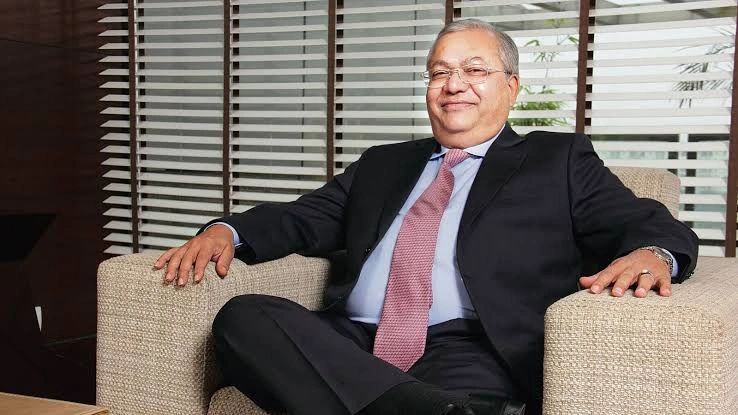
Introducing the man dubbed the “Cola King of India,” with a net worth of 152,130 crores.
Here’s a rephrased version of the text: Ravi Jaipuria was born in 1953 into a traditional Marwari family, where business was in his blood. His father, Chunni Lal Jaipuria, became a bottling franchisee for Coca-Cola. However, when India introduced new foreign exchange laws in 1977, Coca-Cola had to exit the country, leaving the family to rethink their business strategy. 🤔 After Coca-Cola’s departure, the Jaipuria family began bottling the rising local brand Thums Up. However, fate had other plans. In 1985, tragedy struck when Ravi’s wife died in a plane crash, and by 1987, the family business was divided among the three Jaipuria brothers. Ravi, the youngest, faced the toughest challenge. 👇 He took charge of their bottling plant in Agra. As he was getting a handle on the business, Pepsi entered the Indian market in 1991, aiming to dethrone Thums Up, which had captured 80% of the market after Coca-Cola’s exit. Ravi was contemplative but soon made a bold move. 🙌 He shifted his strategy and struck a deal with Pepsi to become their bottling partner. With this new direction, he established a new company named after his son. On June 16, 1995, Varun Beverages Limited (VBL) was founded. 🚀 Ravi started operations in Jaipur, but Coca-Cola made a strong comeback by acquiring Thums Up from Parle in 1993. In response, Ravi expanded his operations to nearby cities like Alwar, Jodhpur, and Kosi. In 1997, he became the first Indian to win Pepsi’s Bottler of the Year award. Then, 2003 brought new challenges. 👇 In 2003, Pepsi and Coca-Cola’s 12 brands came under scrutiny for containing pesticide levels 40 times higher than permitted. Sales plummeted by 40%, and the Indian soft drink market, worth $1.5 billion, faced a crisis. It was during this turbulent time that Pepsi appointed its first female CEO in its 44-year history, Indra Nooyi. 🧍♀️ In 2007, Nooyi launched Pepsi’s new mission, “Performance with Purpose,” focusing on reducing sugar and sodium in the company’s core snacks and beverages. By 2014, Pepsi’s sales in India had grown by 11% to reach 9,000 crores, with Ravi overseeing operations across Pepsi’s 42 Indian plants, making India its fastest-growing market. 📉 On November 8, 2016, VBL made its debut with an IPO worth 1,112.50 crores, which was oversubscribed by 1.86 times. By 2018, VBL secured the exclusive rights to promote Tropicana and Gatorade in North and East India, achieving sales of 3,958.5 crores. 💰 VBL’s success went global, as it won contracts to distribute PepsiCo products in Nepal, Sri Lanka, Morocco, Zambia, and Zimbabwe. Yet, India remained its core market, contributing 80% of its 13,429.40 crores in revenue by 2022. ✅ Today, VBL generates revenue of 16,400 crores. It operates in 6 countries and 27 Indian states and is Pepsi’s second-largest franchisee outside the USA, contributing 90% of Pepsi’s sales in India. The company is valued at 209,471 crores. 💪 Ravi Jaipuria himself is worth 152,130 crores, earning him the well-deserved title of the “Cola King of India.” 🇮🇳
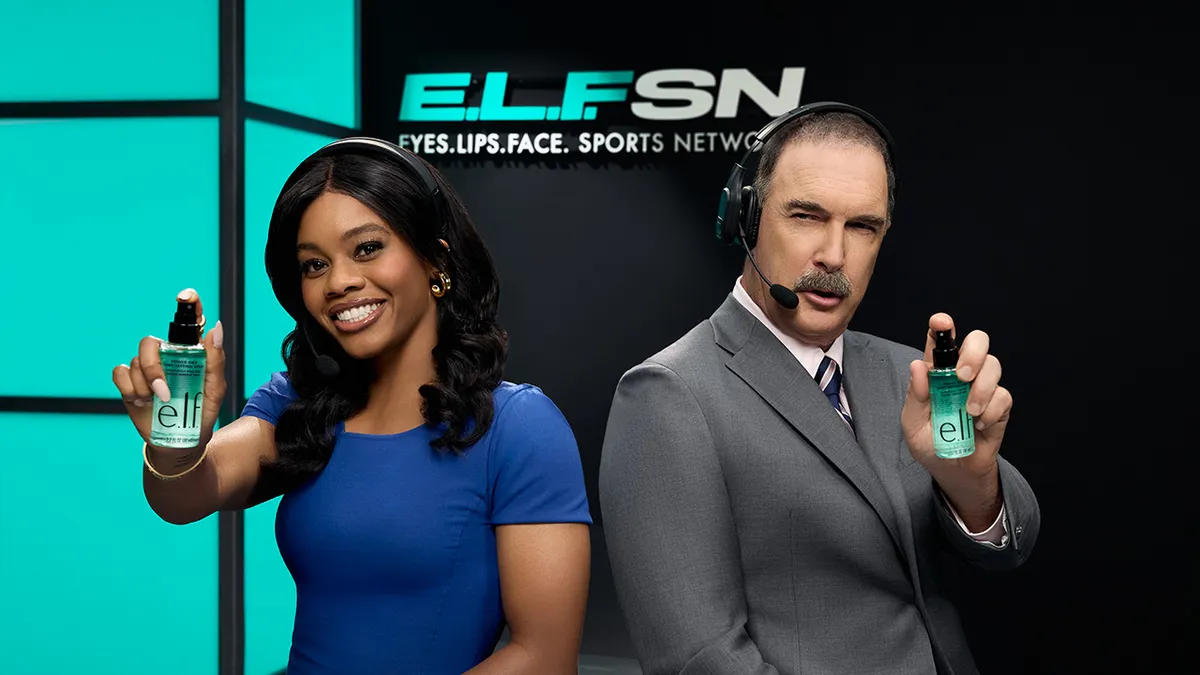
E.l.f. joins the ‘hot girl walk’ TikTok trend just in time for the Olympics.
E.l.f. has become the first official beauty partner of Hot Girl Walk, a fitness organization promoting movement among women, as shared with Marketing Dive. To celebrate the partnership, the cosmetics brand released a two-minute video parodying the style of televised sports competitions. Olympian Gabby Douglas and actor Patrick Warburton act as sportscasters in the clip, providing commentary on three different walkers as they compete. Developed in collaboration with agency Movers+Shakers, the parody incorporates a popular TikTok trend and leverages Olympic excitement. The “Hot Girl Walk Championship” parody aims to further establish E.l.f. as an entertainment brand. E.l.f. is leveraging a social media trend to promote its Power Grip Dewy Setting Spray through a sportscast-style parody. Douglas and Warburton appear side-by-side in a creative clip that highlights “hot girl walks” and Olympic hype. The parody includes a new sponsorship and product bundle, reinforcing E.l.f.’s identity as an entertainment brand. “The genesis of the Hot Girl Walk Championship is two-fold: first, our community and even our e.l.f. employees are enthusiastic about group walks; second, our community loves the makeup-gripping and staying power of Power Grip Dewy Setting Spray,” said Chief Brand Officer Laurie Lam in a statement. Hot Girl Walks, typically four miles long, focus on mindfulness. The parody depicts challenges such walkers face, such as leaf blowers, with Douglas and Warburton providing sports broadcast-style coverage. The “championship” winner used Power Grip Dewy Setting Spray to set their makeup before the walk. Hot Girl Walk creator and founder Mia Lind makes a cameo as a judge. To link the parody to real-life events, E.l.f. will sponsor a Hot Girl Walk event in Miami next month. This event will coincide with the launch of a Snapchat lens, enhancing the brand’s mobile channel efforts. E.l.f. has consistently embraced digital trends to engage younger consumers, recently launching a real-world commerce experience with Roblox, a gaming platform popular among young people. Last month, E.l.f. continued its push into entertainment-led marketing, especially in digital and TV, with an Animal Planet-style ad featuring British actress and activist Jameela Jamil. The company increased its marketing spending to 25% of net sales in fiscal 2024, a significant investment that has helped the brand attract young consumers and boost sales.