
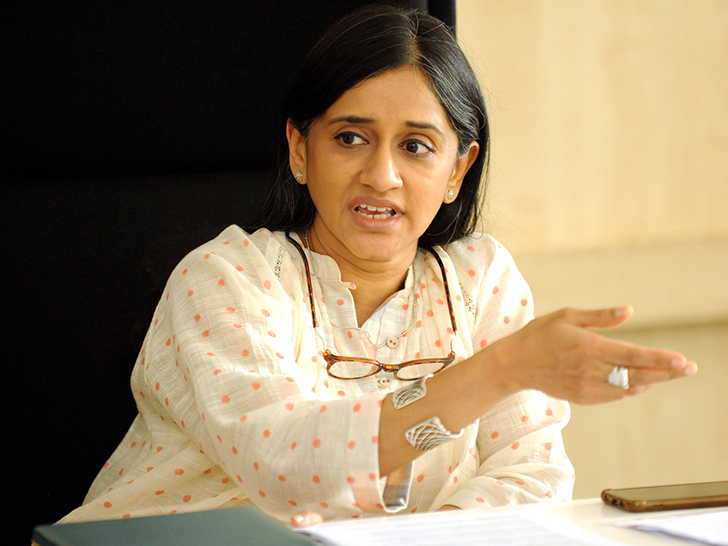
Whether it’s weekend gatherings with friends, a first date, or treating your family with your initial paycheck, Cafe Coffee Day used to be the go-to place where a few hours could transform into cherished memories. However, the shocking news of V G Siddhartha’s suicide in July 2019, the founder of India’s largest coffee shop chain, Cafe Coffee Day, cast a somber shadow over the nation. Siddhartha’s body was discovered on the riverbank after he jumped into the Netravati river near Mangalore. During his final moments, Siddhartha instructed his driver to stop the car on a bridge, promising to return shortly. When he failed to reappear after an hour, the driver called him, only to find that Siddhartha’s phone was switched off. Panicking, the driver informed Siddhartha’s elder son, initiating a search operation. Hailing from Karnataka, Siddhartha envisioned opening a coffee shop after observing the global coffee culture. Despite facing numerous challenges, the first Cafe Coffee Day opened its doors in 1996 at Brigade Road in Bangalore. Siddhartha’s suicide was suspected to be linked to a debt crisis and business losses, as indicated by a typewritten note released by ANI. In the note, he apologized for “failing to create the right profitable business model” and cited unbearable pressure from private equity partners, lenders, and harassment from the income tax department. Despite skepticism about the survival of Coffee Day after Siddhartha’s demise, Malavika Hegde, his wife, took over as CEO of Coffee Day Enterprises Ltd (CDEL) in December 2020. Facing a daunting debt of over Rs 7,000 crore in 2019, Malavika, a single mother of two, tirelessly worked to save CCD from disappearing. Born in Bengaluru in 1969, Malavika Hegde, the daughter of former Karnataka Chief Minister SM Krishna, married V G Siddhartha in 1991. Before becoming CEO, she served as a non-board member of CDEL for several years. In a letter to the company’s 25,000 employees in 2020, Hegde expressed her commitment to the company’s future, emphasizing that the Coffee Day story was “worth preserving.” Despite the challenges and grief, she vowed to reduce debt and grow the business. Under Malavika Hegde’s leadership, CCD witnessed a miraculous recovery, reducing its debt during the COVID lockdown. Despite challenges, she worked towards settling debts, growing the business, and upholding Siddhartha’s legacy. CDEL’s annual report in August last year revealed a substantial reduction in net debt to Rs 1,731 crore as of March 31, 2021, from Rs 7,200 crore in March 2019. Malavika’s goal is to transform CCD into a multi-billion dollar company without the burden of debt, expanding coffee day shops across the nation. Currently, CCD operates 572 cafes and 333 CCD Value Express kiosks across the country, with over 36,000 vending machines serving coffee to customers. Despite the challenges, CCD continues to contribute significantly to consolidated net revenue, with logistics and other businesses complementing its success.
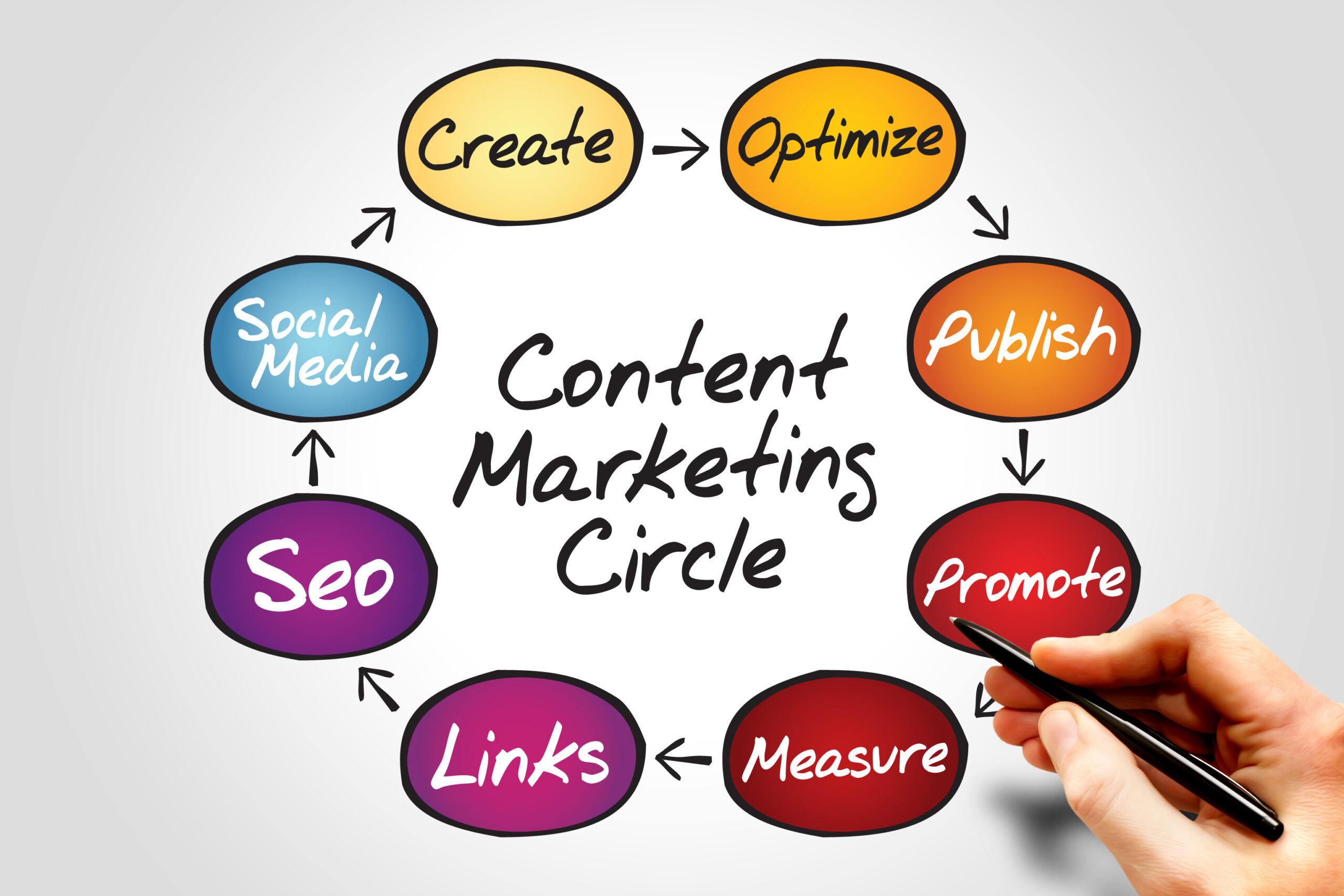
How do your content marketing skills impact your business?
Content marketing is a strategic method of creating and sharing valuable, relevant, and consistent content to attract and retain a clearly defined audience, ultimately driving profitable customer actions. The impact of your content marketing skills on your business spans across various crucial areas. Here are six key domains where your proficiency in content marketing can make a substantial difference: Audience Research:Effective content marketing begins with understanding your audience. This skill involves researching your target audience’s needs, challenges, goals, preferences, and content consumption habits. By developing buyer personas, customer journeys, and content maps, you can shape a content strategy that resonates with your audience, addressing their problems and fostering trust and loyalty.Content Creation:The ability to produce high-quality, engaging, and relevant content is paramount. Content creation encompasses not only writing but also editing, formatting, designing, and optimizing content for diverse formats, channels, and platforms. Creativity, originality, and consistency in style and tone are essential. Compelling content that educates, entertains, and inspires contributes to lead generation, conversions, and referrals.Content Distribution:Content creation is only part of the equation; effective distribution ensures your content reaches your audience at the right time and place. Distribution skills involve selecting optimal channels and tools—such as email, social media, blogs, podcasts, videos, and webinars—to amplify your content. Tailoring content for each channel, optimizing for search engines and user experience, and measuring performance are crucial to increasing visibility, traffic, and authority.Content Marketing Strategy:Content marketing necessitates a well-defined strategy aligned with business goals, vision, and values. Strategic skills involve planning, executing, and managing content efforts while aligning them with overall marketing and sales strategies. Defining objectives, key performance indicators (KPIs), budget, resources, and timeline, along with conducting content audits, gap analyses, and competitive analyses, ensure relevance, consistency, and effectiveness.Content Marketing Analytics:Content marketing is an ongoing process that demands continual monitoring and improvement. Analytics skills involve collecting, analyzing, and reporting data related to content performance, including traffic, engagement, conversions, retention, and return on investment (ROI). Proficiency in using various tools and metrics enables data-driven decisions, helping identify successful strategies and areas for optimization.Content Marketing Communication:Content marketing is collaborative, requiring effective communication with stakeholders such as team members, clients, partners, influencers, and the audience. Communication skills involve articulating content marketing goals, plans, results, and insights persuasively. The ability to listen to feedback, suggestions, and questions, and adapt communication style and tone to different situations, audiences, and channels, builds rapport, trust, and credibility.
AMUL and a case in marketing
Many of us first encountered Amul through the catchy tune of ‘Amul Doodh Peetha Hai India’ echoing from our television sets. Although we were quite young at that time, as we grew older, any variation of that tune never failed to stir a blend of memories. Established in 1946, Anand Milk Union Limited, popularly known as Amul, has become a household name in India. This cooperative society has successfully marketed a diverse range of dairy products nationwide, including milk, butter, cheese, and ice cream, making it a market leader in the dairy industry. Amul’s enduring success can be attributed to the quality of its products, continuous innovation, and notably, its inventive marketing strategies that have resonated with consumers. The brand’s advertisements, often infused with humor and catchiness, have played a pivotal role in building a loyal customer base. Even during the challenges posed by the Covid-19-induced lockdown, which affected many companies and disrupted their operations, Amul managed to achieve a turnover of Rs 53,000 crore. Additionally, the brand introduced 60 new products and donated Rs 800 crore to support rural farmers. Looking ahead to 2022, Amul aims to reach a turnover of Rs 60,000 crore and has set an ambitious target of achieving Rs 1 lakh crore in sales by 2025. This remarkable resilience and growth showcase Amul’s ability to adapt, innovate, and maintain its position as a beloved brand in the hearts of consumers.
The Amazing Story of Stripe
Certainly, here’s a rephrased version: In the year 2022, Stripe achieved an impressive revenue of $14 billion, offering valuable insights for product leaders. Here are ten key lessons to focus on: Facilitate Essential Customer Actions:Stripe’s inception in 2009 stemmed from a debate on simplifying online payments. The magic of Stripe lies in making essential customer actions, like payments, easy.Caution with Marketing and Sales Spending:Despite competing with giants like Braintree, Adyen, Google, and Amazon, Stripe, with a $20 million valuation in 2011, chose a cautious approach. Their sales team remained small, and marketing efforts were minimal.Embrace Platforms and Marketplaces:Recognizing the shift of commerce to online platforms, Stripe launched Connect in 2011, aligning with Paul Graham’s principle that a startup aiding others in making money will succeed.Deep Problem Solving:Despite becoming a unicorn in 2014, Stripe didn’t diversify its product offerings. Instead, it focused on sharpening its vision, strategy, and principles, excelling at solving core problems.Evolutionary Market Approach:Acknowledging the challenges as products move upmarket, Stripe adopted an “all-encompassing market service” strategy in 2015, serving various market segments effectively.Strategic Product Launches:Only in 2016 did Stripe introduce new products like Atlas, a platform for business incorporation, and Radar, a fraud management tool, illustrating the importance of launching when the time is right.Define a Clear North Star:In 2018, Stripe unveiled its North Star – the “Global Payments Treasury Network” (GPTN). This strategic direction remains central to Stripe’s vision, emphasizing focus amidst myriad product launches.Offline Expansion for Flywheel Enhancement:In 2018, Stripe introduced Stripe Terminal, extending its reach to offline merchants. This move aligns with a common e-commerce strategy seen with other successful brands.Geographical Scaling:In 2021, Stripe emphasized international expansion, adding 11 countries to its payments network and making its largest acquisition, PayStack, a Nigerian-focused company.Iterative Product Strategy:Stripe’s 17 products are a result of iterative product strategy, aiming to create multi-decade abstractions rather than ordinary products, showcasing their commitment to ambitious and lasting innovations.

11 SEO Trends And Changes That Will Impact Business
As the landscape of search engine optimization (SEO) continually evolves, staying abreast of the latest trends is crucial for businesses to navigate algorithm changes and enhance their online visibility. The following are some SEO trends and changes anticipated to shape online marketing strategies in the current year: Mobile SEO Dominance:Mobile SEO is increasingly pivotal, given the growing number of users conducting searches on mobile devices. Prioritizing mobile SEO ensures businesses cater to the mobile audience, a trend expected to intensify.Zero-Click Search Emphasis:Local search listings play a crucial role in the era of zero-click searches, where users find answers directly on the search engine results page (SERP). Establishing a robust backlink profile and leveraging Google My Business becomes imperative for local SEO.Rise of Voice Search:The advent of voice search is poised to revolutionize interactions with search engines. The ongoing integration of conversational sampling and AI advancements in pre-emptive question-answering shapes the future of SEO.Intent-Driven Content:Crafting content aligned with user intent remains a central trend in 2021. Best-in-class intent content, backed by smart keyword research and a focus on user needs, is essential for maintaining rankings and outperforming competitors.Buyer-Centric Approach:Beyond technical shifts, prioritizing content that is buyer-centric over self-focused sales copy is crucial. Addressing user concerns and providing valuable solutions enhances site performance and, consequently, search rankings.Integration of Video Content:Acknowledging the growing impact of YouTube on SEO, a video component in the SEO strategy becomes essential. Optimized videos targeting specific keywords, along with embedding them on relevant landing pages, contribute to improved search rankings.Core Web Vitals for User Experience:With a heightened focus on user experience, Core Web Vitals emerge as a significant ranking factor. Optimizing websites for quick loading, responsive design, and seamless mobile navigation is crucial for achieving top rankings in SERPs.Google’s SMITH Algorithm:The introduction of Google’s SMITH algorithm builds on BERT, enhancing Google’s understanding of longer, more in-depth content. This allows for the potential inclusion of multiple related topics on a single page, diverging from the conventional one-topic-per-page approach.Cumulative Layout Shift (CLS):CLS emerges as a major consideration for marketers, impacting user experience as site content shifts unexpectedly. As Google integrates CLS as a ranking factor in May, marketers need to be attentive to prevent detrimental effects on search results.Visual and Multimedia Elements:SEO today is influenced by context and engaging visuals, videos, and audio creatives. Attracting attention through compelling multimedia elements is crucial in a digital landscape where user attention is fragmented.High-Quality Backlinks:Quality surpasses quantity in the realm of backlinks, with a single high-quality backlink from a reputable news site holding more value than numerous low-quality links. Effective public relations efforts may outperform traditional SEO methods, emphasizing the importance of technical SEO and media relations. Staying attuned to these trends positions businesses to adapt their SEO strategies effectively and maintain a competitive edge in the dynamic online landscape.
Who is Dr Manivannan Selvaraj, founder of Kauvery Group of Hospitals?
Dr. Manivannan Selvaraj, the Founder and Managing Director of Kauvery Group of Hospitals, has established the institution as a highly reputable name in the healthcare sector, particularly in Tamil Nadu. Guided by three core pillars – Personal Communication, Process, and Technology, the group has evolved significantly since its inception. The journey commenced in 1999 with a modest 30-bed facility in Trichy, Tamil Nadu. Notably, the group’s expansion and progress reached a pivotal point in 2012 with the establishment of a key hospital in Chennai, now serving as the nerve center for the entire group. This transition from a small-town setting to an urban hub marked a new chapter in the group’s growth trajectory. Presently, Kauvery Group operates eight hospitals across seven locations, including prominent cities like Chennai and Bangalore. The latest milestone for Kauvery Hospital involves its prestigious role as the Medical Partner sponsor for the Tamil Nadu Premier League (TNPL) 2023. This collaboration underscores the shared commitment of Kauvery Hospital and TNPL to promote sports and cultivate a healthy sporting culture. Significantly, this marks the second consecutive year of their partnership, highlighting the enduring nature of their collaborative efforts.
Is $1.2Bn CarDekho Becoming a Unicorn Conglomerate?
In the past fortnight, InsuranceDekho, a sister company of CarDekho, successfully completed the acquisition of IRSS, following a substantial $150 million fundraising effort during the startup winter. The entrepreneurial journey of brothers Amit and Anurag, born on the same day but two years apart, reflects a striking resemblance. Both IIT Delhi graduates, they chose to deviate from their family’s jewelry business upon returning to Jaipur in 2007 to care for their grandparents. Recognizing that the family business wasn’t their calling, the brothers secured software development opportunities through former bosses, generating ₹10 million in revenue in the first year. While logical, doubling down on this business wasn’t their sole focus. Familiar with India’s growing consumer landscape, they reinvested profits into diverse experiments, including online astrology, silver jewelry, virtual stock trading, and eventually, car sales. CarDekho emerged as the successful venture. Similar to Zomato, CarDekho initially digitized car-related information, becoming the leading online platform for car details by 2010. Carmakers began advertising on their portal, and the platform evolved to sell leads for car purchases. By 2021, a staggering 85% of Indians visited CarDekho’s website before buying a car. Expanding beyond used car sales, CarDekho ventured into insurance with InsuranceDekho. CarDekho achieved unicorn status, with Amit making an appearance on Shark Tank and assuming a mentoring role for aspiring founders. The question now arises: Can CarDekho, along with its affiliated companies, create a unicorn conglomerate?

Marketing strategy of Doordash
DoorDash, a prominent food delivery platform, has crafted a comprehensive marketing strategy aimed at attracting, engaging, and retaining customers. Here are key elements of DoorDash’s marketing approach: Targeted Advertising:DoorDash heavily invests in targeted advertising across platforms such as social media, search engines, and online display ads. The focus is on reaching customers actively seeking convenient food delivery options.Referral Program:DoorDash employs a referral program that encourages existing customers to refer new users. This mutually beneficial program rewards both the referrer and the new customer with discounts or credits, leveraging word-of-mouth marketing to expand its user base.Partnerships with Restaurants:DoorDash collaborates with popular restaurants, offering incentives for them to join the platform. By partnering with well-known brands, DoorDash attracts customers seeking specific restaurants, expanding its network and service offerings.Exclusive Deals and Promotions:DoorDash runs frequent promotional campaigns, providing discounts, free delivery, or special deals. These time-limited promotions, often tied to events or holidays, entice customers to choose DoorDash over competitors and encourage repeat orders.Personalized Recommendations:DoorDash utilizes data and user preferences to offer personalized recommendations. Analyzing past orders, search history, and location data enables DoorDash to suggest restaurants and dishes aligned with individual preferences, enhancing customer satisfaction and engagement.Social Media Presence:Maintaining an active presence on various social media platforms, including Facebook, Twitter, Instagram, and YouTube, DoorDash engages with its audience. Social media is used to share updates, promote offers, showcase appealing food imagery, and collaborate with influencers to extend reach.Community Engagement:DoorDash actively engages with local communities through sponsorships, support for charitable causes, and collaborations with local organizations. This community involvement aims to build trust, enhance brand image, and establish loyalty among customers. DoorDash’s overall marketing strategy is designed to position itself as a leading choice in the competitive food delivery market. Through targeted advertising, referral programs, personalized recommendations, and community engagement, DoorDash seeks to differentiate its brand and maintain a strong presence in the industry.
Peter Deng is the newly appointed Head of Product for ChatGPT.
Peter Deng embarked on his professional journey in 2006, commencing at Google during a transformative period marked by the company’s IPO in 2004 and the subsequent acquisitions of YouTube in 2006 and DoubleClick in 2007. This period at Google served as a valuable learning experience. In 2007, Peter transitioned to Facebook, immersing himself in another dynamic learning environment. His responsibilities encompassed diverse areas such as Chat, Events, Groups, and News Feed. By 2013, Deng assumed the role of Head of Product at Instagram, where he played a pivotal role in its growth from a modest team of 50 individuals to a platform boasting hundreds of millions of users. Following his successful stint at Instagram, Peter moved to Oculus in 2015, taking on the responsibility of leading product development for new acquisitions under Mark Zuckerberg’s guidance. In 2017, after a decade-long tenure at Facebook, Peter transitioned to Uber, assuming the role of Head of Rider. Here, he spearheaded all consumer product initiatives and played a key role in the company’s IPO. More recently, Peter served as the Chief Product Officer at Airtable, contributing to the company’s fundraising success with a valuation reaching $10 billion. After two years, he departed from Airtable. In a significant announcement today, Peter revealed his new role as the Head of Product at OpenAI. Given his illustrious history, there is anticipation that OpenAI’s roadmap for ChatGPT will be marked by even greater ambition under his leadership.
Performance marketing and social media
Many Founders/Marketers often perceive Social Media Optimization and Performance Marketing as separate endeavors. If your Social Media Management and Performance Marketing operate independently, you may not be maximizing your returns. The true potential of both emerges when they are integrated. 🤝 Performance marketing is commonly misconceived as merely spending money to acquire users. In reality, it begins by analyzing organic user behavior and preferences, then leveraging paid media to tap into those insights. Combining Performance Marketing and Social Media yields several benefits: 1️⃣ Expand Your Reach: Social media is an ideal platform to amplify your brand’s message, engage with your target audience, and cultivate a loyal community. However, without measurable results, reach alone may not be effective. Performance marketing ensures that social media efforts translate into tangible outcomes. 🔥 2️⃣ Data-Driven Decision Making: Social media provides valuable data on audience preferences, behavior, and engagement. Performance marketing techniques allow you to leverage this data to refine targeting, optimize campaigns, and achieve better conversion rates. 3️⃣ Seamless Customer Journey: In a customer-centric world, providing a seamless experience is crucial. Social media creates awareness and connections, while performance marketing guides users through the entire customer journey. Integration ensures a consistent and engaging experience from discovery to conversion. 4️⃣ Unlock #Remarketing Opportunities: Social media platforms offer robust remarketing capabilities. Combining them with performance marketing strategies allows you to re-engage users interested in your brand. Tailored ads and personalized messages to this warm audience increase conversion likelihood and boost ROI. 🎯 5️⃣ Testing and Iteration: Digital marketing’s beauty lies in flexibility and quick iteration. Social media allows testing different creatives, messaging, and audience segments. Performance marketing analyzes results, enabling campaign optimization. Constant iteration helps find a winning formula that delivers exceptional results.