

Bill Gates’s journey unfolds as follows: Early Life and Education (1955-1975): Born in Seattle, Washington, Gates showed an early interest in computer programming, learning BASIC at a young age.Attended Harvard University but dropped out in 1975 to pursue software development and computers. Founding Microsoft (1975-1981): Teamed up with Paul Allen in 1975 to create Microsoft, initially focused on software for microcomputers.Secured a pivotal contract with IBM in 1980 to provide an operating system, leading to the creation of MS-DOS. Rise to Prominence (1981-2000): Microsoft’s success soared with the widespread use of personal computers.Launched Windows in 1985, becoming the dominant PC operating system.Extended dominance to applications like Microsoft Office, making Gates one of the world’s wealthiest individuals by the late 1990s. Antitrust Battles (1998-2001): Regulatory scrutiny led to a U.S. Department of Justice antitrust lawsuit against Microsoft in 1998.Settlement in 2001 imposed restrictions on Microsoft’s business practices. Philanthropic Work (2000s-Present): Stepped down as Microsoft’s CEO in 2000 to focus on philanthropy.Established the Bill & Melinda Gates Foundation in 2000, addressing global issues like health, education, and poverty. Post-Microsoft Ventures (2006-Present): Continued involvement with Microsoft as chairman and chief software architect until 2006.Ongoing philanthropic efforts through the Gates Foundation, addressing global challenges like malaria, polio, and education. Personal Life and Transition (2019-Present): In 2019, announced divorce from Melinda Gates after 27 years of marriage.Despite personal changes, both continue to co-chair the Gates Foundation and collaborate on philanthropic initiatives. Bill Gates’ legacy is marked by his instrumental role in the personal computing industry’s rise and his substantial contributions to technology and global philanthropy. His influence continues to shape various sectors, leaving an enduring impact on the world.

Marketing mantra of Flipkart
Flipkart employs a multifaceted approach to promotional channels as part of its dynamic marketing strategy: Social Media Marketing:Flipkart harnesses the power of social media with a substantial presence on platforms like Facebook, Instagram, and Twitter. With millions of followers across these channels, Flipkart leverages its social media handles for various product categories, engaging with customers through feedback, queries, and reviews. The company utilizes emotional storytelling in its social media campaigns, fostering trust and a strong customer-community relationship.Affiliate Marketing Tactics:Utilizing a performance-based advertising model, Flipkart engages in affiliate marketing. Associates are tasked with promoting Flipkart’s products and receive a percentage of the profit from sales. The commission structure ranges from 5 to 15%, varying based on the product category. This strategy enables Flipkart to extend its reach through affiliates who market products via blogs, videos, and other platforms.Innovative Marketing Campaigns:Flipkart amplifies its sales through creative marketing campaigns featuring distinctive taglines such as “Itne May Itnaaaa Milegaa” and “Gen E, Let’s Raise a Generation of Equals.” These campaigns employ emotional, joyful, or vibrant messaging to resonate with diverse sections of society.Productive and Eye-Catching Advertisements:Recognizing the psychological impact of advertisements, Flipkart strikes a balance between celebrity endorsements and relatable faces to establish a down-to-earth image. The company tailors ads to align with cultural nuances, festivals, and the diverse flavors of India. Special occasions like independence day, woman’s day, or children’s day are marked with attractive price cuts to appeal to specific customer segments.Personal Touch and Commoner’s Brand Image:Flipkart prioritizes a personal touch in its approach, ensuring surprise deliveries by founders and creating gift packs for special customers on significant days. While capitalizing on India’s Bollywood obsession, the company is evolving its image to resonate with the OTT generation, utilizing lesser-known faces for a more relatable brand image.Google Ads for Sales Boost:Acknowledging the prevalence of customer searches on Google, Flipkart strategically invests in Google Ads. Targeting search and shop promotions, the company focuses on relevant keyword combinations to enhance visibility. SEO copyright strategies are employed to secure top search engine rankings, ensuring Flipkart’s presence at various stages of the customer’s online journey.

Airbnb and a case in Marketing
Airbnb employed savvy strategies that, although not directly focused on SEO, significantly influenced its organic search presence: User-Generated Content (UGC):Airbnb’s platform relies heavily on UGC, including property descriptions, reviews, and photos. This abundance of authentic content appeals to search engines, offering relevant and up-to-date information for potential travelers. UGC also fosters social sharing and linking, providing an additional boost to Airbnb’s online visibility.Local SEO and Long-Tail Keywords:Airbnb strategically utilizes local SEO by targeting specific cities, neighborhoods, and regions. Optimization for long-tail keywords, such as “vacation rental in Paris near Eiffel Tower,” enables the capture of more focused traffic. The uniqueness of each property listing often results in favorable rankings for property-specific searches.High-Quality Images and User Experience:Prioritizing high-quality images for property listings not only enhances the overall user experience but also attracts and retains potential guests. Positive user behavior metrics, including low bounce rates and high engagement, indirectly contribute to SEO rankings.Content Marketing and Storytelling:Airbnb has invested in content marketing and storytelling to engage users and elevate its brand. Features like travel guides, local recommendations, and compelling stories about unique stays serve to attract organic traffic and garner backlinks from reputable websites.Mobile Optimization:Recognizing the surge in mobile usage, Airbnb ensures that its website and app are optimized for mobile devices. This commitment to mobile-friendliness enhances user experiences, indirectly impacting SEO rankings as search engines increasingly prioritize mobile-friendly sites. It’s crucial to emphasize that while SEO may not be Airbnb’s primary growth driver, these strategic approaches have played a pivotal role in enhancing the company’s online visibility and brand recognition. Airbnb’s global success in the travel and hospitality industry stems from a blend of innovative business strategies, exceptional user experiences, and effective marketing initiatives.
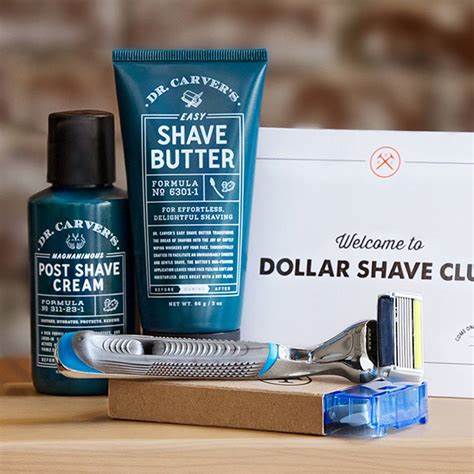
Dollar shave club’s founder story
Dollar Shave Club’s story originates with its founder, Michael Dubin. Born on August 19, 1978, in Bryn Mawr, Pennsylvania, Michael’s entrepreneurial spirit was cultivated during his upbringing. He pursued studies in history at Emory University, graduating in 2001. Post-college, Michael ventured into various fields, including marketing and advertising, working as a copywriter and even trying his hand at stand-up comedy. His experiences in advertising and his storytelling acumen became pivotal in the eventual success of Dollar Shave Club. The concept for Dollar Shave Club took shape in 2010 during a conversation between Michael Dubin and his friend Mark Levine. Their discussion revolved around the inconvenience and expense of purchasing razor blades from traditional retail outlets. Michael identified an opportunity to disrupt the shaving industry, traditionally dominated by major brands like Gillette and Schick. Convinced he could offer a more convenient and economical solution, Michael envisioned selling high-quality razors directly to consumers through a subscription-based model. His goal was to simplify the razor-buying process, making it more affordable and enjoyable. In 2011, Michael co-founded Dollar Shave Club with Mark Levine, officially launching the company in March 2012. The brand’s initial product was a witty and viral marketing video, titled “Our Blades Are F***ing Great,” personally written and starring Michael. The video showcased his comedic prowess and effectively communicated the brand’s message. The video’s virality led to widespread attention, with customers flocking to sign up for Dollar Shave Club’s subscription service. The company’s website experienced a significant traffic surge, selling out of its initial inventory within hours. Dollar Shave Club’s subscription model allowed customers to choose from various razor options, receiving monthly blade deliveries at an affordable price. This direct-to-consumer approach challenged traditional retail models and appealed to consumers seeking a convenient and cost-effective shaving solution. Buoyed by the success of the video and positive word-of-mouth, Dollar Shave Club achieved rapid growth. In a few short years, the company expanded its product line beyond razors to include other grooming and personal care items. In July 2016, Unilever recognized Dollar Shave Club’s potential and acquired it for a reported $1 billion. The acquisition allowed Dollar Shave Club to leverage Unilever’s resources while maintaining its identity as a standalone brand. Under Michael Dubin’s leadership, the brand continued to flourish, known for its humorous marketing, quality products, and commitment to customer satisfaction. While stepping down as CEO in 2019, Michael remained involved in the company’s strategic direction. Dollar Shave Club’s success and Michael Dubin’s entrepreneurial journey exemplify how creativity, innovation, and compelling storytelling can disrupt industries and establish a beloved brand with a global consumer appeal.
Marketing options in Linkedin
LinkedIn provides various marketing options to assist businesses in reaching their desired audience and accomplishing their marketing objectives. Below are some prevalent marketing choices available on LinkedIn: Sponsored Content: This feature enables the promotion of company updates, articles, or posts to a specific audience beyond existing followers. It seamlessly integrates into users’ feeds, resembling organic content but is marked as “Sponsored.”Sponsored InMail: Through Sponsored InMail, personalized messages can be sent directly to the LinkedIn inboxes of the target audience. This proves effective for delivering tailored content or personalized offers.Display Ads: LinkedIn offers display advertising in diverse formats, such as banner ads and side-panel ads, displayed on the LinkedIn website. These ads can be directed based on audience demographics, job titles, industries, etc.Dynamic Ads: Dynamic Ads automatically customize ad content for each viewer, incorporating their profile picture, name, and other pertinent information. This approach enhances engagement and fosters a more personalized experience.LinkedIn Lead Gen Forms: These forms facilitate the collection of leads directly within LinkedIn. Clicking on an ad triggers a pre-filled form with the user’s LinkedIn profile information, streamlining the submission process.LinkedIn Company Page: Maintaining an active and engaging LinkedIn Company Page is crucial, serving as the central hub for your business on LinkedIn. It allows sharing updates, news, job openings, and more.LinkedIn Showcase Pages: These pages extend your Company Page, enabling the promotion of specific products, services, or initiatives to a targeted audience.LinkedIn Groups: While not a direct advertising feature, participating in relevant LinkedIn Groups within your industry can establish thought leadership and foster engagement with potential customers.LinkedIn Events: For hosting online or offline events, creating and promoting them on LinkedIn Events ensures reaching a relevant audience.LinkedIn Analytics: Leveraging LinkedIn’s built-in analytics tools provides valuable insights into ad and company page performance. This aids in understanding the effectiveness of marketing efforts. Success in LinkedIn marketing campaigns hinges on clearly defining objectives, understanding the target audience, creating compelling content, and consistently monitoring and optimizing campaigns based on performance data.
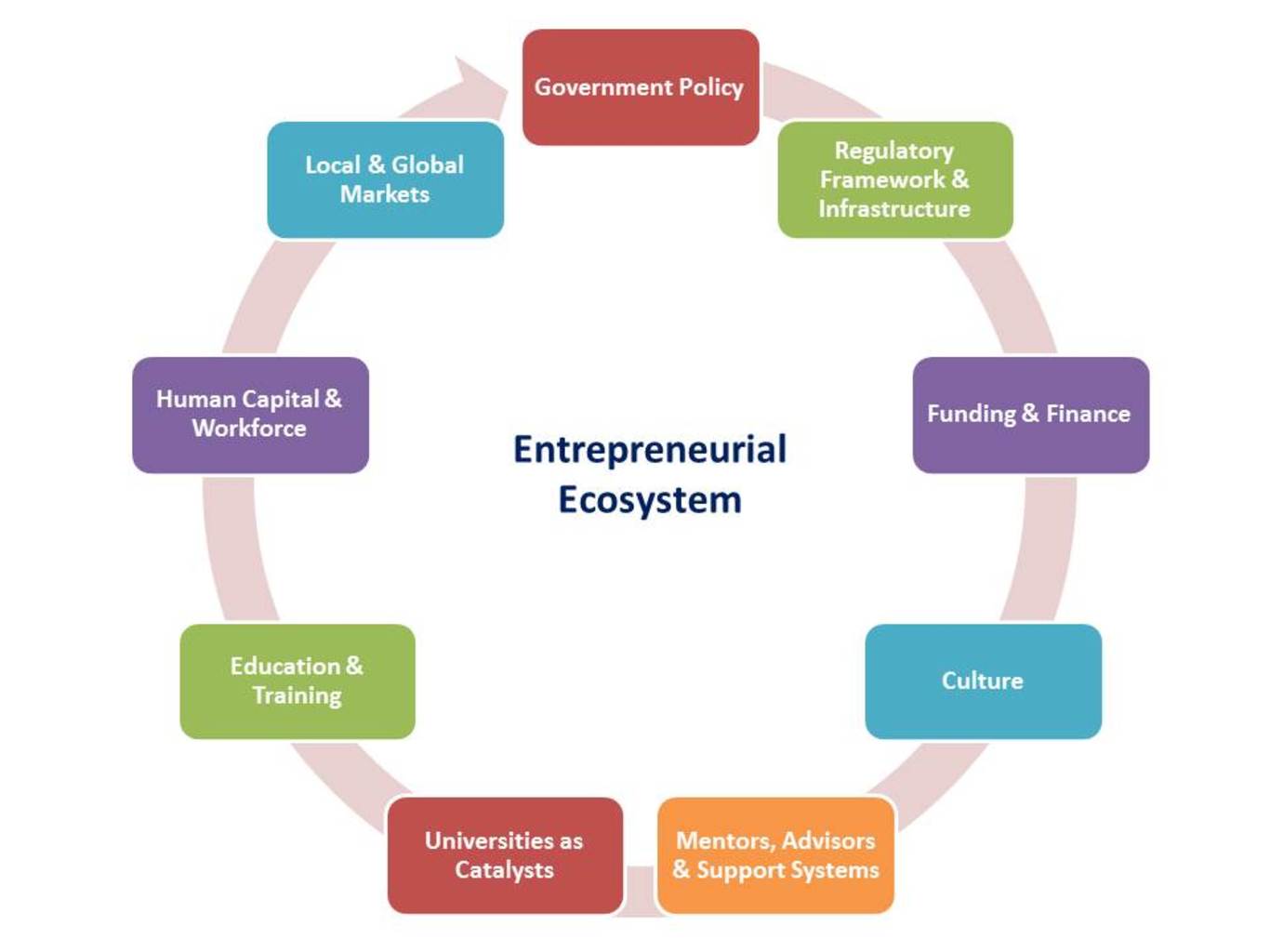
Entrepreneurial Ecosystems: A Comparative Analysis of Facilities in the USA vs. India
Entrepreneurship serves as a cornerstone for vibrant economies, driving innovation, employment generation, and economic prosperity. The United States and India have emerged as pivotal hubs for entrepreneurial endeavors, each providing distinct facilities and support systems to cultivate startups and small businesses. This blog aims to explore the entrepreneurial landscapes in both countries, drawing comparisons between the USA and India. Funding Opportunities: USA: Renowned for its robust venture capital ecosystem, the United States, particularly Silicon Valley, stands as a hub for technology startups. Entrepreneurs benefit from a diverse array of funding sources, including angel investors, venture capitalists, and private equity firms, making the USA an enticing destination for international startups. India: While India’s venture capital industry is rapidly expanding, it hasn’t reached the maturity level of the USA’s. Government initiatives like Startup India and the presence of angel investor networks have enhanced funding accessibility, showcasing the nation’s commitment to supporting entrepreneurial ventures. Regulatory Environment: USA: With a regulatory landscape favoring entrepreneurs, the USA is known for its business-friendly environment. Easy business initiation, streamlined operations, and supportive bankruptcy laws contribute to its reputation as an entrepreneur-friendly nation. India: Historically, India’s regulatory framework has been intricate and bureaucratic, posing challenges for startups. Acknowledging this, the Indian government has undertaken efforts to simplify regulations, fostering a more conducive environment for business operations. Infrastructure and Support: USA: Offering a well-developed infrastructure, the USA provides entrepreneurs with access to top-tier research institutions, co-working spaces, and startup incubators. These resources facilitate mentorship, networking, and access to vital support systems. India: In recent years, India has seen a surge in incubators, accelerators, and co-working spaces, complemented by a burgeoning talent pool, particularly in the tech sector. These factors contribute to a favorable environment for startups. Market Size and Opportunities: USA: Boasting a vast domestic market and a diverse consumer base, the United States is an attractive destination for entrepreneurs seeking rapid business expansion. Opportunities for partnerships and collaborations with multinational corporations and tech giants further enhance its appeal. India: With a population exceeding 1.3 billion, India presents a massive market. A growing middle class and increased internet penetration create a demand for innovative products and services. However, navigating the market’s complexity due to cultural and regional diversity poses unique challenges. Intellectual Property Rights: USA: Well-established intellectual property protection laws in the USA provide entrepreneurs with a solid foundation to safeguard their innovations. This legal framework encourages investments in research and development. India: While India has made progress in intellectual property rights protection, challenges persist. Entrepreneurs must diligently secure patents and trademarks to shield their innovations from potential infringements. Conclusion: Both the USA and India offer tailored facilities and support systems for entrepreneurs, addressing their specific needs and challenges. The USA’s mature venture capital ecosystem and business-friendly regulations have long attracted startups, while India’s burgeoning startup culture and expansive domestic market present unique opportunities. The decision to establish a startup in either country depends on various factors, including business nature, target market, and funding accessibility. Regardless of location, determined entrepreneurs can find success by leveraging the resources provided by each ecosystem.

Facebook Threads, an Introduction
Following the swift attainment of 100 million sign-ups within a week, Meta’s recently launched app, Threads, has undergone a software update tailored for users of iOS 17. Rolled out by Meta’s Instagram team on July 5, Threads, positioned as a text-based conversation app and dubbed a potential rival to Twitter, garnered rapid popularity. An update, observed by TechCrunch, includes a bug fix for the iOS 17 beta aimed at preventing Threads from crashing, particularly when users attempted to attach photos, which had caused issues leading to workarounds like copy and paste. Additional updates involve profile adjustments and a feature allowing users to double-tap for searches. The user count for Threads continues to surge. Mark Zuckerberg shared the achievement, stating, “Threads reached 100 million sign-ups over the weekend,” emphasizing organic demand without significant promotional efforts. Adam Mosseri, Instagram’s head, expressed astonishment at the surge in sign-ups, committing to enhancing the app further. While the rapid sign-up rate doesn’t guarantee sustained usage, the milestone is significant. To provide context, OpenAI’s ChatGPT achieved 100 million monthly active users in two months, Twitter had 259 million daily active users by the end of 2022, and Instagram boasts 1.39 billion daily active users. Joining Threads is straightforward, requiring users to sign in with Instagram credentials, retaining their username, followers, and verification status. Despite the platform’s development reportedly starting in January, Threads’ launch coincides with Twitter’s temporary limits on daily tweet reading, prompting users to seek alternatives like Mastodon and Bluesky. Threads offers users the option to post text, videos, and photos, engaging in real-time conversations. For more details on joining Threads and available features, read on. Meanwhile, Meta’s application of AI for feed organization is explored. Threads, created by Meta’s Instagram team, enables users to publish short posts of up to 500 characters, incorporating links, photos, or videos up to five minutes long. Integrated with Instagram accounts, users can seamlessly share Threads posts to Instagram stories or as links on other platforms. The feed includes content from Instagram or Threads connections, along with recommendations. The app allows filtering specific words and controlling who can mention you. Threads is free and accessible on the App Store (iOS) and Play Store (Android). While it launched in over 100 countries, its European Union release faced delays due to reported data-sharing concerns, and Meta is said to be blocking EU attempts to access Threads via VPN, citing additional steps to restrict access at this time.
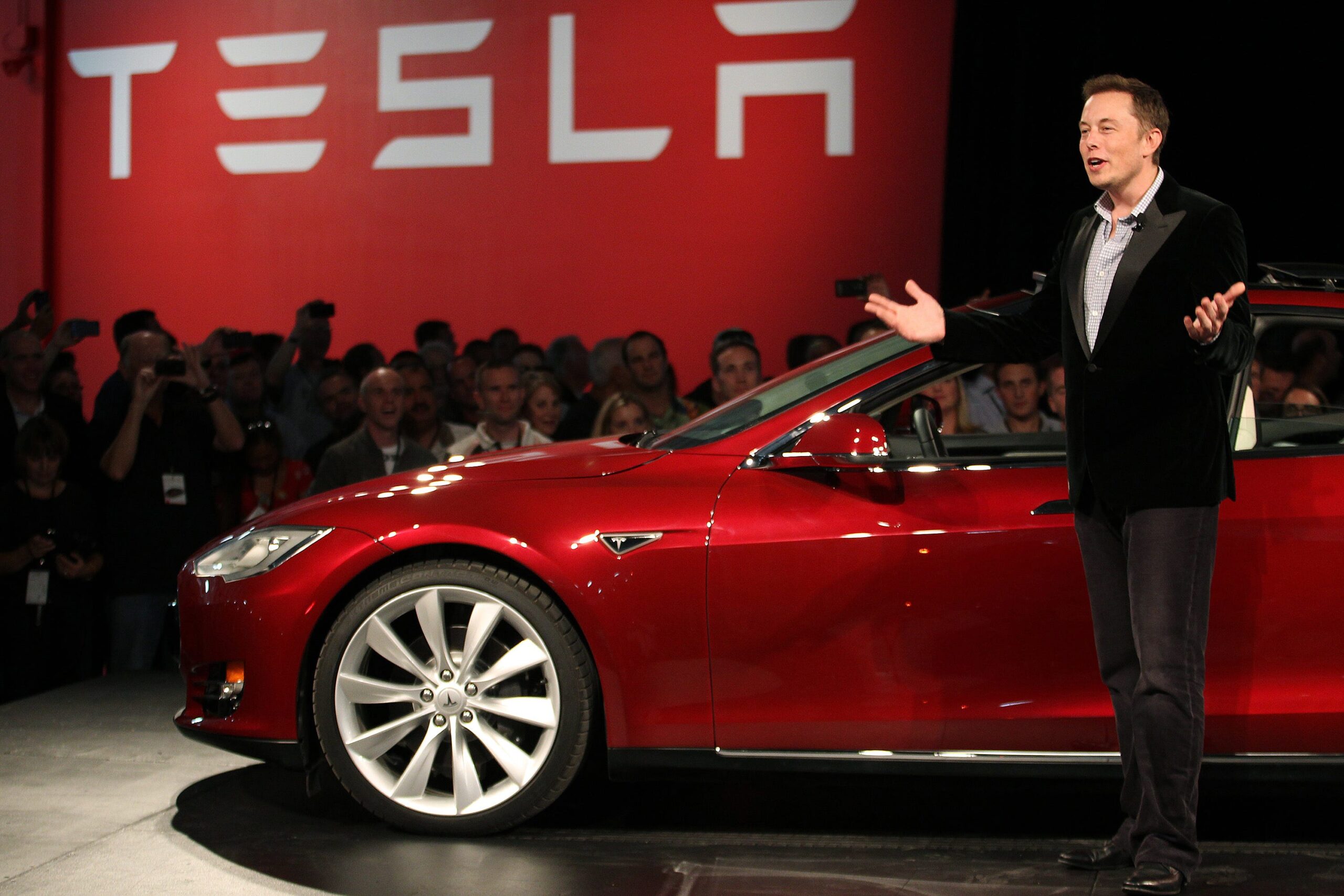
Man aiming to MARS : Elon Musk
Elon Musk’s entrepreneurial journey is a tale of inspiration, innovation, and unyielding determination. Born on June 28, 1971, in Pretoria, South Africa, Musk displayed early signs of entrepreneurial zeal. Here is a summary of his remarkable journey: 1. Zip2 Corporation (1995-1999):In 1995, Musk co-founded Zip2, a software company providing business directories and maps for newspapers. Securing funds from various investors and forming partnerships with major media companies, Musk’s venture achieved significant success when Compaq acquired Zip2 in 1999 for approximately $307 million, marking Musk’s initial financial triumph. 2. X.com and PayPal (1999-2002):Utilizing the proceeds from Zip2’s sale, Musk founded X.com, an online payment company that later transformed into PayPal. In 2002, eBay acquired PayPal for $1.5 billion in stock, earning Musk around $165 million. This financial boost paved the way for Musk’s future ventures. 3. SpaceX (2002-present):In 2002, Musk established SpaceX with the audacious aim of reducing space transportation costs and advancing space exploration. Despite challenges and setbacks, Musk’s determination led SpaceX to achieve significant milestones, including the first successful launch of the Falcon 1 in 2008. SpaceX has since become a pioneering force, achieving feats like reusable rocket landings and ambitious plans for Mars exploration. 4. Tesla, Inc. (2004-present):Joining Tesla Motors in 2004, Musk took on roles as chairman, CEO, and product architect. Under his leadership, Tesla gained prominence in the electric vehicle industry, producing iconic models like the Roadster, Model S, Model X, Model 3, and Model Y. Tesla has become a leader in sustainable transportation and renewable energy solutions. 5. SolarCity (2006-2016):Musk co-founded and invested significantly in SolarCity, a solar energy services company dedicated to providing affordable solar power solutions. In 2016, Tesla acquired SolarCity, integrating solar energy and energy storage solutions with Tesla’s electric vehicles. 6. OpenAI (2015-present) and Neuralink (2016-present):Beyond automotive and space ventures, Musk has been involved in projects like OpenAI, an artificial intelligence research lab focused on promoting AI for humanity’s benefit, and Neuralink, a neurotechnology company aiming to develop brain-computer interfaces. Throughout his journey, Musk has confronted challenges and criticism, showcasing a unique ability to envision ambitious goals, embrace innovation, and tackle seemingly insurmountable problems. His focus on renewable energy, space exploration, and the potential of artificial intelligence has positioned Musk as one of the most influential and admired entrepreneurs of his generation.
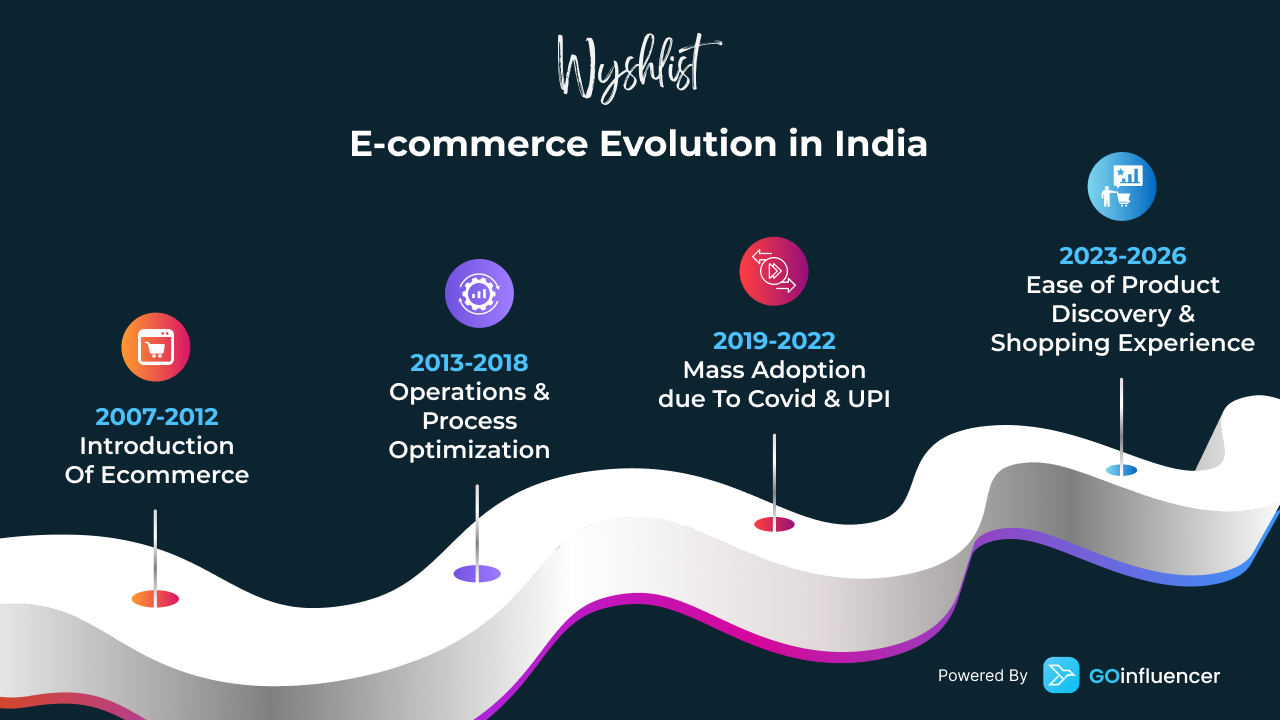
Evolution of ecommerce
Introduction: In the dynamic landscape of the digital era, e-commerce has revolutionized the realms of shopping and business transactions. Witnessing a remarkable evolution over the years, e-commerce websites have adeptly adjusted to evolving technologies, shifting consumer preferences, and dynamic market demands. From their modest beginnings as rudimentary online stores to the present sophisticated platforms delivering seamless shopping experiences, let’s embark on an exploration of the captivating journey encompassing the evolution of e-commerce websites. The Emergence of Online Stores:The inception of e-commerce websites can be traced back to the late 1990s, marked by the entry of trailblazers like Amazon and eBay. These pioneers introduced basic online stores, enabling customers to peruse and purchase products via the internet. Although characterized by text-based interfaces and limited functionalities, these early e-commerce websites laid the groundwork for the subsequent e-commerce revolution. Enhanced User Experience and Design:As internet speeds improved and technology progressed, e-commerce websites shifted their focus towards enhancing user experience and aesthetics. The advent of HTML and CSS ushered in visually appealing website designs, featuring vibrant layouts, captivating product images, and intuitive navigation. User-centric features like search bars, filters, and shopping carts were introduced, simplifying the process for customers to discover and acquire products. Mobile Commerce and Responsive Design:The ubiquity of smartphones and tablets prompted e-commerce websites to swiftly adapt to cater to the burgeoning mobile audience. Responsive design became imperative, ensuring websites seamlessly adapted to diverse screen sizes and resolutions. This mobile optimization empowered users to engage in on-the-go shopping, leading to a significant transformation in consumer behavior and an exponential surge in mobile commerce. Personalization and Recommendations:To elevate the shopping experience, e-commerce websites began harnessing customer data to offer personalized recommendations. Through the analysis of purchase history, browsing patterns, and demographic information, websites could suggest pertinent products, curate personalized offers, and furnish tailored content. This personalization not only heightened customer satisfaction but also contributed to increased conversion rates and enhanced customer loyalty. Integration of Social Media and Influencer Marketing:The advent of social media platforms reshaped the e-commerce landscape, prompting websites to integrate social media buttons. This enabled customers to effortlessly share products, reviews, and recommendations within their networks. Simultaneously, influencer marketing gained momentum, with brands collaborating with popular social media personalities to amplify product promotion, augmenting brand awareness and driving sales. Seamless Checkout and Payment Solutions:A pivotal facet of e-commerce websites, the checkout process underwent refinements over time, streamlining experiences and minimizing cart abandonment rates. Features such as guest checkout, saved payment information, and diverse payment options (credit cards, digital wallets, etc.) simplified the purchasing journey. Additionally, the incorporation of secure payment gateways and SSL certificates instilled trust and confidence among online shoppers. Augmented Reality (AR) and Virtual Reality (VR):Advancing technology facilitated the integration of AR and VR into e-commerce websites, providing immersive shopping experiences. AR empowered customers to visualize products in real-world settings, aiding informed purchase decisions. On the other hand, VR facilitated the creation of virtual showrooms, enabling customers to explore products and environments virtually before making a purchase. These technologies bridged the gap between physical and online shopping, enriching customer engagement. Artificial Intelligence (AI) and Chatbots:The infusion of AI into e-commerce websites revolutionized customer service and support. AI-powered chatbots delivered instantaneous assistance, addressing queries, resolving issues, and providing product recommendations. Machine learning algorithms analyzed customer data, refining search results, personalizing experiences, and detecting fraudulent activities. AI also played a pivotal role in inventory management, demand forecasting, and optimizing supply chains. Conclusion: The evolution of e-commerce websites stands as a remarkable journey, fueled by technological advancements and evolving consumer expectations. Transitioning from rudimentary online stores to sophisticated platforms delivering seamless shopping experiences, e-commerce websites have fundamentally transformed the dynamics of buying and selling products. With ongoing innovations in artificial intelligence, augmented reality, and mobile technologies, the trajectory of e-commerce websites points towards a future characterized by even more personalized, immersive, and convenient shopping experiences.
Entrepreneurial journey of Steve jobs
Steve Jobs, the co-founder of Apple Inc., embarked on an influential entrepreneurial journey that reshaped industries and left an enduring impact on technology and design. Here is an overview of his remarkable journey: Early Years:Born on February 24, 1955, in San Francisco, California, Steve Jobs co-founded Apple Computer, Inc. (now Apple Inc.) in 1976, alongside Steve Wozniak and Ronald Wayne. The company’s inaugural product, the Apple I, was a single-board computer designed by Wozniak. Apple’s Early Success:The breakthrough for Apple came with the launch of the Apple II in 1977, a highly successful personal computer that established the company as a prominent player in the emerging industry. The Apple II’s user-friendly design and advanced features marked a significant achievement. Lisa and Macintosh:In the early 1980s, facing competition from IBM, Jobs led the development of the Lisa, a revolutionary but expensive computer. Despite technical advancements, the Lisa struggled commercially. Jobs then shifted focus to the Macintosh, launched in 1984, featuring a graphical user interface and a mouse, making it more accessible. Departure from Apple and NeXT:A power struggle within Apple led to Jobs’ departure in 1985. Unfazed, he founded NeXT Inc., focusing on high-end workstations. Although NeXT’s hardware faced challenges, its software, including the NeXTSTEP operating system, laid the foundation for Apple’s future macOS. Pixar Animation Studios:In 1986, Jobs acquired Lucasfilm’s computer graphics division, establishing Pixar Animation Studios. Initially in hardware and software, Pixar pivoted to computer-animated feature films. Under Jobs’ leadership, Pixar produced acclaimed movies and, following a merger with Disney in 2006, Jobs became Disney’s largest individual shareholder. Return to Apple and Renaissance:By 1996, Apple was struggling, prompting the acquisition of NeXT Inc. for $429 million. Jobs returned as an advisor, eventually becoming interim CEO in 1997 and later the permanent CEO in 2000. He revitalized Apple, introducing groundbreaking products like iMac, iPod, iTunes, iPhone, and iPad, transforming the company into a global powerhouse. Legacy and Impact:Jobs’ emphasis on intuitive design, user experience, and seamless integration of hardware and software became synonymous with Apple products. His visionary leadership reshaped personal computing, music distribution, smartphones, and tablets. Despite his passing on October 5, 2011, Steve Jobs’ legacy continues to inspire entrepreneurs worldwide, serving as a testament to the power of vision, persistence, and pushing technological boundaries.