Your website has useful content and attractive pages, but it still struggles to appear in Google Search. Should you improve the website itself or focus on getting links from other websites?
This is where understanding On-Page vs Off-Page SEO becomes important.
Both strategies support search visibility, but they work differently. Knowing when to use each helps businesses plan their SEO efforts more effectively.
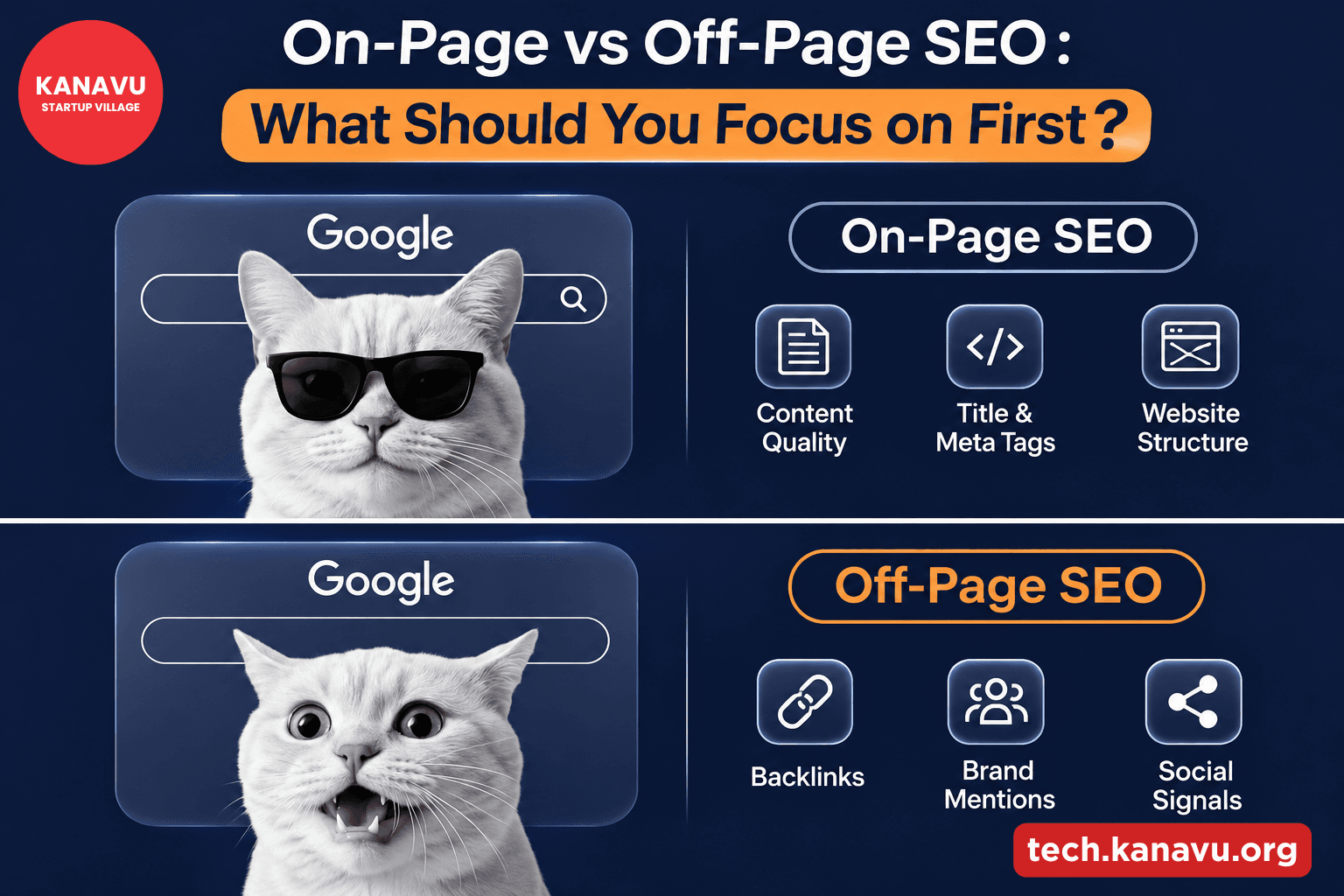
What Is On-Page SEO?
On-Page SEO involves optimizing elements directly within your website to improve content relevance, usability and search engine understanding.

Important On-Page SEO Techniques include:
- Title Tags: Write clear, descriptive page titles with relevant keywords.
- Content Optimization: Publish helpful information matching search intent.
- Headings: Organise pages using meaningful H1, H2 and H3 headings.
- Internal Linking: Connect relevant pages within your website. Learn more about SEO strategies for improving your website's organic traffic.
- Image Alt Text: Describe images for accessibility and search understanding.
These improvements are largely within your control.
What Is Off-Page SEO?
Off-Page SEO focuses on activities outside your website that help strengthen its reputation and visibility.

Common Off-Page SEO Strategies include:
- Quality Backlinks: Earn links from relevant, trustworthy websites.
- Digital PR: Gain coverage through useful stories and industry publications.
- Brand Mentions: Build awareness across relevant external platforms.
- Online Reviews: Encourage genuine customer feedback.
- Social Media: Share valuable content to increase discovery.
For local businesses, maintaining an accurate Google Business Profile also supports visibility.
On-Page vs Off-Page SEO: Key Differences
| Feature | On-Page SEO | Off-Page SEO |
|---|---|---|
| Where it happens | Within your website | Outside your website |
| Main focus | Content and relevance | Reputation and authority |
| Control | Mostly direct | Often depends on others |
| Examples | Titles, headings, links | Backlinks, PR, mentions |
| Primary benefit | Better page understanding | Stronger external credibility |
Which SEO Strategy Should You Focus on First?
For most websites, start with On-Page SEO.
Before promoting a page, ensure it offers useful content, clear navigation and relevant information.
Once your website has a strong foundation, focus on earning external recognition through Link Building and Digital PR.
The right priority also depends on your website's current condition.
| Website Situation | Recommended Priority |
|---|---|
| New Website | On-page optimization |
| Poor Content Quality | Content improvements |
| Established Website | Quality backlinks and authority |
| Local Business | Website optimization and local presence |
How Do On-Page and Off-Page SEO Work Together?
Consider a business publishing a helpful guide.
On-Page SEO makes the article clear, structured and relevant. Off-Page SEO helps it gain exposure through genuine references from other websites.
Together, they support better discoverability and long-term search visibility.
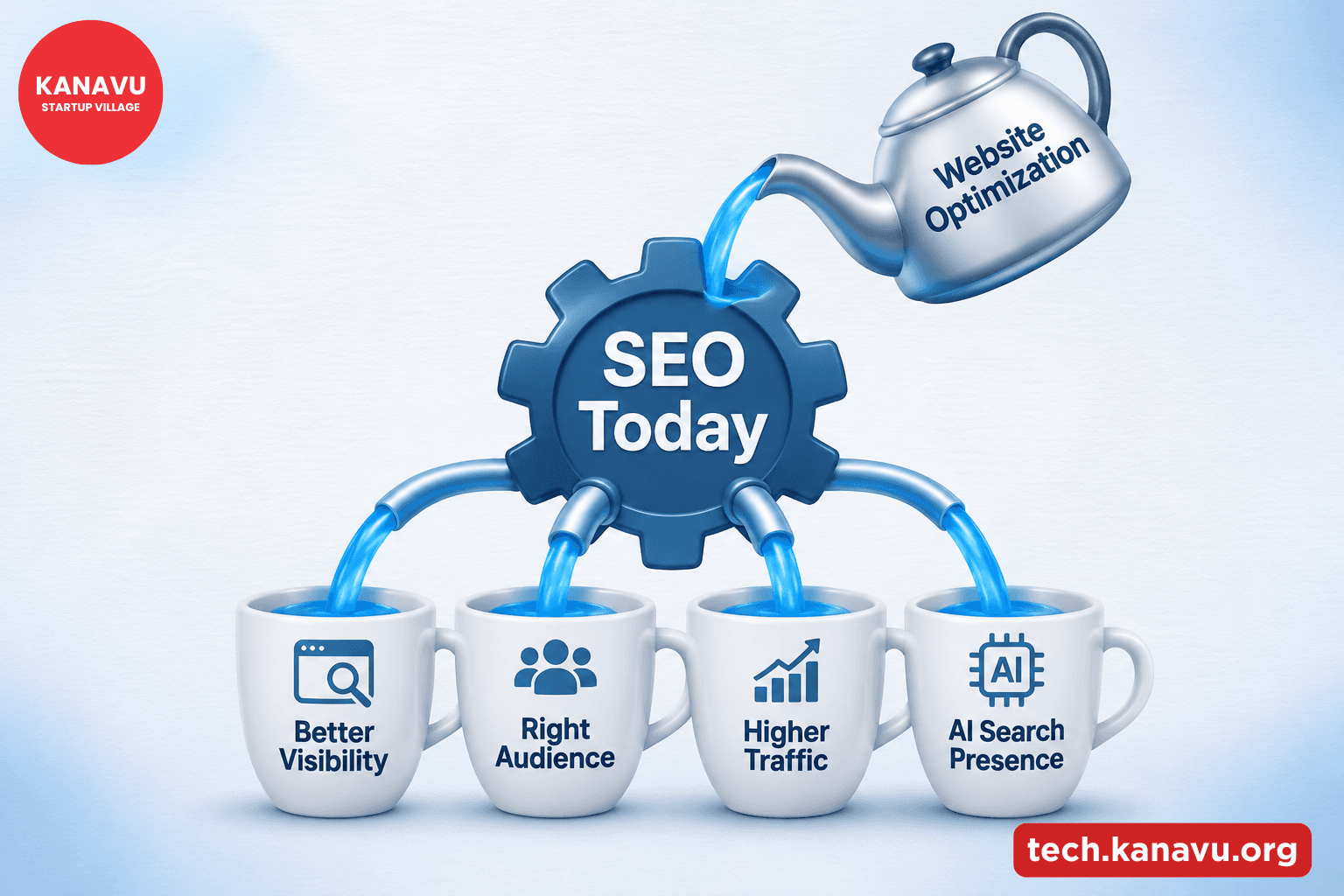
SEO practices continue to evolve with changes in search technology. Explore How SEO Works Today: From Website Optimization to AI Search to understand how traditional SEO techniques connect with modern AI-powered search experiences.
Build a Stronger SEO Strategy with Kanavu Digital Marketing
Successful SEO requires the right balance between website improvements and external credibility.
At Kanavu Digital, we help businesses strengthen their online presence through SEO, content strategy and website optimization.
Explore our SEO services to discover how technical SEO, on-page optimization, local SEO and link-building strategies can improve your website's search visibility.
External Resource: Difference Between On-Page and Off-Page SEO – GeeksforGeeks – Understand the key differences, important elements and optimization techniques involved in On-Page and Off-Page SEO.