
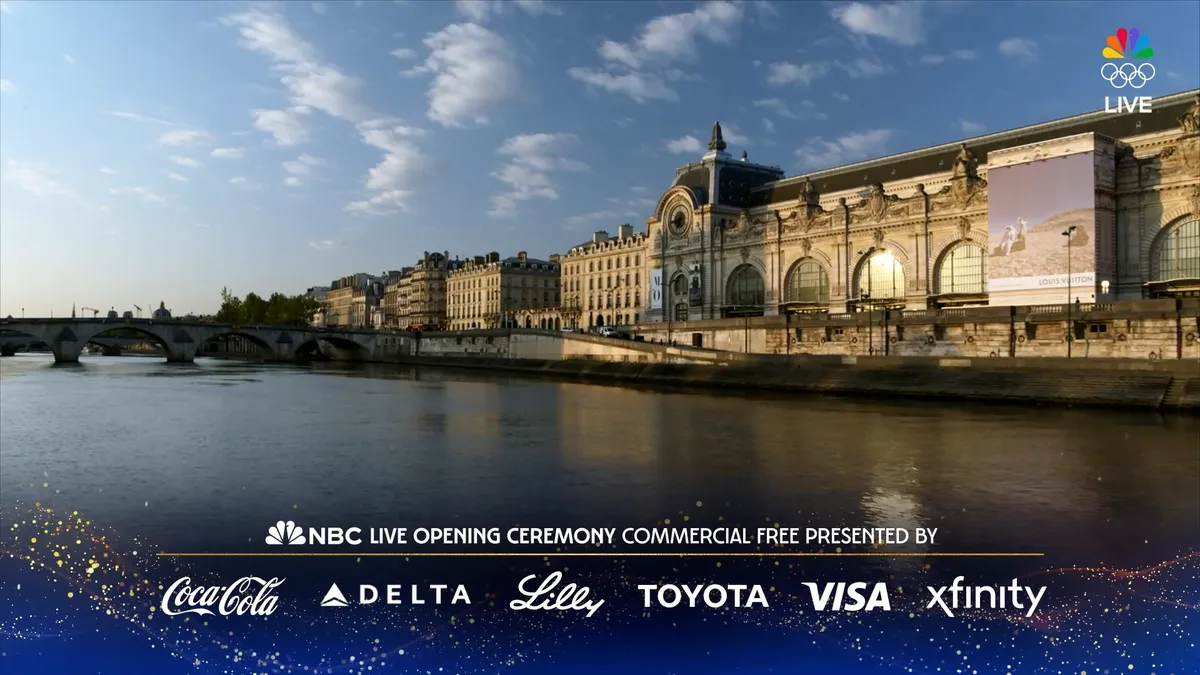
NBCUniversal will start broadcasting the 2024 Paris Olympics on Friday, July 26, marking another example of the media giant’s innovative approach to advertising in the streaming era. The company is on track to break Olympic advertising records, aiming to exceed $1.2 billion in ad sales, including $350 million from new advertisers. This effort has involved months of developing tailored brand integrations for major marketers. One such integration will be showcased during the live coverage of the opening ceremony, which will feature, for the first time in Olympics history, a commercial-free hour sponsored by The Coca-Cola Company, Delta, Lilly, Toyota Motor Corp., Visa, and Xfinity. Instead of traditional ads, brand logos for each sponsor (or “Olympic Ring Holder”) will be displayed onscreen in 10-minute rotations. This year’s opening ceremony will be unique, taking place on the River Seine with a four-mile-long flotilla of nearly 90 boats carrying thousands of athletes. This special setup provided an opportunity to balance an extraordinary visual spectacle with advertising needs. “We created a win-win.” Lovinger said. “The advertisers will be known to the viewer and we’ll give them credit, but the viewer will also be able to stay with the spectacle, which will be fantastic.” Beyond the opening ceremony, advertisers have numerous opportunities to reach engaged audiences, such as during the 13 nights of prime-time coverage that will feature a 30-minute key event with only one 60-second commercial pod. NBCU research shows that ads are more effective in an Olympic environment and can be further enhanced by using creative content with Olympic themes and athletes. “When [advertisers] do all of those things… that’s when impact really explodes for them.” Lovinger said. Coca-Cola, a long-time supporter of the Olympics since 1928, will have a presence across linear and digital channels, including NBC, USA, and Telemundo. Delta airline helped kick off the journey to the Olympics last June by flying contestants on “Top Chef: World All-Stars” to Paris for a quick-fire challenge alongside Team USA athletes. Delta continued to build excitement on the “Today” show by celebrating the 100-day-out moment in April and unveiling a custom Team USA aircraft livery in May. In partnership with Delta, NBCU will air a 22-minute commercial-free documentary about the Americans who risked and sacrificed their lives during the Normandy landings. Delta will also sponsor Gold Zone, serve as the presenting sponsor of the Medal Count, and run its Team USA-starring campaign during the games. As TV shifts from linear to streaming, Peacock remains a crucial component of NBCU’s strategy for consumers and advertisers, especially as it transforms TV into a performance marketing channel. At its One24 tech event in March, NBCU announced several updates and improvements to Peacock, which allows advertisers to target audiences in ways not possible with linear TV. The platform’s extensive Olympics content, approaching 7,000 hours, enables viewers to create their own viewing schedules, forming affinity groups that interest advertisers. Peacock’s revenue increased 28% to $1 billion last quarter, narrowing its loss to $348 million from $651 million a year ago, showing the ongoing maturation of most streaming platforms. NBCU has also partnered with Meta, Overtime, Snapchat, TikTok, and YouTube to form the Paris Creator Collective, granting 27 creators unprecedented on-the-ground access to produce custom content at the Olympics, mixing sports highlights with complementary content around food, fashion, and Paris itself. This initiative builds on insights from over a decade of integrating social media to engage younger audiences who consume content in their own unique ways.
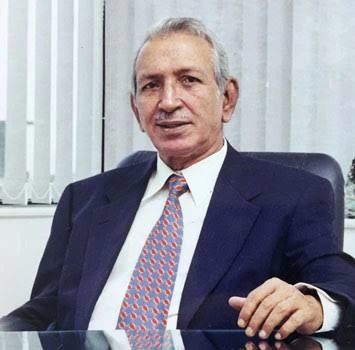
Meet the man from Goa who established a company worth 40,000 crore rupees.
Gracias Saldanha, born in Saligao village, Goa, made his community proud by becoming one of the first graduates from Saligao to earn a master’s degree in science from Bombay University. Upon returning to his village, he was dismayed by the poor health conditions and felt compelled to take action. 🤔 After 12 years of experience with various pharmaceutical companies, he aspired to create something of his own. With Rs 1 lakh and three employees, he founded a company named after his two sons, Glenn and Mark. Thus, on November 18, 1977, Glenmark Pharmaceuticals was established. 🚀 His vision was straightforward ⏩ to produce generic medications and active pharmaceutical ingredients (API). Initially, Gracias focused on new chemical entities (NCE) and new biological entities (NBE), which had the potential to become disease treatments after trials. However, he realized this would take time and needed an alternative approach. 👇 Two years later, he decided it was time to launch his products. Following its success, Gracias introduced Ascoril in 1985 to alleviate coughs. And then, magic happened. 🪄 Both Candid and Ascoril not only dominated the Indian market but also gained demand in countries like Mauritius, Kenya, and Afghanistan. As Glenmark expanded globally in 1999, an R&D center was opened in Sinnar, Nashik, to focus on further drug development. Then came the year 2000. 👇 The company continued to prioritize research, opening two NCE/NBE centers and API facilities. While other companies struggled with patent filings, Glenmark experienced rapid growth. Its revenue soared from 260 CR in 2003 to 6010.37 CR by 2014. The company became a billion-dollar entity by sales, with 66% of its revenue coming from the USA, Latin America, Europe, and over 80 countries. Glenmark entered the list of the top 80 pharmaceutical companies worldwide. 🌍 By 2018, Glenmark had expanded from producing Candid cream to offering 6000 products in the Respiratory, Dermatology, and Oncology therapeutic areas. With a revenue of 9185.34 CR and operations in 80 countries, it became the fourth-largest pharmaceutical company and the second fastest-growing company in India. 🇮🇳 Today, Glenmark boasts a revenue of 12,653 CR, with ten manufacturing sites and four research centers globally. The company is valued at 40,000 CR. 💪 ➡️ In 2011, Gracias Saldanha was the 69th richest Indian and the wealthiest Goan, worth 3700 CR. However, his true legacy is his son Glenn Saldanha, who has continued to uphold and expand his father’s vision beautifully. 🙏
Netflix’s ad-supported tier experiences 34% growth, nearing critical scale.
– Netflix’s ad-supported tier saw a 34% increase in membership quarter on quarter in Q2, as revealed in an earnings statement. The company did not disclose specific subscriber numbers for this tier, which had approximately 40 million global monthly active users as of May. – The streaming giant is implementing significant changes to its advertising unit, including the development of an in-house ad-tech platform expected to be widely available by the end of 2025. Netflix is also expanding into the programmatic advertising space through partnerships with The Trade Desk, Google Display & Video 360, and Magnite. – As Netflix refines its strategy, it is parting ways with Vice President of Ad Sales Peter Naylor, who joined the company in 2022 as the ad-supported tier was launching. – Netflix executives have often described their vision for creating an advertising powerhouse as a “crawl, walk, run” process. The company appears to be approaching the “walk” stage, though not without undergoing some transitions. – Naylor is the second major ad executive to leave the company, which is nearing its second year of operation. Jeremi Gorman, who joined Netflix at the same time as Naylor from Snapchat to serve as global ad president, departed in October. Amy Reinhard, formerly vice president of Netflix’s studio operations, replaced Gorman. Netflix is now seeking an executive to lead U.S. and Canada ad sales, as opposed to Naylor’s more global role. – Netflix launched its ad business in 2022 with the support of Microsoft’s ad-tech and sales expertise, but is now focusing on developing an internal platform. The in-house ad tech is expected to be tested in Canada later this year before a global rollout in 2025. Concurrently, Netflix is forming new programmatic partnerships, adding The Trade Desk, Google Display & Video 360, and Magnite to its lineup. – These efforts aim to help Netflix achieve “critical ad subscriber scale” by 2025. While the ad-supported segment is becoming a more significant revenue contributor, it will not be a primary growth driver this year or next, the company noted in a shareholder letter. – Netflix faces increased competition in ad-supported streaming following Amazon’s introduction of commercials to Prime Video in January. Netflix is also moving further into live programming, such as sports, which are attractive to advertisers. – User engagement appears to be strong as consumers deal with subscription fatigue and seek more affordable streaming options. Netflix’s ad-supported tier, priced at $6.99 per month in the U.S., now accounts for over 45% of sign-ups in all markets offering this option. Ad formats like pause ads, which appear when viewers take a break, have been tested by brands including Coca-Cola, Ford, and McDonald’s.
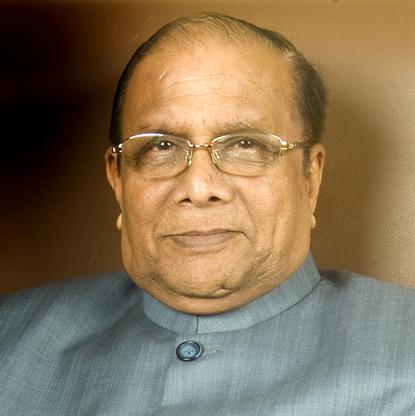
Meet the man who, at the age of 93, founded a company valued at 100,690 crore rupees after his family split.
Benu Gopal Bangur, born into a traditional Marwari family in Kolkata, was focused on both academics and business. He became the first graduate in his family by earning a B. Com (Hons.) degree from Calcutta University and then joined the family’s stock broking business. In the 1960s, his grandfather Mugnee Bangur’s 47-year-old family business expanded into jute, tea, paper, and cotton, becoming one of the top 10 wealthiest families in India. As Bangur’s business grew and entered new sectors, Benu took on a challenging new role. He was tasked with setting up the cement business in their native place, Beawar in Rajasthan. On October 25, 1979, Shree Cements was born. To minimize fuel and power consumption, Benu adopted the latest dry process and an air-swept roller mill grinding system for raw material and coal grinding. As he prepared the company for production, he took it public on BSE in 1984. The following year brought big news. In 1985, Shree Cements deployed the first integrated cement plant with a capacity of 0.6 metric tonnes annually in Beawar, commencing production on May 1, 1985. For its dry power-saving needs, he installed a diesel-generating set of 13.6 MW, which worked like magic. By 1997, Shree Cements had become one of the largest cement companies in North India, with their second 1.24 metric tonnes cement plant in Beawar, producing over 2 million tonnes of cement annually. When everything seemed perfect, things changed. In 1997, the 84-year-old family business was divided among five brothers, and Benu had to run Shree Cements independently. Not losing hope, he commissioned the first 6 MW captive thermal power plant and realized he could sell this power to distribution companies. In 2009, Benu entered the power sales market as well. By 2012, Shree Cements was generating revenue of 4544.31 CR, with 1045.94 CR coming from power. It produced various types of cement including Shree Ultra OPC and Jungrodhak (for buildings and rust prevention), Bangur Cement, and Rockstrong (for harsh environments). Yet, he felt something was missing. Recognizing the need for more premium brands as India modernized, in 2019, he launched Roofon and Bangur Power to attract niche top-value chain customers. The strategy worked, and by 2021, Shree Cements had achieved revenues of 12,588 CR with 4413 CR in profits. Today, Shree Cements, now rebranded as Bangur Cements, boasts a 983 MW power capacity and 53.4 million tonnes of cement annually across 23 plants globally. With a valuation of 100,690 CR, it stands as the third-largest cement company in India. ➡️ At 93, Benu Gopal Bangur is worth 62,320 CR, but his Project NAMAN continues to address key social issues, impacting 10 million people across 255 villages in India.
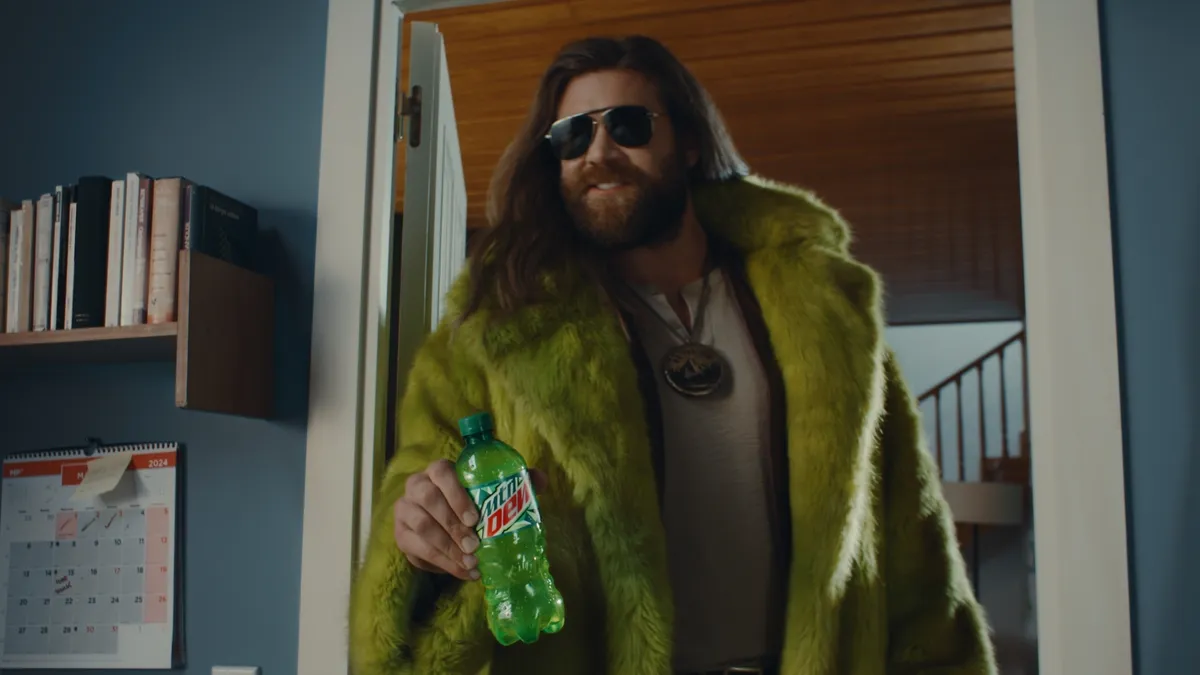
Why did Mountain Dew introduce the Mountain Dude to revitalize the ‘Do The Dew’ campaign?
This week, Mountain Dew has become the latest brand to refresh an iconic tagline by launching a campaign that pairs “Do The Dew” with a new character named the Mountain Dude. According to JP Bittencourt, Vice President of Marketing at Mountain Dew, this lighthearted initiative aims to increase consumer attention, affinity, and awareness. “’Do the Dew’ has been around for over 30 years, and we felt it was the perfect time, especially during the peak of the summer season, to introduce the campaign and new direction for the brand, which is all about encouraging people to get up and have a great time,” Bittencourt stated. The new campaign includes two 30-second commercials that begin with bored consumers using smartphones and virtual reality headsets while lounging on donkeys. Enter the Mountain Dude, a swaggering figure with a ’70s-inspired look featuring long hair, a flowing beard, and a lime-green fur coat. In addition to the 30-second ads, the campaign features 15- and 6-second spots across linear television, premium online video, social media, digital platforms, and out-of-home channels. The campaign was created with Goodby Silverstein & Partners, who also worked on the brand’s Super Bowl ad for its Baja Blast flavor. “The Mountain is in the brand’s DNA, and this new work represents a world full of endless possibilities,” said Margaret Johnson, Chief Creative Officer at Goodby Silverstein & Partners. Boosting Cultural Relevance The campaign uses slightly edgy humor to capture consumer attention, but its message is rooted in consumer insights. “We talked to our consumers and found there is a desire to go out and be with others, sometimes just needing a little push to do so,” Bittencourt said. “We thought this was a meaningful message, delivered in a non-judgmental way.” Consumers can expect to see the Mountain Dude come to life in various real-world experiential activations throughout the rest of the year and into the next. This character allows Mountain Dew to enhance its cultural relevance through spontaneous activations or more planned efforts. Mountain Dew has long incorporated the outdoors and gaming into its brand identity. Earlier this year, the company launched two year-long rewards programs targeting consumers interested in these areas. The new campaign builds on these activities. Additionally, the refresh of the longtime tagline “Do the Dew” aligns with a trend of brands bringing back iconic slogans from the ’90s.

Meet the man from Chennai who established India’s first computer company valued at 400,000 crore rupees.
Born in the coastal village of Moolaipozhi in Tamil Nadu, Shiv Nadar began working at the age of 22 and secured a job as an engineer in the Delhi Cloth Mills’ calculator division. However, he had different aspirations. 🤔 Despite working 10 hours daily, Shiv realized this routine was not for him and desired to start his own venture. He left his job along with six colleagues and founded Microcomp to sell tele-digital calculators. Although the business was profitable, Shiv had bigger plans. 👇 In 1976, with India lacking computers and IBM exiting the country due to a government mandate requiring 60% local equity, Shiv invested Rs 187,000 to start a computer company. On August 11, 1976, Hindustan Computers Limited (HCL) was established. 🚀 In 1978, Shiv developed the first HCL 8C computer using the Rockwell PP 8 microprocessor. The company acquired manufacturing land and an additional 20 lakhs from the UP government for a 26% stake. The HCL 8C became India’s first computer, following Apple and IBM. 💪 Priced Rs 200,000 lower than IBM’s 1401, the HCL 8C targeted the IT needs of mid-sized firms. Identifying a similar opportunity in Singapore, Shiv founded Far East Computers in 1980. In its first year, it achieved 10 lakh in revenue and was valued at 3 crore. 💰 By 1983, HCL had started manufacturing 16 in-house microprocessors and developed its own relational database management system and client-server architecture. Then came a significant announcement. 📢 In 1984, the government allowed the import of computer parts. Within three weeks, HCL developed its personal computer, BusyBee. Built on the highly-demanded UNIX, BusyBee became a huge success in just two years, allowing HCL to enter the challenging US market in 1989. However, things did not go as planned. 👇 BusyBee failed to get environmental clearances. Realizing the need for a strong partner to scale globally, Shiv partnered with American IT giant Hewlett Packard in 1991. This collaboration proved to be transformative. 🪄 By 2001, HCL had become India’s leading desktop company and made history with its IPO, which was oversubscribed 27 times, receiving bids worth 20,000 crore. Shiv did not lay off any employees during the 2008 global crisis and scaled the company to 12,565 crore in revenue and 2,072 crore in profits by 2010. 📉 HCL continued to grow, expanding its operations to 44 countries. In 2018, 69% of its 60,427 crore revenue came from software businesses, with 92.6% of revenue from America and Europe, demonstrating India’s capability to build software for the world. 🌍 Today, HCL’s revenue stands at 109,913 crore with a profit of 15,702 crore. The company employs 227,481 people across 60 countries, and its current valuation is 411,172 crore. 💪 ➡️ Shiv Nadar continues to support 15,000 underprivileged students through his seven educational institutes. He is a billionaire with a golden heart. 🙏
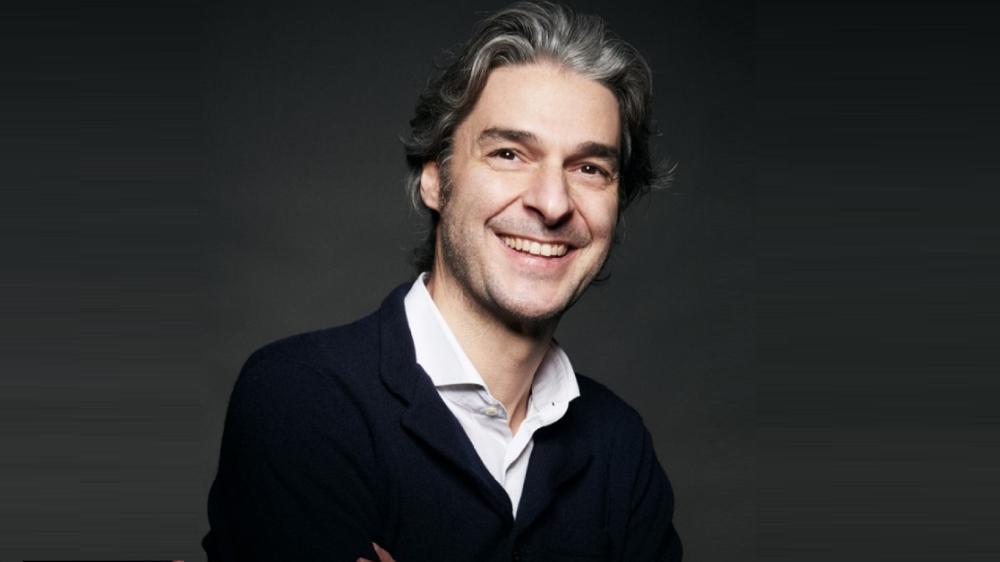
Dove’s Chief Marketing Officer, who was instrumental in building the brand’s purpose-driven marketing credentials, has departed.
Dove CMO Alessandro Manfredi is leaving after more than two decades with Unilever, he shared in a LinkedIn post. Manfredi was instrumental in creating the brand’s “Real Beauty” platform, which challenges traditional beauty standards for women and promotes self-confidence. Celebrating its 20th anniversary, “Real Beauty” is recognized as a key example of purpose-led marketing, integrating social and value-driven messages into widespread consumer campaigns. “I joined Unilever over two decades ago, attracted by three things: the humanity of its leadership, its unique marketing philosophy rooted in building emotional bonds, and its purpose,” Manfredi wrote. “Throughout my career at Unilever, I was able to cultivate these incredible assets and incorporate them into the brands I worked on, for which I am forever grateful. I will always carry the torch of this humanity, wherever I go, and whatever I do next.” In the latest “Real Beauty” campaign launched in April, Dove pledged never to use artificial intelligence (AI) models in place of real women in its advertisements. The campaign also addressed the unrealistic beauty standards generated by AI platforms. Over the years, “Real Beauty” has evolved to tackle the impact of modern technology, including social media and beauty filters, on the confidence of girls and women. Manfredi’s departure coincides with Unilever’s structural shake-up as part of a turnaround plan, which included shedding assets like its ice cream business. Previous company leadership faced criticism from investors for prioritizing brand purpose initiatives over business fundamentals. This news follows Unilever being named the 2024 Creative Marketer of the Year by the Cannes Lions International Festival. In his announcement, Manfredi noted that Dove achieved its best brand results in over a decade in 2023. “This allowed us to demonstrate that social impact, when fully embedded into a business, not only does not trade off with profit but is a phenomenal driver of growth,” he wrote.
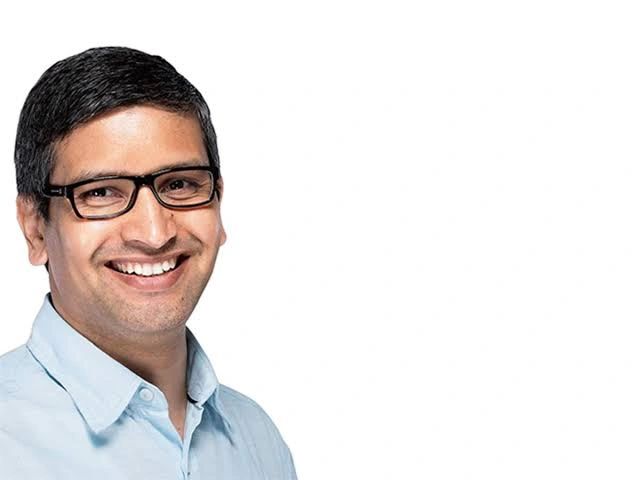
Meet thMeet the man who built a 22,000 CR baby care company.
Sure, here is a rephrased version of your text: During his time at his ed-tech startup, Brainvisa, Supam Maheshwari became a father. His frequent travels to the United States and Europe meant he often brought back toys for his newborn daughter. After Brainvisa was acquired, he looked for toys locally but found the process frustrating. 🤔 He struggled to find a variety of good-quality products easily. The Indian baby care products market, worth 50,000 CR, was largely unorganized, with 95% of sales happening offline. Supam wanted to change the way parents shop for their children. 🙌 Supam, along with his colleague Amitava Saha, co-founded Brainbees Solutions to launch an online platform offering high-quality baby care and kids products. With Rs 2.5 CR from friends and family, they took the plunge, and in September 2010, FirstCry was born. 🚀 FirstCry started with an inventory-based model, shipping products nationwide from four warehouses in Pune, Delhi, Bangalore, and Kolkata. The idea took off, and by 2011, FirstCry reached 100 CR in Gross Merchandise Value (GMV). However, Supam knew customer retention was essential and came up with another idea. 👇 In 2011, he launched Goodlife, an online home and personal care product store. He also opened franchise-driven physical stores in tier 2 and 3 towns such as Bhilai, Dehradun, Haridwar, and Bharuch. By 2013, FirstCry scaled to 250 CR GMV with 30% customer retention. ✅ By 2014, with stores becoming profitable within three months, FirstCry had 100 stores, 600 brands, and 25,000 products. Not losing focus on online sales, Supam introduced private labels BabyHug (apparel) and CuteWalk (footwear). FirstCry’s revenue skyrocketed to 118.08 CR by 2015. 📉 Despite minimal marketing expenditure, Supam partnered with 6,000 hospitals to deliver a “FirstCry box” containing diapers, lotion, and other items from premium brands like Mamy Poko and Libero to new mothers. The initiative was a success. 🙌 They delivered 200,000 boxes and offered 90,000 items across 180 stores, complete with detailed product descriptions and online inventory status for easy order placement before visiting a store. The big news came on October 17, 2016. 👇 FirstCry acquired its biggest competitor, Mahindra’s retail 120-store franchise business, Babyoye, for 362.1 CR. This merger led to the formation of FirstCry—A Mahindra FirstCry Venture. By 2019, FirstCry had grown to 283 stores and raised 1096.94 CR at a valuation of 6057.58 CR. 💰 By February 2021, FirstCry had expanded to 400 stores and achieved a revenue of 1842.27 CR and a profit of 337.34 CR. It raised an additional 2120.5 CR from Tiger Global at a valuation of 8482 CR, becoming the fourth Unicorn of 2021. 🦄 ➡️Today, FirstCry is a 22,400 CR company with over 5650 CR in sales. 77% of its sales come from online, and it plans to go public with an 1815 CR IPO soon. 💪 Supam Maheshwari continues to provide FirstCry boxes to 70,000 mothers each month. 🙏
Amazon unveils cookieless ad-targeting solution at Cannes Lions
Certainly, here’s the rephrased version: Amazon introduced an ad-targeting solution called Ad Relevance that does not depend on cookies or third-party identifiers, as announced in a blog post. This announcement was also made at the Cannes Lions International Festival of Creativity this week. Ad Relevance, accessible via Amazon’s demand-side platform, leverages artificial intelligence (AI) to analyze billions of browsing, purchasing, and streaming data points from Amazon’s various properties. It matches these insights with the content a consumer is currently viewing in real-time. Developed over several years, Ad Relevance has been tested on Amazon’s Audiences, Contextual Targeting, and Performance+ offerings. Amazon claims the product can improve addressability for previously anonymous impressions and reduce CPMs by up to 34%. Although cookie deprecation is ongoing, Amazon is advancing its ad-targeting solutions that do not rely on third-party identifiers, traditionally essential for digital marketing. At Cannes Lions, a major industry event focusing on advertising creativity and tech platforms, Amazon outlined its plans for Ad Relevance. The company also showcased its progress with a generative AI-powered image generator for campaign assets, part of its strategy to bring emerging technology to more advertisers. Ad Relevance benefits from Amazon’s extensive first-party shopper, browsing, and streaming data, using advanced AI to quickly identify consumers at different stages of the purchasing journey. It can deliver ads across various devices, channels, and content types and has been piloted on existing Amazon Ads products, including the Performance+ ads launched in March. Early results indicate that Ad Relevance can extend addressability to up to 65% of impressions that were previously anonymous under different targeting tactics. CPMs were reduced, and cost-per-click improved by 8.8%, with Amazon reporting 100% budget delivery. Amazon’s promotion of ID-free targeting capabilities comes as the timeline for cookie deprecation remains uncertain. Google had planned to phase out cookies in Chrome in the latter half of this year but delayed this to 2025 due to regulatory challenges and industry pushback against its Privacy Sandbox alternative. Marketers are actively seeking viable cookie replacements, and Amazon sees a significant opportunity to strengthen its booming ad business. Amazon’s advertising revenue grew 24% year-over-year to $11.82 billion in Q1, driven by the demand for sponsored product ads. The introduction of commercials to Prime Video is expected to further boost this momentum in the coming months.

Meet the woman who took “Frooti” from a 300 CR brand to an 8000 Cr brand.
Nadia Chauhan joined her father’s company, Parle Agro, in 2003 when she was just 17 years old. 😲 She reduced the company’s reliance on “Frooti,” which previously accounted for 95% of revenue. She then promoted the iconic packaged water brand “Baileys,” which has grown into a business worth over 1000 crore rupees. With a strong distribution network and key partnerships with dhabas and long-distance bus operators, Parle Agro doubled its turnover to 5000 crore rupees. However, the game-changing move came in 2005 when Nadia launched her brainchild, “Appy Fizz.” At a time when apple juice was unfamiliar in India, this product quickly became a hit, achieving a CAGR of 36% and capturing a staggering 99% market share. Its innovative style and taste inspired many imitations over the next two decades. Despite these new ventures, Nadia didn’t neglect her flagship product, “Frooti.” She relaunched Frooti in different flavors under the brand “Nutrizz” and revamped its packaging into the PET bottles that define the iconic Frooti of today. To further promote the brand, she enlisted popular actors at the peak of their careers. Alia Bhatt and Ram Charan began promoting the new flavors in advertisements featuring funky clothes and quirky “Frooti Fizz” bottles. This strategy paid off, with an advertising spend of 300 crore rupees generating over 2000 crore rupees in revenue. 📍 Today, Frooti contributes 48% of the company’s revenue. Nadia’s ability to scale the business across multiple categories is truly commendable. Who says women cannot be successful in startups? Take a moment to appreciate what Nadia and her team have built.