
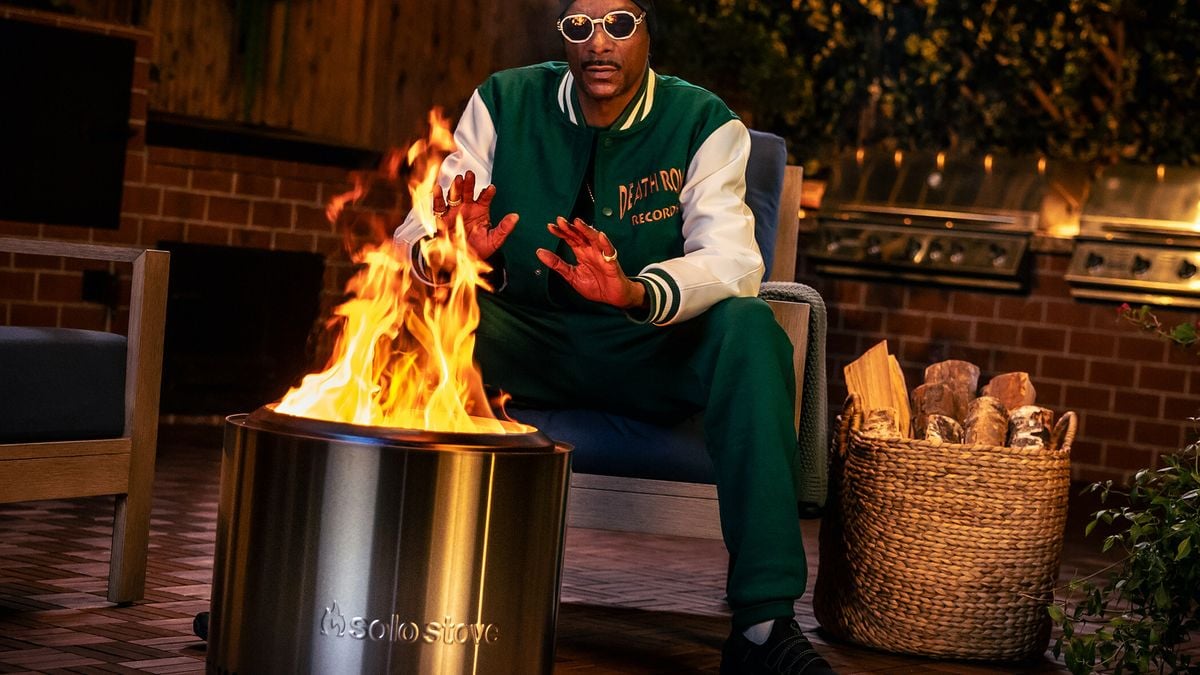
Solo Stove, the innovator behind the smokeless fire pit, is once again making waves in the marketing realm, albeit not necessarily for the reasons the company had anticipated. The product, owned by Solo Brands, gained initial attention in November by appointing Snoop Dogg as its official “smokesman.” This move followed a cryptic post from the cannabis-friendly rapper hinting at “giving up smoke” (though not smoking), leading to speculations about a potential marketing stunt. While the bait-and-switch approach initially garnered success, with Solo Stove securing earned media and increased social engagement, the high-profile celebrity endorsement did not translate into the anticipated boost in sales. This indicated a mismatch with the brand’s core customer base of outdoor enthusiasts. Closing out 2023, Solo Stove’s campaign, crafted in collaboration with The Martin Agency, checked many boxes for marketing success. The Snoop Dogg-led initiative sparked consumer interest with a mysterious social media post, generating online discussions and speculation. The subsequent revelation that Snoop Dogg’s commitment to “give up smoke” pertained to his outdoor fire pit preferences, not his well-known affinity for cannabis, garnered additional media attention and hinted at a potential holiday sales surge. This campaign also marked Solo Stove’s inaugural national marketing push, heightening expectations. However, a few weeks into 2024, it became evident that the creative strategy fell short. Solo Brands, which also markets outdoor lifestyle products like Oru Kayak, Isle, and Icy Breeze, began the new year with the former CEO, John Merris, mutually parting ways with the company, as outlined in a financial statement. Christopher Metz, formerly CEO of Vista Outdoor, assumed the roles of Solo Brands president, CEO, and director of the board on Jan. 15. In a press release detailing the updated 2023 financials, Solo Brands disclosed an expected full-year revenue in the range of $490 million to $500 million, compared to the earlier guidance of $520 million to $540 million. Executives candidly addressed the impact of the Snoop Dogg partnership on performance, acknowledging that the unique marketing campaigns increased brand awareness but fell short of the planned sales lift, negatively affecting EBITDA. The shift in fortunes has prompted extensive analysis of creativity in marketing and the importance of aligning ambassadors with the product. Solo Brands, a public company since 2021 with a focus on direct-to-consumer offerings, initially performed well in the first half of 2023. However, a marketing misstep undercut some of those gains. Ultimately, the company may have misjudged its core customer base in the pursuit of new buyers, choosing a celebrity whose brand profile, while strong, lacked a clear connection to the outdoors. Examining Solo Brands’ past marketing positioning may shed light on why the Snoop Dogg campaign failed to resonate, especially given the company’s success in associating its brand with outdoor activities in previous marketing efforts.
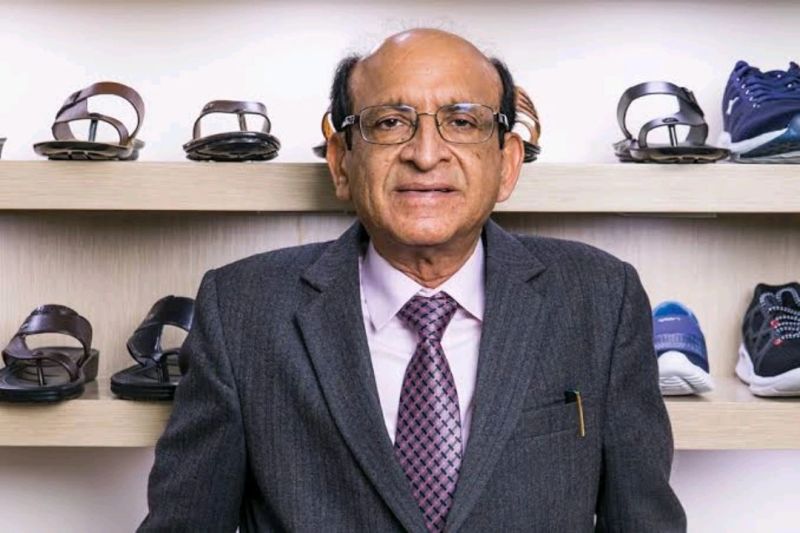
Ramesh kumar dua and story of Relaxo
1. Ramesh Kumar Dua faced significant challenges during his early years, as his father’s bicycle parts and footwear business went through a division, leaving him to grapple with a debt of 1,00,000 rs. At the age of 17, Ramesh made the decision to drop out of his medical exam and lend a helping hand to his father. 2. Juggling both businesses for two years, Ramesh eventually committed to the footwear industry. To secure seed capital, he rented out his family property for Rs 250 and received a 10,000 rs advance against it. In 1976, Relaxo was established. 🚀 3. Despite lacking knowledge about the primary raw material, rubber, Ramesh sought education at the Plastics and Rubber Institute in London to become a rubber technologist. The institute typically admitted only the top 2%, but through persistence, Ramesh was allowed to study without obtaining a degree due to his evident passion. 👨🎓 4. During Ramesh’s rubber studies, India experienced the notorious emergency in 1977. Upon his return from London, he introduced Relaxo’s inaugural product. 5. The iconic Hawaii Chappal was born, marking the first slipper crafted from a blend of natural and synthetic materials. Ramesh invested in radio jingles, a novel approach at the time, paying 100 Rs when radio ads were uncommon. The brand gained recognition, but a challenge emerged. 👇 6. The slippers were unbranded, leading retailers to replace his stock with higher-margin branded items. To counter this, Ramesh amalgamated different units of Relaxo into one and privatized the company in 1983. The awaited breakthrough came in 1995. 🙌 7. With the footwear industry opening up to major manufacturers, Ramesh invested 7.5 crore for a cutting-edge manufacturing plant, capable of producing 50,000 pairs daily. Concurrently, Relaxo went public, raising 4.5 CR through its IPO. 📉 8. The demand for Relaxo’s slippers soared, prompting Ramesh to establish a second unit in 1999, followed by another with a daily production capacity of 100,000 pairs in Bhiwadi in 2001. By 2003, Relaxo achieved a revenue of 150 CR. 💸 9. Faced with increased competition, including a 20% discount from the 70-year-old Bata Shoes, Ramesh diversified into other categories. In 2005, he introduced Sports Shoes (Sparx), followed by Sandals (Flite) and Bahamas (Casual Slippers). ✅ 10. While Bata’s revenue declined by 85%, Relaxo evolved into a 1000 CR company, enlisting Akshay Kumar (Sparx), Salman Khan (Bahamas), and Sonakshi Sinha (Flite) as brand ambassadors. 💪 ➡️ Today, Relaxo boasts a revenue of 2783 CR, producing 7.25 lakh pairs of footwear and selling 18 crore slippers annually. The narrative of Ramesh Kumar Dua – The visionary behind the immensely popular Hawaii Chappal.
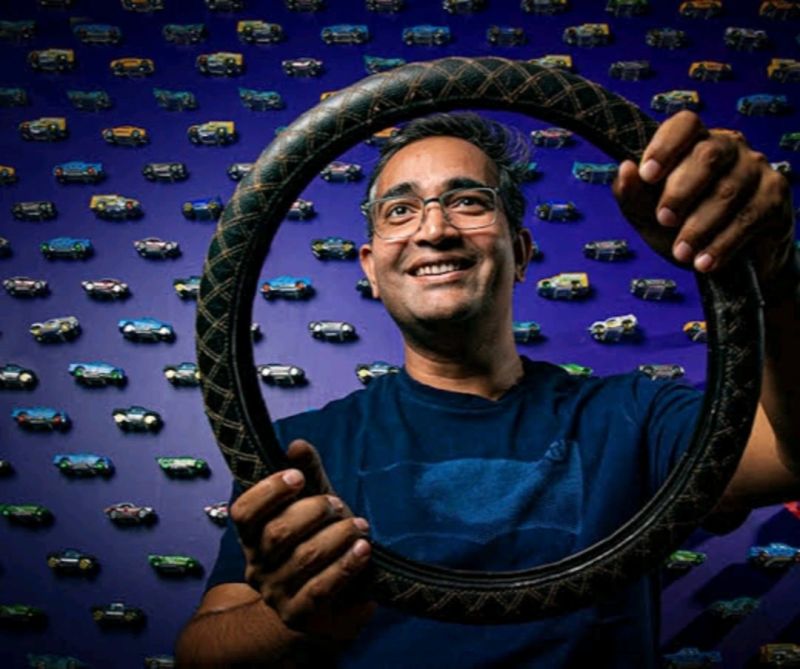
Niraj singh and the story of Spinny
1. Niraj Singh boasted an exceptional academic record, hailing from the small town of Daltonganj, Jharkhand. He emerged as the top scorer in his school, aced the IIT exam twice, and secured admission to IIT Delhi. With a track record of success, failure was an unfamiliar territory. However, that changed in 2011. 👇 2. By 2014, both of his startups had shuttered, marking a stark shift for someone unaccustomed to setbacks. Facing two consecutive failures, Niraj not only had to cope with business losses but also experienced the passing of his supportive father. In the midst of these challenges, he needed to find a way to persevere. 3. Contemplating his next move, Niraj identified the profound desire for car ownership among individuals. Recognizing the financial constraints that often lead people to opt for used cars, he aimed to address the market’s shortcomings in terms of quality, accountability, and trust. In 2015, the inception of Spinny took place. 🚀 4. The concept was straightforward ⏩ Offer the same delightful experience of buying a new car to those opting for a second-hand vehicle. Niraj initiated the process by facilitating customers to sell to other customers through verified car listings and monitored transactions. The idea gained momentum, and by 2016, Spinny had successfully sold 350 cars amounting to 14 CR. 🙌 5. Witnessing early success, Blume Ventures invested 7 CR, enabling Spinny’s expansion into Delhi NCR and Bangalore. The introduction of a 5-day money-back guarantee and a one-year warranty plan resonated well with customers. In 2017, Spinny achieved remarkable sales, surpassing 900 cars. However, Niraj recognized flaws in the model. 🤔 6. Customers were making purchases out of necessity rather than real value, leading to losses of 6.3 CR, and the depletion of funds. Competitors like Cars24 and CarDekho secured substantial funding, while Spinny struggled. Facing a pivotal moment, Niraj pivoted to a full-stack model to stay afloat. 7. Despite the pivot, another challenge emerged – salaries for 75 employees. Niraj, devoid of funds, mortgaged his house to meet the financial obligations. Although sales plummeted to 480 cars in 2018, customers eventually recognized the long-term value of buying directly from Spinny, reigniting the model’s success. 🙌 8. Spinny experienced massive growth, selling 3750 cars by 2020. With a funding infusion of 270 CR, it expanded into five cities. However, it remained dwarfed by the 8000 CR Cars24 operating in 130 cities. Niraj understood the need for car refurbishment and a foray into luxury cars to boost margins, prompting another pivot in 2021. 9. The new model gained traction, and Spinny sold 7200 cars in the same year. Overcoming the challenges posed by the first wave of COVID, Niraj implemented contactless buying and home deliveries with fixed quality assurances. The pivot proved successful as Spinny secured a substantial funding of 1200 CR from major investors like Tiger Global and General Catalyst. 💸 10. Spinny expanded into eight new cities, establishing 15 car hubs. 11. Presently, Spinny boasts a revenue of 3000 CR and holds a staggering valuation of 14,500 CR.
How ChatGPT is impacting digital marketing?
The impact of artificial intelligence is reshaping the landscape of digital marketing, and among the innovative tools, ChatGPT emerges as a transformative force, revolutionizing marketers’ approaches. In a world where an increasing number of consumers rely on digital platforms for information, entertainment, and commerce, marketers face the challenge of adapting to this dynamic environment. Moving beyond the headlines, let’s delve into how ChatGPT is influencing the realm of digital marketing. 1. Streamlined Research: Imagine the exhaustive effort required to sift through numerous sources for relevant information across the vast expanse of the internet. ChatGPT acts as a magnet, extracting valuable insights from the digital haystack. While not perfect, ChatGPT enables marketers to engage in a conversation, gaining relevant insights efficiently and saving valuable time. This capability empowers marketers to stay ahead, gaining insights into market trends, competitor strategies, and consumer preferences. 2. Enhanced Messaging: In the world of marketing, the power of words is paramount. ChatGPT’s ability to craft messages is akin to having a knowledgeable colleague who always knows the right thing to say. Whether it’s creating compelling ads, engaging emails, or captivating social media content, ChatGPT ensures that the narrative resonates with the target audience. Marketers can fine-tune messages based on audience needs and desires, generating persuasive and personalized content to drive conversions and foster brand loyalty. 3. Relevant and Efficient Content Creation: Creating content for digital marketing campaigns is akin to cooking a delicious dish. ChatGPT provides marketers with tried-and-true recipes, allowing them to incorporate the latest market insights and ensure that the final product is both classic and contemporary. Additionally, ChatGPT excels at assisting in content creation, functioning like a versatile chef in the kitchen, efficiently whipping up a variety of dishes to maintain a diverse and updated menu. 4. Smooth Digital Integration: Effective technology seamlessly integrates into digital experiences, offering intuitive and smart guidance. ChatGPT serves as a smart companion, guiding users through their digital journey on websites or during online shopping. For instance, on e-commerce websites, ChatGPT provides personalized product recommendations based on user preferences, enhancing the overall shopping experience and proving valuable for businesses aiming to provide personalized and efficient services. 5. Lead Generation and Improved User Experience: ChatGPT is not only capable of generating potential leads and gathering information but also engages website visitors, capturing valuable data and converting leads into customers. Beyond lead generation, ChatGPT contributes to improved user experiences by offering assistance and guidance, helping users navigate websites or apps seamlessly. In Conclusion: Navigating the dynamic landscape of digital marketing can feel like sailing through uncharted waters. Its proficiency in understanding and responding to human language makes it an invaluable asset for marketers seeking to engage their audience, make data-driven decisions, and stay ahead of the competition. In the digital marketing journey, ChatGPT stands as the compass pointing towards success.
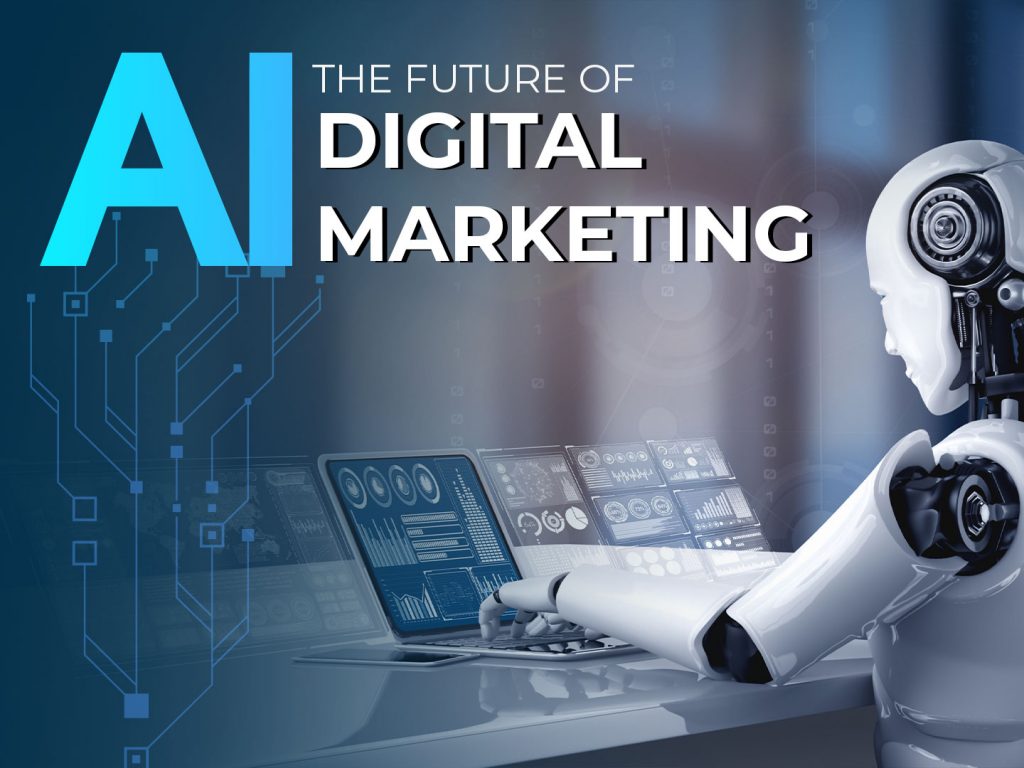
Digital Marketing and how it is Positively Impacted by Artificial Intelligence
In the 2020 Deloitte global survey of early AI adopters, it was revealed that AI applications are prominently focused on marketing-oriented objectives. Specifically, goals such as improving products and services, fostering innovation, and nurturing customer relationships rank among the top five priorities. AI is not merely creating ripples; it is fundamentally reshaping the expansive landscape of digital marketing. Beyond the impressive statistics, the true impact of AI lies in the subtle transformations it introduces to campaigns, customer experiences, and overall marketing strategies. As the capabilities of AI continue to evolve, businesses find themselves emancipated from the limitations of human work rhythms. AI-powered organizations adeptly ride the data wave, strategically deploying AI to gain a competitive edge, consistently innovating, and enhancing customer experiences. It is evident that AI is poised to become the star player in the future marketing playbook. Six ways AI is influencing the future of digital marketing: AI technology holds the potential to revolutionize digital marketing, ushering in increased personalization, productivity, and impact. As AI continues to progress, new applications in digital advertising are likely to emerge. Here are key areas where AI is making a significant impact: 1. Personalized Content: AI algorithms can customize content based on customer browsing behavior, demographics, and preferences. This enables marketers to tailor content, offers, and ads, enhancing user experience and facilitating more targeted and effective marketing campaigns that elevate conversion rates. 2. Chatbots and Customer Support: AI-driven chatbots play a crucial role in supporting digital marketing campaigns. They offer personalized customer support, gather data for lead generation and analysis, and elevate engagement and customer satisfaction. 3. Customer Understanding: AI algorithms assist marketers in gaining deeper insights into their customers. Machine learning algorithms can analyze extensive data from social media, website analytics, and customer feedback, providing valuable insights. 4. Time-Saving Content Creation: AI technology enables marketers to save time and enhance content quality. Utilizing data and user preferences, AI-powered content creation tools generate more engaging and relevant blog and social media content, ultimately boosting campaign performance. 5. Visual Recognition in Images and Videos: In images and videos, AI can identify objects, people, and other elements. 6. Fraud Detection and Prevention: AI algorithms excel in detecting anomalies, utilizing predictive modeling, analyzing text-based data, monitoring real-time activity, and assigning fraud scores. This capability aids businesses in identifying and preventing fraud in digital marketing activities.
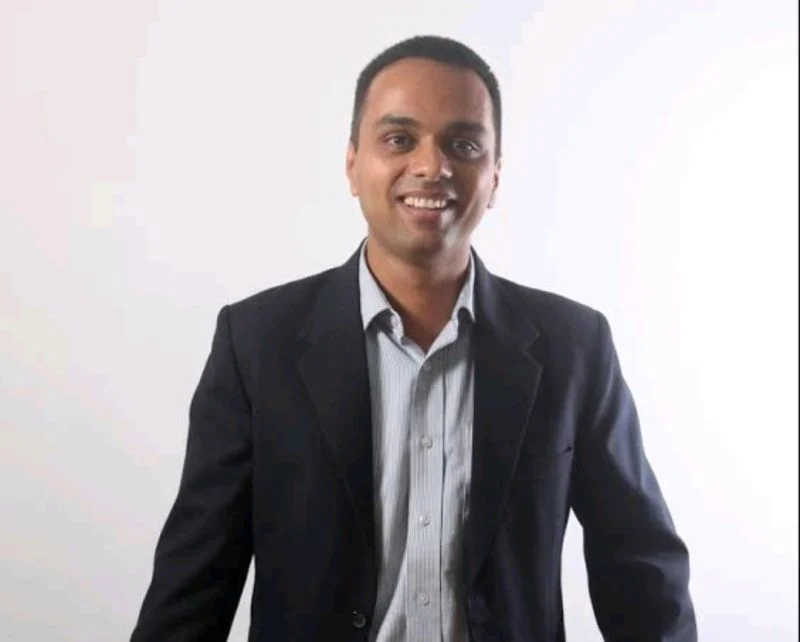
Ashish Mohapatra and the story of OfBusiness
1. Ashish Mohapatra, originally from Orissa, achieved the remarkable feat of making it to IIT Kharagpur without the aid of any coaching, bringing pride to everyone around him. However, he took a bold step by departing from his high-paying consulting role at McKinsey and later as a prominent Venture Capitalist (VC) in August 2015. What he envisioned next was even more audacious. 2. At a time when consumer giants like Amazon and Flipkart were flourishing in India, Ashish aimed to address the unorganized sector of Small and Medium Enterprises (SMEs). Despite skepticism from many, Ashish pressed ahead and founded OfBusiness in 2015. 🚀 3. OfBusiness initially focused on supplying metals and cement to the manufacturing and infrastructure industry, experiencing a robust start with over 20 CR monthly orders and a profit of 30 Lakhs. However, Ashish identified a crucial missing element. 🤔 4. Recognizing that 95% of transactions operated on credit, OfBusiness lacked credit capabilities internally. Ashish understood that without credit, SMEs would be hesitant to engage. To sustain his startup, he needed to secure funding for credit, a process that turned into a daunting challenge for Ashish. 5. Facing rejection from 73 VCs within six months, Ashish encountered difficulty in building conviction on the credit model’s profitability. His lack of credit background became a major hurdle. Despite the setbacks, Ashish persevered. 6. Committing himself to extensive research, he scrutinized the balance sheets of three companies daily for a year. He spent nine months visiting numerous SME offices to understand how to underwrite loans for them. In December 2016, OfBusiness successfully raised 70 CR, led by Zodius Capital. 💸 7. The model gained momentum as OfBusiness reached revenues of 100 CR. The low-interest and collateral-free approach resonated, drastically reducing the SME credit window from 90 days to 72 hours. By 2018, OfBusiness disbursed 100 CR in loans and achieved a revenue of 500 CR. 📉 8. Identifying a gap in the market where credit was available but lacked technological management, Ashish expanded into digital services in 2019. Introducing BidAssist (Government Tender mapping) and ProcureAssist (Vendor management), OfBusiness transformed from a rejected startup to a favored one, raising 500 CR in two years from Norwest, AlphaWave, and Innoven Capital. 9. In August 2021, OfBusiness secured a massive funding of 1300 CR from Tiger Global, propelling it to unicorn status with a valuation of 10,000 CR, becoming the 18th unicorn of 2021. 🦄 ➡️ Today, OfBusiness boasts a revenue of 7,139 CR and a staggering valuation of 40,000 CR. The story of Ashish Mohapatra reflects a journey of resilience, transforming rejection into a billion-dollar success on the 74th attempt. 💪

Growth of Content Marketing Market to $2 Trillion by 2032 at 16.9% CAGR
Allied Market Research recently released a report titled “Content Marketing Market,” analyzing the period from 2023 to 2032. According to the report, the global content marketing market achieved a revenue of $413.2 billion in 2022 and is projected to reach $2 trillion by 2032. Key Growth Factors: The growth of the content marketing market is driven by the increasing demand for diverse content formats, particularly the rising popularity of video platforms and short-form videos. The widespread adoption of digital platforms and the surge in online activities, especially on social media, contribute significantly to the market’s robust expansion. However, challenges in creating content that aligns with rapidly changing consumer preferences are expected to hinder market growth. Conversely, the increasing trend of partnerships and collaborations among major market players is anticipated to present growth opportunities. Impact of COVID-19: The COVID-19 pandemic has acted as a catalyst for digital transformation and online engagement, significantly influencing the content marketing market. The usage of digital platforms has witnessed a steady increase during and after the pandemic, with businesses recognizing the potential of content marketing to connect with their target audiences effectively. The pandemic accelerated the digitalization trend and online activities, emphasizing the importance of digital marketing strategies. Businesses turned to online platforms and social media to maintain connections with customers and promote products and services when physical interactions were limited. The surge in digital marketing has underscored the crucial role of content marketing in sustaining businesses’ presence and relevance. Market Segmentation: **Channel Type: Video Platforms Sub-Segment Significantly Growing** The video platforms sub-segment dominated the global content marketing market share in 2022, holding a substantial 58.2% share. This sub-segment is expected to experience notable growth due to the increasing prevalence of video platforms, rising mobile device usage, and growing demand for real-time engagement through live streaming. **End Use: Lead Generation Sub-Segment with Massive Growth Potential by 2032** The lead generation sub-segment held a significant market share of 44.5% in 2022 and is poised for substantial growth during the forecast period. This growth is attributed to the effectiveness of lead generation in measuring costs, tracking conversions, and gaining a clearer understanding of the financial impact. Marketers leverage diverse channels, including social media, blogs, webinars, emails, and more, to engage a broad audience and drive successful prospect interactions. **Regional Analysis: Asia-Pacific Dominated in 2022** The Asia-Pacific region emerged as the dominant force in the global content marketing market in 2022, capturing a substantial share of 41.6%. This dominance is driven by the increasing popularity of content marketing in countries like India, China, Japan, and South Korea. The widespread use of social media platforms, such as Twitter, Instagram, Facebook, and LinkedIn, in these countries creates abundant opportunities, providing access to a massive and diverse audience
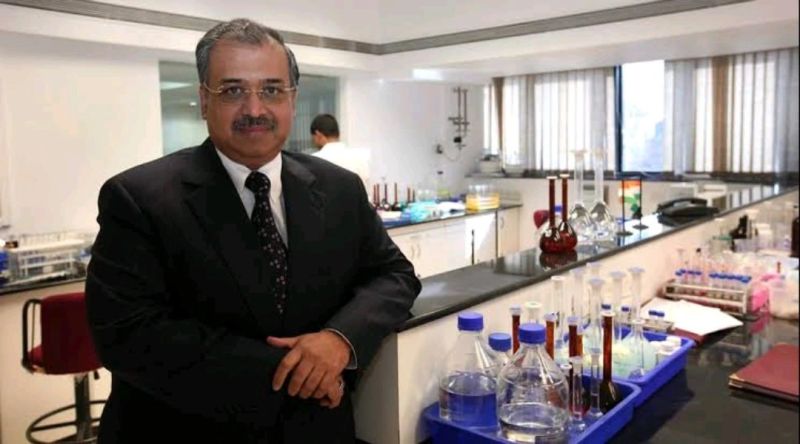
Dilip Shanghvi and the story of Sun pharma
In 1982, after completing his graduation, Dilip Shanghvi assisted in his father’s wholesale medicine shop in Kolkata, where generic drugs with slim profit margins were sold. Facing this challenge, Dilip sought a solution.Recognizing the high margins and limited supply of psychiatry drugs from major pharmaceutical companies, Dilip seized the business opportunity. He borrowed Rs 10,000 from his father, and in 1982, Sun Pharma was established.The concept was straightforward – to manufacture and distribute Lithosan, a bipolar disorder drug not available in the Eastern parts of India. Utilizing his friend’s equipment, Dilip initiated a 3,000 sq ft factory in Vapi, Gujarat.By the end of the first year, Sun Pharma achieved sales of 7.5 Lakhs with five drugs. Responding to growing demand, Dilip expanded into cardiology and gastroenterology products in 1987.Introducing new products, Dilip expanded Sun Pharma’s reach to the West Coast and began exporting, establishing offices in Toronto and Moscow. The turning point arrived.In December 1994, Sun Pharma went public, reaching a valuation of 500 CR and becoming the first Indian pharmaceutical company to have an IPO oversubscribed by 55 times. Competitors like UK-based GSK and homegrown Cipla captured 15% market share, prompting Dilip to devise a strategy.Anticipating that competition wouldn’t extend beyond India, Dilip acquired USA’s Caraco Pharma and a 44.3% stake in the UK’s MJ Pharma, positioning Sun Pharma to enter the US and UK markets.The acquisitions proved successful, contributing 50 CR in sales from the USA and UK. Dilip expanded further by purchasing respiratory brands from NATCO Pharma and ophthalmology products from Milmet Labs, propelling Sun Pharma into India’s Top 10 Pharma companies in 1999.Sun Pharma continued to grow, establishing factories in Jammu, Dadra, and Silvassa, selling three billion tablets by 2002. It climbed to India’s Top 5 and became the largest Indian Pharma company in the USA. Dilip demonstrated expertise in acquisitions and product launches, but the challenges persisted.In 2014, the USFDA began granting licenses for generic drugs in bulk, prompting Dilip to anticipate the Top 4 pharmaceutical companies’ response. In a strategic move on March 25, 2015, Sun Pharma acquired Ranbaxy for 2000 CR in an all-stock deal, creating a combined entity with 3000 CR in revenue and 47 facilities across five continents. Today, Sun Pharma boasts an annual revenue of approximately 40,000 CR, ranking as India’s No. 1 and the world’s 4th largest generic pharmaceutical company. With a net worth of 150,000 CR, Dilip Shangvi became a household name, surpassing Mukesh Ambani as India’s richest man in 2015.

FMCG bets big on tech
FMCG giants in India are increasingly adopting real-time data exchange and demand forecasting methods to prevent stockouts on quick-commerce (Q-comm) platforms, according to a report by Ratna Bhushan for The Economic Times. For example, ITC is exploring the use of electronic data interchange and has integrated it with major accounts to facilitate faster information exchange, revealed Sandeep Sule, Divisional Chief Executive, Trade Marketing and Distribution at ITC. Similarly, Nestle is partnering with Q-comm platforms to monitor stock levels at distribution centers, ensuring product availability for consumers, as stated by a spokesperson from the company. The driving force behind this trend is the significant contribution of Q-comm platforms such as Zepto, Blinkit, and Swiggy Instamart, accounting for approximately 30-50% of e-commerce sales for FMCG companies, as mentioned in the report. Anticipated trends include: 1. **Hyper-localization and Personalized Experiences:** Q-commerce will extend beyond speed, providing hyper-localized product assortments and personalized recommendations based on local demand and individual preferences. This will necessitate deeper collaboration. 2. **Sustainability and Ethical Sourcing:** Consumers are increasingly selecting products based on their impact. Q-comm can utilize data to reduce the carbon footprint, while FMCG giants can offer transparency about their practices. 3. **Subscription Models and Loyalty Programs:** With intensifying competition, Q-comm platforms and FMCG giants will explore subscription models and personalized loyalty programs. 4. **Integration with Physical Stores:** The boundaries between online and offline will further blur. Q-comm platforms can serve as extensions of physical stores, providing click-and-collect options, in-store fulfillment, and seamless returns. 5. **The Rise of New Technologies:** Emerging technologies such as AI, automation, and robotics will further revolutionize Q-comm. Automated picking and packing in dark stores, drone deliveries, and self-driving delivery vehicles could become commonplace.
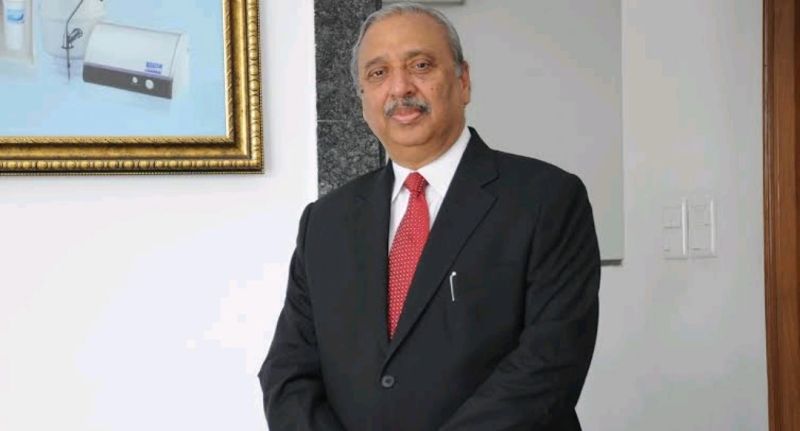
The marketing story of Kent water purifier
Dr. Mahesh Gupta’s children developed jaundice after consuming contaminated water, a problem that affected 200,000 people in India. The absence of effective water purifiers in the market prompted Mahesh to take action.Using the 20,000 rupees he had saved from his job at Indian Oil, Mahesh imported a membrane and pump from the US to create his home purifier. However, developing the purifier proved challenging, as he experimented with various technologies for six months without successfully removing impurities from water.After half a year of exploration, Mahesh discovered the Reverse Osmosis (RO) technology for purifying water, marking an unprecedented innovation in the unorganized Water Industry. In 1999, Kent water purifier was established.The market posed challenges, with Eureka Forbes holding a dominant 70% market share through Aquaguard. Mahesh introduced his product at Rs 20,000, competing with Aquaguard priced at Rs 5,000, relying on the belief in superior technology to drive sales. However, the strategy initially did not yield the expected results.In its first year, Kent RO only sold 100 systems. Despite this, the brand had a strong recall value. Mahesh decided to adopt a door-to-door sales approach, and the strategy gained momentum, with Kent selling 20 units per month. Despite limited funds for advertising, with only Rs 5 lakh in capital, Mahesh focused on word of mouth and distribution.Kent RO found success by placing products in kitchenware specialty retail outlets, where customers could witness the purity of water firsthand. By 2005, sales reached 30 CR.Recognizing the need for branding, Mahesh sought a women’s brand ambassador. In 2006, the legendary Hema Malini became the face of Kent RO with the iconic tagline “Kent RO hi lena.”The advertising campaign transformed Kent RO. By 2010, the company achieved a revenue of 250 CR, growing annually by 45%. Production expanded to a massive facility in Roorkee, Uttarakhand, capable of manufacturing 1 million units annually.With increased capacity and a successful advertisement, Kent RO sold 5 lakh units in 2015. By 2016, revenue reached 830 CR, followed by 950 CR in 2017. The company boasted over 600 distributors, 150 franchise outlets, and 1000 retailers.In 2020, Kent RO achieved a revenue of 1200 CR, securing an impressive 30% market share. Aquaguard’s market share decreased from 70% to 40%. Attempts by HUL and TATA to replicate Kent RO’s technology fell short. Today, Kent water purifier employs 3000 individuals, holding an extraordinary 45% market share. The company has expanded its presence to Nepal, Bangladesh, Kenya, and the Middle East. Among Dr. Mahesh Gupta’s numerous awards, the title “Pure Water Man of India” remains his most cherished.