
In 1958, armed with Rs 10,000, a school teacher migrated from Punjab with a vision to establish an electrical trading shop in Delhi’s wholesale market, Bhagirath Palace. Despite the market already hosting numerous distributors, the teacher, Qimat Rai Gupta, founded GuptaJi & Company in 1958.The concept was straightforward: trading fixtures and electric cables. Qimat navigated the decade by dealing in cables, wires, and switchgear for various brands. However, his major breakthrough occurred in 1971.Qimat distributed industrial switchgear for a brand named “Havells,” named after Haveli Ram Gandhi. Despite possessing a strong brand, Havells struggled with product sales. Seizing the opportunity, Qimat purchased the brand for a mere Rs 7 Lakh in 1971, rebranding GuptaJi & Co as Havells.Recognizing the inefficiency of selling directly to retailers, which impacted margins and quality, Qimat initiated in-house manufacturing. In 1976, Havells established its first switches factory in Delhi’s Kirti Nagar.Realizing the need for dedicated factories for each appliance to maintain quality, Qimat opened one for HBC fuses in 1979 and another for energy meters in 1980. The challenge arose when Chinese products flooded the market.Despite lacking quality, Chinese products were unbeatably cheap. Qimat responded by acquiring the struggling “Towers and Transformers” in 1983, fortifying production to withstand the Chinese competition.Qimat swiftly transformed “Towers and Transformers.” By 1992, Havells Electricals had grown into a 25 CR company, going public and trading on the stock exchange in the same year.Maintaining pace with manufacturing demands, Qimat acquired companies between 1997 and 2001, including ECS, Duke Arnics Electronics, Standard Electricals, and Crabtree India. The company reached a milestone of 1000 CR, relocating to a sprawling 130,000 sq ft office in Noida. Challenges arose when prominent foreign players entered the arena.To counter GE, Philips, Crompton Greaves, and Osram, Qimat recognized the necessity of acquiring a major player. In 2007, Havells acquired the fourth-largest player, Sylvania, for 2000 CR, marking the FMEG industry’s most significant acquisition.Post-acquisition, Havells expanded to a size of 7000 CR. Introducing products in the domestic segment like ACs, Fridges, and other appliances, Qimat quadrupled the marketing budget to 60 CR and introduced the iconic “Shock Laga” ads. By 2019, Havells had evolved into a 10,000 CR company. Today, Havells stands as a 14,000 CR company with over 20,000 distributors, 6500+ employees, and 16 factories globally, a testament to Qimat Rai’s invaluable and electrifying legacy.
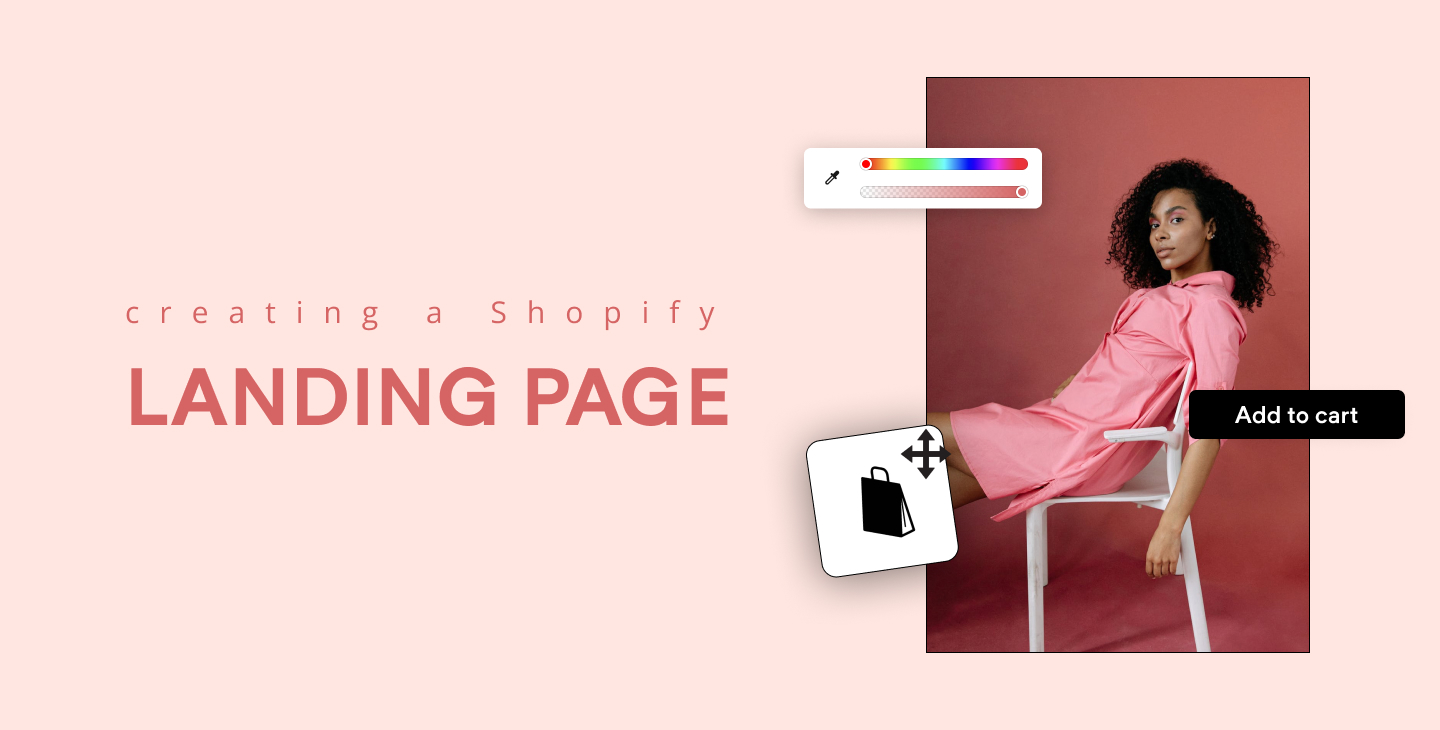
Shopify landing pages aiding sales
What is a Shopify landing page? Let’s delve into the basics. A landing page is where visitors “land” after clicking through from an ad, social media post, web link, QR code, etc. Shopify, a widely known platform for establishing ecommerce stores, adds a layer of effectiveness to this concept. Combine the two, and you get Shopify landing pages – a potent tool for driving sales and increasing revenue. Consider a Shopify landing page as the digital equivalent of a dazzling storefront window, strategically designed within your Shopify store with a clear objective, whether it’s selling a product, promoting a deal, or swiftly collecting email addresses. How does a product page differ from a landing page? Both play crucial roles in a customer’s ecommerce journey, yet they serve distinct purposes. A product page functions as an informational hub, akin to an instruction manual, providing details about the product, such as features, benefits, specs, images, videos, and perhaps even a PDF of the actual instruction manual. On the other hand, a landing page offers a simplified, direct experience, focusing on nudging the visitor toward a single action. Various types of Shopify landing pages cater to different stages of the customer’s journey: Splash Landing Pages: Like cheerful greeters at a gala, these pages are the initial contact point for visitors, often used for announcements, age verifications, or special promotions.Product Launch Pages: Comparable to a red carpet event for your product, these pages spotlight your latest offerings, creating anticipation and generating excitement.Lead Generation Pages: These pages facilitate a give-and-take, offering irresistible incentives like exclusive ebooks or discount codes in exchange for contact details.Promotional Pages: Tailored for highlighting special sales events, these pages act as party planners, showcasing the best deals, limited-time offers, and must-have products.Sales Landing Pages: Direct and focused, these pages function like a top salesperson, guiding visitors through every element to seal the deal.Targeted Campaign Pages: Crafted for specific audiences or marketing campaigns, these pages resonate with particular groups, making them feel uniquely addressed. Why use landing pages for Shopify? While some companies redirect traffic from paid campaigns directly to product pages, utilizing landing pages proves more effective in priming visitors for purchase. Sending traffic to a dedicated landing page before the online store offers benefits such as: Specific Targeting: Landing pages allow for precise targeting, tailoring the experience to the needs of a specific audience and encouraging specific actions.Higher Conversion Rates: Through testing and optimization, landing pages can achieve higher conversion rates by fine-tuning messaging and design elements.Customized Brand Experience: Unlike pre-packaged product pages, landing pages provide a customized brand experience, setting businesses apart and offering meaningful details.Efficient in Time and Cost: Landing pages can be built and launched with less time and money compared to custom-built product pages, especially when last-minute changes are necessary.Smooth Customer Journey: Landing pages create a seamless customer journey, aligning with the messaging that initially attracted visitors, enhancing the chances of conversions.Focused Purchase Journey: With fewer distractions than product pages, landing pages maintain focus on driving conversions, reducing bounce rates, and ultimately increasing sales.

Ravi Modi and the story of Manyavar
Within the confines of Kolkata’s AC Market, Ravi Modi’s father operated a modest 140 sq ft store, dealing in T-shirts and trousers but lacking traditional Indian wear. At the age of 19, Ravi sought to address this gap.Ravi successfully sold 80 out of 100 sourced kurta-pyjama sets within a week, gaining his father’s approval to initiate a company. With a Rs 10,000 seed capital from his mother, Manyavar was established in 2002.The concept was straightforward: introduce Indian Ethnic Wear to mainstream apparel beyond just wedding attire. Ravi diversified the offerings from kurta-pyjamas to sherwanis, and the brand gained traction. Despite external skepticism, Ravi reinvested all earnings to build a robust supply chain over the next five years.In 2008, Manyavar Sherwani opened its first exclusive outlet in Bhubaneswar and intensified its marketing efforts. In 2014, the brand made a mark by becoming one of the first to advertise during movie theatre intervals.By 2016, Manyavar achieved a revenue of 500 CR without any external funding and minimal debt. Western brands took notice, prompting Vedant to sign Virat Kohli as the brand ambassador, marking a significant milestone.As Manyavar became mainstream, with a presence in 400 outlets across 173 cities and a profit of 139 CR, Ravi recognized the need to cater to women. In 2016, he launched Mohey, a collection of women’s ethnic lehengas. Anushka Sharma, set to marry Virat Kohli, became Mohey’s ambassador.Together, Virat Kohli and Anushka Sharma featured in marriage ads, establishing Manyavar as the go-to brand for wedding attire. The brand reached revenues of 1000 CR, outperforming major competitors and attracting PE firm Kedara Capital to acquire a 10% stake at a valuation of 4500 CR.With funding, Manyavar Sherwani expanded rapidly to over 600 stores in India and 11 globally, achieving a revenue of 6000 CR. In 2022, Ravi raised 944 CR from 75 anchor investors to take the company public, marking a historic moment for the Ethnic wear category. Today, Manyavar operates in over 240 cities in India and five countries globally, closing the previous year with a valuation of 26,000 CR. Ravi Modi’s journey, from aspiring to drive a Mercedes in 2002 to steering the entire Indian ethnic dress category, exemplifies his remarkable success over 15 years.

Lead generation landing page best practices
Here are some tips on creating lead generation landing pages that’ll open the floodgates and have you swimming in leads. Offer some value You know how some restaurants give you a piece of candy when they bring you the bill? That’s because of a scientifically proven principle of reciprocity—if you give someone a gift, even a small one, they’re more likely to be generous in return. For restaurants, that takes the form of a larger tip. When it comes to lead capture landing pages, providing the equivalent of digital “candy” can turn into an increased likelihood that visitors will provide their contact info. Provide your visitor with something that gives them value, such as a free ebook, webinar, white paper, newsletter, or trial period, and they’ll be more inclined to return the favor. Use persuasive copy Attention-grabbing headlines; short, descriptive paragraphs; easy-to-read bullets; clear, enticing calls to action—all of these copy elements can go a long way towards convincing your visitor that yeah, they like what they’re reading and they’re willing to fork over their details to learn more. Design matters The design of your page can be a huge factor in gently nudging visitors to fill out the contact form. Whether they realize it or not, the landing page’s design is the first aspect of the page that sinks into their brain, and if the design is messy, cluttered, or frustrating, they’ll just bounce. If you don’t have the eye of a designer, don’t fret—we’ve got plenty of awesome lead generation landing page templates that you can adopt as your own. One thing to look for in a good page design: Keep most of the essential info “above the fold,” which basically means the top section of the page that can be seen without scrolling. This pretty much guarantees that the visitor will see what you want them to see. Only ask for what’s essential Don’t get greedy and start asking page visitors for details that aren’t necessary, like their annual marketing budget, five-year marketing plan, and favorite TV show (although that last one could lead to some fun chats). If your page has a form, make sure the form only asks for the truly crucial details that you need to keep the conversation going so it doesn’t feel too pushy. Plus, it wouldn’t hurt to include a detail or two about your privacy policy so your visitor can feel assured that you’re not going to misuse their data. Just one goal per page While we’re on the topic of simplicity, a good rule of thumb for lead capture landing pages—heck, for pretty much any landing page—is to make sure it focuses on only one offer and one desired action. You might be tempted to cram a bunch of offers onto the page, but don’t do it! You’ll just end up complicating the page and reducing conversions. This best practice also applies to adding links that lead to other pages on your website. Strip all of those away so you can eliminate distractions and encourage the visitor to only think about the one thing you want ‘em to do. And to be clear, it is okay to include multiple CTAs throughout a single page—just make sure they all point towards the same destination. Be mobile friendly Since the majority of internet users access the web through their phones, it’s best to format your lead generation landing page so it looks nice and spiffy when opened on a smartphone. After all, you’re trying to encourage visitors to give you their email, and that’s far less likely if they open a page that looks like hot garbage on their smaller screen. Message match The best lead generation landing page experience starts even before the visitor lands on the page. They came to this page by clicking on a link from somewhere else (like an email or ad), so make sure the messaging is consistent across the entire journey. If your ad is offering info about cat-shaped cookies, then your landing page better serve up details about those aforementioned (and adorable) feline-formed treats. Social proof How do you build trust? It’s not easy, especially when you’re talking to complete strangers who have landed on your page, but one way to increase trustworthiness is with social proof. An endorsement from a reputable brand or a testimonial from a previous customer provides a trust signal and helps create the impression that you’ve got something really good to offer.
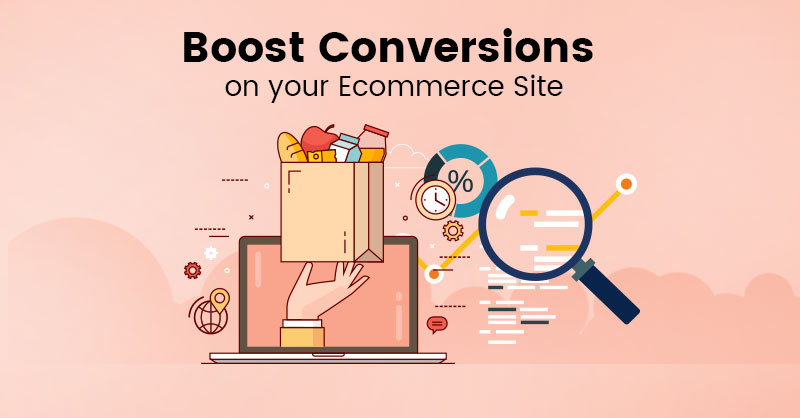
Tips for Mastering ecommerce conversion rate optimization
Certainly! Here’s a rephrased version: Ever considered the possibility of achieving positive shifts in your metrics without escalating your marketing budget? Imagine reaching your conversion benchmarks without constantly struggling to drive more traffic. Even better, picture transforming from the marketer always seeking additional ad spend into a savvy digital strategist, adept at extracting more ROI from fewer dollars. Amidst the plethora of information online about conversion rate optimization (CRO), skepticism is natural. However, CRO is a genuine and trustworthy ally in the realm of digital marketing when done right. Successful CRO for ecommerce simplifies the task of meeting conversion benchmarks by maximizing the conversion of existing traffic into paying customers. It’s the dream of every marketer, isn’t it? If you’re curious about incorporating CRO best practices into your strategy, you’re in the right place. This article delves deep into the ABCs of ecommerce conversion rate optimization, exploring its theoretical foundations and practical implementations. Let’s delve into it. What is Ecommerce Conversion Rate Optimization? Before exploring CRO best practices, it’s beneficial to grasp a few fundamental terms and concepts. Conversions:Every website has specific actions, known as conversions, that it desires its visitors to take. For ecommerce sites, the primary conversion is making a sale, but it can also encompass actions like adding items to a wishlist, placing items in a cart, signing up for newsletters, etc. Tracking and understanding conversions help identify effective and ineffective steps in the user journey. Conversion Rate Optimization (CRO):As the name suggests, CRO focuses on increasing the percentage of visitors completing desired actions, ultimately translating into a higher number of paying customers for ecommerce sites. It involves practices such as A/B testing, qualitative user testing, user journey mapping, and more, aiming to comprehend factors influencing customer actions. Calculating Conversion Rate:The formula for calculating conversion rates is straightforward: (Conversions / Visitors) x 100 = Conversion Rate. While simple, caution is necessary to ensure accurate comparisons, avoiding data skew caused by comparing different scenarios. Why is Ecommerce Conversion Rate Optimization Important? In ecommerce, where increasing sales is the ultimate goal, CRO offers a unique value proposition. Unlike strategies solely focused on driving more traffic, CRO concentrates on enhancing conversion rates for existing traffic, leading to increased sales without expanding the marketing budget. Additionally, successful CRO results in lower bounce rates, reduced cart abandonment, improved customer retention, enhanced trust, and a better understanding of customer needs. What is a Good Ecommerce Conversion Rate? Ecommerce conversion rates vary across industries, with a median of 5.2% globally. However, industry-specific benchmarks differ, and setting realistic and attainable goals tailored to the unique characteristics of each ecommerce store is crucial. How to Improve Ecommerce CRO? Improving conversion rates in ecommerce involves implementing various strategies, recognizing that there’s no one-size-fits-all solution. Some effective practices include creating streamlined landing pages, ensuring clear and uncluttered user experiences, incorporating trust signals and social proof, optimizing for mobile devices, simplifying the checkout process, and using concise messaging that resonates with customers. Remember, consistent improvements, even small ones, contribute significantly to long-term revenue gains. In conclusion, mastering ecommerce conversion rate optimization empowers marketers to elevate their digital strategies, fostering increased sales and customer satisfaction.
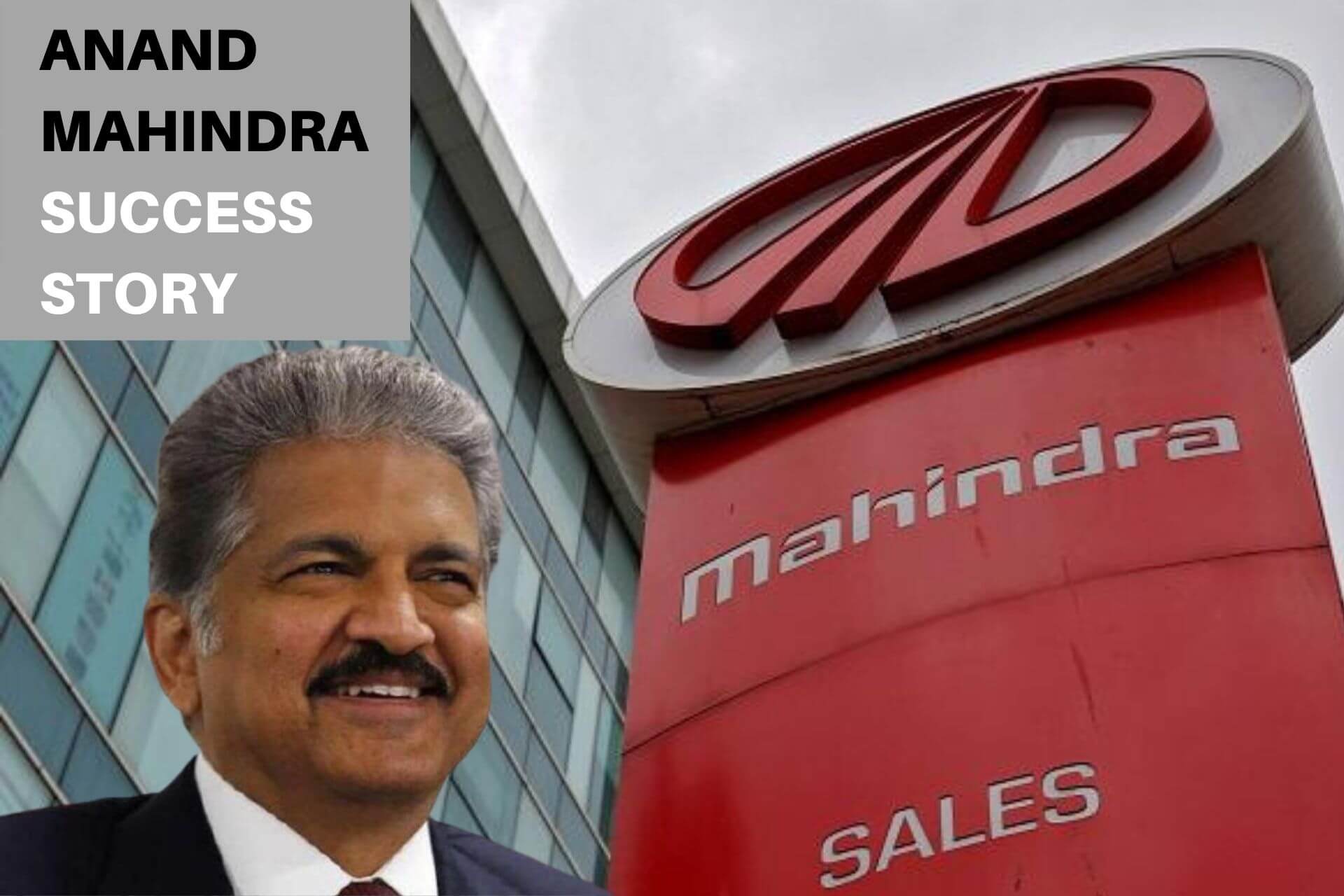
The success story of Anand Mahindra
Anand Mahindra serves as the Chairman and Managing Director of the Mahindra Group, a leading conglomerate in India operating across diverse sectors. Known for his tireless work ethic and commitment to technological advancements in business, Mahindra oversees various domains, including aerospace, agribusiness, automotive, construction equipment, defense, energy, finance, information technology, real estate, and more. With over 60 years of existence, the Mahindra Group stands as one of the country’s prominent companies, employing over 100,000 individuals. Personal Life:Anand Mahindra was born on May 1, 1955, in Mumbai, India, to Harish and Indira Mahindra. He completed his schooling at Lawrence School, Lovedale, and pursued Film-Making and Architecture at Harvard University. Later, he obtained an MBA from Harvard Business School in 1981. Anand Mahindra is married to Anuradha, a journalist and editor of magazines like Verve and Man’s World. The couple has two daughters, Divya and Aalika. Career:Anand Mahindra’s professional journey commenced at Mahindra Ugine Steel Company in 1981. He rapidly progressed through the ranks and assumed roles such as President and Deputy Managing Director of MUSCO in 1989. Expanding Mahindra Group into diverse sectors like hospitality management and real estate, he became the Deputy Managing Director of Mahindra and Mahindra Ltd. in April 1991. Recognized for his understanding of customer needs, Mahindra took on the roles of Managing Director in 1997 and Vice Chairman in 2001. In August 2012, he assumed the position of Chairman and Managing Director, succeeding his uncle Keshub Mahindra. Under his leadership, Mahindra Group has evolved into one of the top 10 business conglomerates in India, boasting a fortune of USD 19 billion. Beyond Mahindra Group:Anand Mahindra extends his influence beyond Mahindra Group. He joined the advisory council of Singapore’s Economic Development Board in 2011 and became a member of the US–India Business Council (USIBC) Board in 2014. An enthusiast of sports, he, along with his brother-in-law Charu Sharma, launched the Pro Kabaddi League in India in 2014. Mahindra also played a role in conceptualizing the TV channel “Epic” in 2014. Known for his contributions to co-curricular activities, Anand Mahindra actively participates in sports like tennis and sailing. He played a pivotal role in establishing the Mahindra Blues Festival in Mumbai in 2011. His insights into business are frequently shared through writings in various magazines. Charities by Anand Mahindra:Anand Mahindra actively supports the study of humanities and donated $10 million to the Humanities Center of Harvard University. In the realm of education, he founded the Nanhi Kali project, focusing on providing primary education to underprivileged girls in India. Additionally, he serves on the board of directors for the Naandi Foundation, contributing to the socio-economic development of India. Awards Presented to Anand Mahindra:Anand Mahindra’s leadership at Mahindra Group earned him several prestigious awards, including the Rajiv Gandhi Award, ‘Knight of the Order of Merit’ by the President of France, Leadership Award by American India Foundation, Global Leadership Award by US Indian Business Council, and Forbes India Leadership Awards for Entrepreneur of the Year and Business Today CEO of the Year. About Mahindra Group:Founded on October 2, 1945, in Ludhiana, Mahindra Group has evolved into a renowned conglomerate with a significant presence in various business sectors. Originally named Muhammad and Mahindra Group, it emerged from the collaboration of the Mahindra brothers and Malik Ghulam Muhammad. Commencing with steel manufacturing, the group now boasts a fortune exceeding 11 billion US dollars, emphasizing its commitment to delivering top-notch products and services while contributing to societal well-being.
Content marketing and your digital marketing strategy
A strategy serves as a formulated plan of action aimed at achieving a long-term or overarching objective. Conversely, a digital marketing strategy entails executing planned online activities to fulfill specific business goals. In simpler terms, it involves executing planned actions at opportune moments through appropriate online channels to boost revenue and foster relationships. Our focus in this discussion revolves around Content Marketing. What necessitates the adoption of content marketing? Content Marketing, in essence, refers to a marketing approach that involves crafting and sharing online content not only to endorse a brand but also to entice the audience to explore the brand’s website. Utilizing storytelling and information sharing enhances brand awareness. The primary aim is to guide readers towards taking actions conducive to becoming customers, such as requesting more information, signing up, or making a purchase. Content marketing primarily revolves around offering consumer benefits rather than solely promoting a brand. This can include diverse forms like blog posts, white papers, digital books, podcasts, and digital videos. Through content marketing, establishing a sustainable relationship with clients is possible, potentially resulting in numerous sales over time. Here are five compelling reasons to incorporate content marketing into your digital marketing strategy: Fuel for Business Growth: Content on your website provides reasons for people to visit, learn, and eventually become customers. Without content, attracting visitors to your site is challenging.Foundation of Digital Marketing Campaigns: A robust content strategy is vital for launching successful digital marketing campaigns. Content is integral to SEO, PPC, social media sharing, and overall online reputation enhancement.Informing Audiences: Well-crafted content informs your audience about your business, addresses their fundamental questions, and aids them in making informed buying decisions.Conversion Catalyst: Quality content serves as a catalyst for conversions, moving visitors towards becoming customers. Conversions are essential for business growth.Engagement in Social Media: Engaging content encourages social media traction. Repurposing content for social sharing builds a direct line to customers, fostering authentic relationships and gaining valuable input for refining marketing strategies.Brand Reflection: The content you create reflects your brand’s prowess and expertise. Utilizing diverse channels like blogs, videos, podcasts, and whitepapers enhances brand recognition and positions your organization as a leader in the field, catering to various audience preferences.

The fundamentals of marketing to millennial women
Each year, India witnesses the addition of more women to the internet than any other country, as indicated by a recent study conducted by Comscore. The study further highlights the increasing influence of millennial women in driving online retail and OTT consumption, with approximately 90% of women aged 15-24 actively engaging with mobile retail websites. Given this trend, are brands adequately prepared to capitalize on this opportunity to enhance their engagement with women on the internet? If so, how can they consider the distinct needs and aspirations of millennial women, which differ significantly from those of previous generations? Should marketers break free from certain stereotypes and adopt new communication methods? The crucial question is: What language should marketers use to ensure that millennial women not only feel understood but also satisfied?

Why ChatGPT and AI are taking over the cold call
Clara Shih, CEO of Salesforce’s Service Cloud business, highlighted the transformative impact of generative artificial intelligence tools like ChatGPT on corporate communication. According to Shih, these tools are positively influencing how companies and sales professionals interact with customers. Shih emphasized that the implementation of generative AI allows salespeople to delegate routine tasks, such as drafting sales emails, enabling them to concentrate on more meaningful customer interactions and problem-solving. In a recent interview on CNBC’s “Squawk Box,” Shih drew a distinction between the application of generative AI for general users and its specific benefits for business clients and enterprise users. She clarified that the focus is on practical applications, such as creating personalized emails for sales, generating responses for customer service, and automatically producing code for developers. Salesforce recently launched Einstein GPT, which utilizes OpenAI’s advanced AI models, marking a significant step in bringing generative AI technology to customer relationship management (CRM). Shih emphasized that the goal is to deliver enterprise-grade generative AI to clients of all sizes, emphasizing a commitment to tangible business outcomes. The announcement follows the trend in the tech industry, with various companies introducing their own generative AI-driven tools. Microsoft, for instance, plans to integrate AI into its CRM and ERP applications to compete with Salesforce. Google has introduced Bard, a ChatGPT competitor, while Meta and Snap are also exploring generative AI applications for their platforms. Salesforce’s proactive approach includes launching a ChatGPT app for Slack, designed to assist in message composition and conversation summaries. Additionally, Salesforce Ventures has established a $250 million generative AI fund to support innovative developments in this field.

The story of Mr.Vasanth, founder of Vasanth & Co.
In the dynamic realm of the retail revolution, Mr. Vasanthakumar emerged as a trailblazer, celebrated for his innovative business concepts and entrepreneurial acumen. As the visionary founder of Vasanth & Co, a prominent consumer durables firm, his story is a compelling narrative of persistence and triumph. Origin of Ambition: Mr. Vasanthakumar’s entrepreneurial journey began with a modest Rs 8,000 loan and a Rs 22 donation, symbolizing humble beginnings. From this unassuming start, he orchestrated the development of a formidable Rs 10 billion retail empire, showcasing his unwavering determination and resourcefulness. Visionary Creativity: Recognized for turning aspirations into reality, Mr. Vasanthakumar pioneered the idea of fulfilling middle-class dreams through installment plans. His business philosophy, centered on delivering unparalleled service to customers, became the foundation of Vasanth & Co’s rise to prominence. This visionary approach not only ensured customer satisfaction but also propelled the company to remarkable success. A Fabric of Trust: The enduring success of Vasanth & Co, founded in 1978 under Mr. Vasanthakumar’s leadership, reflects a profound legacy of customer loyalty. Throughout the years, the company cultivated unwavering trust and devotion from its customer base, weaving a tapestry of loyalty that remains unparalleled. Tragic Conclusion: The poignant chapter in Mr. Vasanthakumar’s entrepreneurial journey tragically ended with his succumbing to COVID-19. In a somber milestone, he became the first sitting MP in the country to lose his life to the virus.