

The “Healthy Planet Productions” initiative by Mars Inc. introduces a campaign that repurposes well-known advertisements for M&Ms, Twix, and Ben’s Original with fresh messages highlighting the company’s advancements in climate action. By incorporating voiceovers and straightforward animations into existing ads, the campaign aims to reduce its environmental impact, as outlined in a press release. Originally created for Mars brands such as M&Ms, Twix, and Ben’s Original, the revamped advertisements are set to be featured in the U.S., U.K., and Mexico across Meta platforms and YouTube, with additional out-of-home activations in selected markets. Aligned with the Net Zero Roadmap released by Mars in September, the “Healthy Planet Productions” campaign responds to survey data indicating that 69% of adults prioritize businesses addressing climate change on par with or more than economic issues. Described as a groundbreaking digital and out-of-home initiative for the company, the campaign serves to enhance consumer awareness regarding climate action while showcasing Mars’ commitment to its net-zero roadmap, including collaborations with farmers for forest protection and the sourcing of renewable electricity, according to Andrew Clarke, global president of Mars Wrigley. The innovative approach involves repurposing existing ads, thereby minimizing emissions associated with travel, filming, and set production. The ads feature new voiceovers and employ simple 2D animation, which is less emission-intensive compared to other techniques. “Healthy Planet Productions” will spotlight different brands in various countries, emphasizing Mars’ eco-friendly practices. For example, a Twix ad now highlights Mars’ use of over 50% renewable electricity, including wind power, while an M&Ms ad focuses on the company’s emission reduction plans. The campaign’s strategy is based on an Ipsos survey commissioned by Mars, revealing that 69% of adults believe companies should prioritize climate change over economic challenges. This approach underscores the resonance of environmentally focused marketing with consumers, despite potential backlash against other purpose-driven initiatives. Mars’ Net Zero Roadmap, unveiled in September, involves a $1 billion investment over the next three years to drive climate action across multiple fronts, showcasing the company’s commitment to sustainability amid a broader industry shift.

AI Content Generation Tools Every Marketer Should Be Aware Of
Every year, we witness a recurring narrative – the proclamation that email marketing has met its demise, B2B cold calling is ineffective, and content marketing is no longer impactful. However, the reality is that none of these marketing strategies have become extinct; on the contrary, they remain integral and are here to stay. With the advent and rapid expansion of AI marketing and content generator tools, content marketing has evolved into an even more competitive arena. Equipped with the right AI content generator tool, you can refine your content briefs, prepare questions for customer interviews, eliminate any content-related challenges, and, of course, overcome writer’s block. The once prevalent notion of “AI content tools replacing human writers” is gradually fading away, revealing that while AI marketing tools cannot supplant genuine marketers and writers, they can enhance efficiency in content creation. Numerous AI content generators are currently available in the market, all vying to alleviate the burden of tedious writing tasks and enhance the efficiency of your role. However, not every tool possesses the qualities necessary to become your ally in the strategic content marketing game. So, what exactly are AI content generators? These platforms utilize artificial intelligence algorithms to generate written content based on written prompts. Leveraging natural language processing (NLP) and machine learning techniques, these tools produce content that mimics human language for human readers. AI content generators are versatile, capable of creating various content types, including articles, blog posts, social media content, marketing copy, product descriptions, and more. Their purpose is to aid content creators, marketers, and businesses in streamlining the content production process, saving time and effort while ensuring the development of high-quality, engaging, and relevant content. For social media marketers, AI content creation tools are invaluable, generating numerous short-form copies within seconds. They can create multiple headlines, extract quotes for graphics, and compose copy for social media posts. As for content writers and copywriters, the debate surrounding AI-driven content creation tools replacing human counterparts is misguided. Instead, these tools empower content creators to save time on ideation and drafting, data analysis, and identifying trends in content that yield optimal results. The time saved can then be redirected towards more strategic aspects of their roles, optimizing the overall efficiency of the content production process.
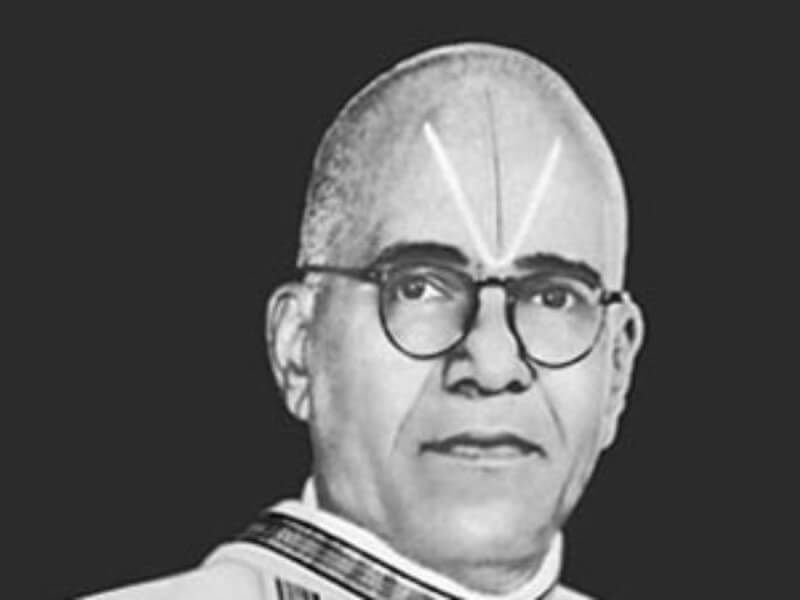
The legacy of TV Sundaram Iyengar
The Enduring Impact of Mr. T. V. Sundaram Iyengar Born in Thirunelveli in 1877, Mr. Thirukkurungudi Vengaram Sundram Iyengar made an indelible mark on the Indian business scene. As a forward-thinking entrepreneur, he established the T.V. Sundaram Iyengar and Sons Group of Companies in 1911, commencing his entrepreneurial journey in the transportation sector. Under his adept leadership, the company underwent substantial evolution. In a pivotal year for the company in 1923, T.V. Sundaram Iyengar became a sub-dealer for Chevrolet, leading to the formation of “TV Sundaram Iyengar and Sons.” Noteworthy in his approach was a profound commitment to socialist values, shaping business practices that went beyond mere profit-making. This commitment laid the foundation for a legacy that harmonized commerce with a deep social conscience. The trajectory of success continued, reaching a milestone in 1929 when T.V. Sundaram Iyengar established a direct partnership with Chevrolet, solidifying the company’s position in the automotive industry. Beyond the realm of business, Mr. T. V. Sundaram Iyengar’s influence extended into the automotive sector. His visionary leadership set the stage for the creation of TVS Mobility, a conglomerate encompassing diverse businesses today. Mr. T. V. Sundaram Iyengar’s contributions persist in shaping the automotive landscape, a testament to his visionary leadership and dedication to societal well-being.
How xNARA Achieved Success in Pay-For-Performance Marketing
Under the strategic guidance of Managing Director Steve Tan, responsible for overseeing influencer marketing activities, xNARA has not only strengthened its presence but has also redefined the dynamics of influencer collaborations, emphasizing mutual benefit and accountability. At the core of xNARA’s program is its distinctive pay-for-performance model, ensuring influencers receive compensation based on the performance of their content. This commitment is clearly outlined in comprehensive agreements, fostering transparency and establishing explicit expectations for all involved parties. Influencers understand that their compensation directly correlates with the effectiveness of their content, creating a symbiotic relationship where success is shared. Steve Tan explains the innovative nature of this approach, stating, “Our pay-for-performance model revolutionizes influencer marketing. It aligns incentives, ensuring both xNARA and our influencers are invested in the success of each campaign. This not only democratizes marketing but also enhances accountability, establishing a sustainable foundation for long-term partnerships rather than short-term, one-sided engagements.” This alignment of interests has elevated xNARA’s influencer collaborations beyond mere endorsements, transforming influencers into genuine partners actively contributing to campaign success. The clarity provided by the pay-for-performance structure ensures that both parties recognize the importance of delivering content that resonates with the audience and yields tangible results. Influencers expressed satisfaction with the fairness of the compensation system, recognizing its motivational impact on creating high-quality, engaging content that genuinely connects with their audience. Influencers, including Mahira Abdelaziz with 3 million Instagram followers, Safa Siddiqui with over 700k followers, and celebrities like Maheep Kapoor with 827K followers, lauded xNARA as ‘great’ and ‘trustworthy,’ expressing pride in their collaboration. While a small percentage of influencers mentioned the ambiguity of performance metrics, causing dissatisfaction, xNARA’s approach fosters creativity and ensures authenticity and impact in marketing efforts. The democratization of marketing through xNARA’s pay-for-performance model has broader implications for the industry. Moving away from traditional payment structures, the brand empowers influencers of varying sizes, allowing participation in campaigns based on merit rather than follower count. This inclusivity has resulted in a diverse pool of influencers collaborating with xNARA, bringing unique perspectives and audiences to the brand.

Retail Poised for Wedding-Related Surge
The return of the Indian wedding season is anticipated to drive increased demand across various sectors, according to a report by Vaishali Dar for Financial Express. DLF Retail has kicked off ‘The Wedding Tales,’ an annual festival showcasing brands in fashion, makeup, accessories, jewelry, and footwear. Landcraft Retail, which introduced the ‘Food Square’ gourmet store in Mumbai in September, is experiencing strong demand for imported beverages, chocolates, and Indian sweets. Joyalukkas, a jewelry brand, expects a 20-30% surge in sales this year, attributed to a decline in gold prices, notes the report, quoting Joy Alukkas, CMD of the company. The shift towards greater individuality and independent choices by brides and grooms is a significant factor fueling the industry’s growth. Fashion designer Manish Malhotra also emphasizes that modern weddings, prioritizing personal significance over traditions, contribute to innovation and the expansion of the wedding industry. The report cites the Confederation of All India Traders, stating that nearly 3.5 million weddings are expected in the next month, generating revenue exceeding ₹4.25 trillion.

How GenAI impacts marketing
A recent report from The Economic Times highlights a seismic shift in the marketing landscape, thanks to the advent of Generative AI. As someone deeply immersed in this field, I’m excited to share how this technology isn’t just enhancing efficiency but is fundamentally altering how we connect with audiences. Data-Backed Insights on Generative AI in Marketing:1. Personalization at Scale: With AI, we can now analyze vast datasets to understand consumer behavior like never before. According to a Salesforce report, 52% of consumers expect offers to always be personalized — a feat made easier with AI.2. Content Creation Revolution: Gartner predicts that by 2025, AI will be responsible for 20% of all content produced. This means more dynamic, relevant, and engaging content tailored to specific audience segments.3. Predictive Analytics: McKinsey & Company reports that companies using AI for customer segmentation see a 10-15% increase in revenue. Generative AI can predict customer needs and behaviors, leading to more targeted marketing strategies. Impact on the Marketing Landscape:- Enhanced Creativity: AI tools can generate creative ideas, freeing marketers to focus on strategy and storytelling.- Smarter Campaigns: With AI, campaigns can be constantly optimized in real-time, leading to higher ROI.- Deeper Audience Insights: Generative AI can process complex data sets, offering deeper insights into consumer preferences and trends.- Streamlined Operations: Automation of routine tasks allows marketing teams to focus on more impactful initiatives. The Future is Here: As marketers, we’re on the cusp of a revolution. Generative AI is not just a tool; it’s a collaborator that enhances our creativity, deepens our understanding of consumers, and drives unprecedented growth.
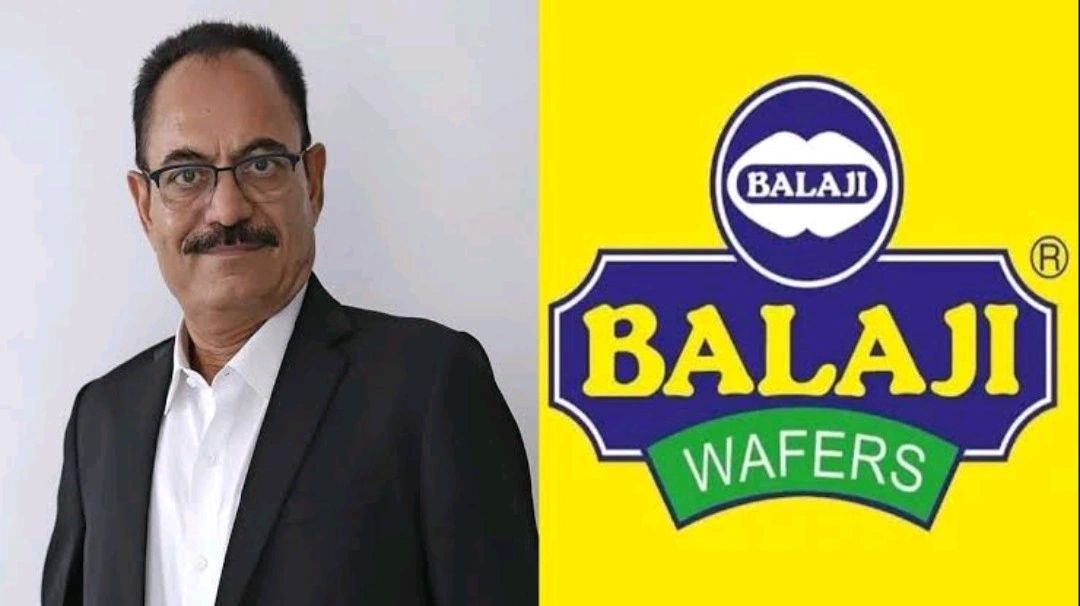
Chandubhai Virani’s inspiring journey is a captivating narrative.
Meet the individual who stood resolute against selling his chips company to Pepsi for 4000 crores. Being an Indian farmer in 1972 was a formidable challenge, particularly in Gujarat, a state often plagued by erratic rains and droughts. Facing financial difficulties, Chandubhai Virani received Rs 10,000 from the sale of his father’s farm. Chandubhai entered the business by selling refreshments at the renowned Astron cinema in Rajkot. Identifying sandwiches as a popular item, he faced the challenge of their perishable nature, leaving moviegoers with no snacks to take home. The breakthrough came when he introduced potato chips in the cinema, leading to the establishment of a small factory at his house with his father’s 10,000 rupees. The success of the chips grew, and Chandubhai expanded operations to two more canteens, with 30 merchants selling his chips outside theaters. As demand increased, he set up a larger factory. In 1989, Chandubhai borrowed 50 lakh rupees to establish Gujarat’s largest potato chips factory, emphasizing quality, technology, and hygiene. The business flourished, and a larger capacity factory producing 250 kg of potato chips per hour was opened. In 1995, inspired by the Hanuman temple behind the Astron cinema canteen, Balaji Wafers was born. Expanding into namkeens and other categories due to increasing demand, Balaji dominated the market by 2000 with a 90% share in chips and a 70% share in Namkeen. With over 100 distributors, 30,000 retailers, and a mega factory producing 1200 kg of chips per hour, Chandubhai aimed to expand beyond Gujarat. Balaji ventured into Madhya Pradesh, Maharashtra, and Rajasthan, introducing region-specific flavors and gaining fame in other states. Balaji’s success continued, becoming a 1000 crore company. Offering 25% more quantity at the same price as Uncle Chips and Lays, it caused Pepsi-owned Lays to lose 10% market share, admitting defeat. In 2013, despite a 4000 crore offer from Pepsi, Chandubhai, with larger aspirations, declined the deal. Today, Balaji Wafers boasts a 4000 crore annual revenue, with four nationwide factories processing 6.5 million kg of potatoes and 10 million kg of namkeen daily. From humble beginnings, Chandubhai Virani is now hailed as the “Sultan of Wafers.”
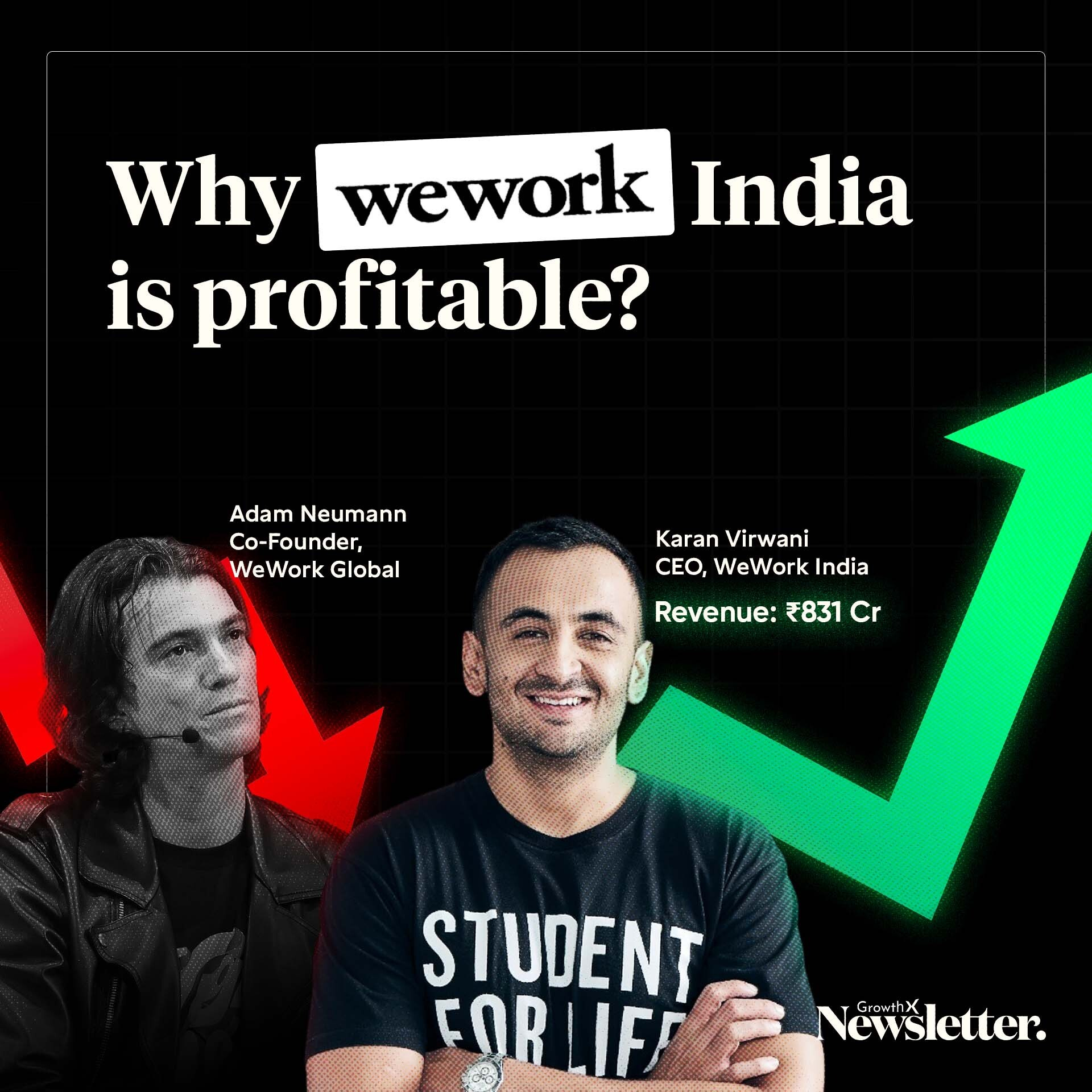
What factors contribute to the profitability of WeWork in India?
WeWork Global is initiating Chapter 11 bankruptcy proceedings in the United States. However, its Indian operations have been consistently profitable from the outset and remain unaffected. What strategic insights did the India division uncover that the global organization overlooked? In essence, WeWork operates as a real estate business with a straightforward model: lease commercial office buildings, enhance their aesthetics, rent out seats at a premium, and prioritize customer experience. The key to WeWork India’s profitability lies in its ability to secure commercial leases at a significantly lower cost per square foot than what it charges when renting seats to companies. The gap between the commercial lease cost (₹75 to ₹120 per sq. ft) and the seat sales (ranging from ₹8,000 to ₹20,000) contributes to its financial success. So, why did WeWork Global face bankruptcy? The global entity was positioned as a tech business with tech valuations, which, if evaluated as a real estate commercial lease arbitrage business, would be significantly less in value. WeWork Global’s downfall resulted from behaving like a tech business, attempting to demonstrate exponential revenue scaling through technology. This approach led to the establishment of office spaces in areas with insufficient demand for the ₹8,000 per-seat offering, making it challenging to cover the high leases paid to property owners. In contrast, WeWork India’s success can be attributed to several nuanced factors: 1. The market targeted by WeWork India is distinct, focusing on “flexible workspaces for growing businesses” rather than positioning itself solely as a co-working space. 2. Strategic pricing for short contracts encourages long-term commitments over ad-hoc bookings, contributing to revenue stability. 3. WeWork India deliberately targets large-scale customers, avoiding freelancers and small individual clients. 4. WeWork India acknowledged the limitations of its product-market fit (PMF) and intentionally concentrated its operations in metro cities, unlike WeWork Global, which struggled in Tier 2/3 US locations without admitting its business model’s failure.

The surge of insurtech in India.
According to a report by Mayur Shetty in The Economic Times, insurtech startups in India are experiencing significant growth, as indicated by a study conducted by ICICI Lombard and Nasscom. Since 2018, startups in this sector have secured $2.6 billion in funding, primarily directed towards raising awareness about insurance solutions, as outlined in the report. The Indian insuretech landscape predominantly targets the B2C market, with companies like Plum, Acko, Digit, and PolicyBazaar witnessing substantial growth. The report notes a shift in the industry, with traditional insurers, historically slow in adopting technology, increasingly engaging in collaborations amid the insurtech boom. Despite this progress, the industry faces certain challenges. Issues such as the online sharing of personal and financial data, the absence of human expert guidance, and the presence of inadequate or incorrect policy information online pose hurdles for the insurtech sector. Girish Nayak, Chief – Technology and Health (Underwriting and Claim) at ICICI Lombard, highlights the transformative role of technologies like artificial intelligence and machine learning in allowing insurance companies to customize services according to individual needs and enhance overall efficiency. Nayak envisions the future as centered around establishing enduring relationships with customers.

Embarking on Bold Aspirations – Sree Vidhya
In her early years, G. Sree Vidhya harbored dreams of becoming a police officer, aspiring to bring criminals to justice. Although she didn’t follow the direct and short path to donning a police uniform, her journey led her to the next best thing: overseeing security services, predominantly for corporate entities. The road to her current role was winding, involving diverse experiences from selling teakwood trees and interacting with dhoti-clad agents in Salem, Coimbatore, Trichy, and Madurai, to securing clients for a corporate hospital. This diverse background eventually led her back to her childhood dream. The inception of Dgroup Security Force can be traced back to her mentor, friend, and business associate Ravindra Padmanabhan in 1992, when they were initially involved in facility management services under the name Dialtone Hotline Services. However, tragedy struck in 2001 when Dr. Padmanabhan passed away in a road accident. In 2003, Sree Vidhya bought out the company and renamed it Ravindra Services Pvt. Ltd (RSPL), honoring the founder. Dgroup Security Force and Dialtone Hotline Services continue as brands under the RSPL Group, which also offers temporary staffing services. The RSPL Group, boasting over 3,000 employees and serving numerous corporate clients, has gained significant recognition. Sree Vidhya’s achievements include The Woman Entrepreneur Award of the Year in 2012 from ICICI and CNBC Network 18 TV’s Emerging India Awards. The success surrounding her is attributed to various factors, such as breaking into a predominantly male field by venturing into security services and overcoming personal challenges without letting them impact her professional trajectory. Looking back, Sree Vidhya views her early divorce and experiences as a single parent as blessings in disguise. These challenges not only prepared her for the journey ahead but also contributed to her resilience and success in the business world.